
Plan a Trip Around a Major World Event
Verified dates, realistic costs, where to stay, and full itineraries for major sports, cultural, and once-in-a-lifetime events — not just a date and a venue.
 Seasonal & Nature
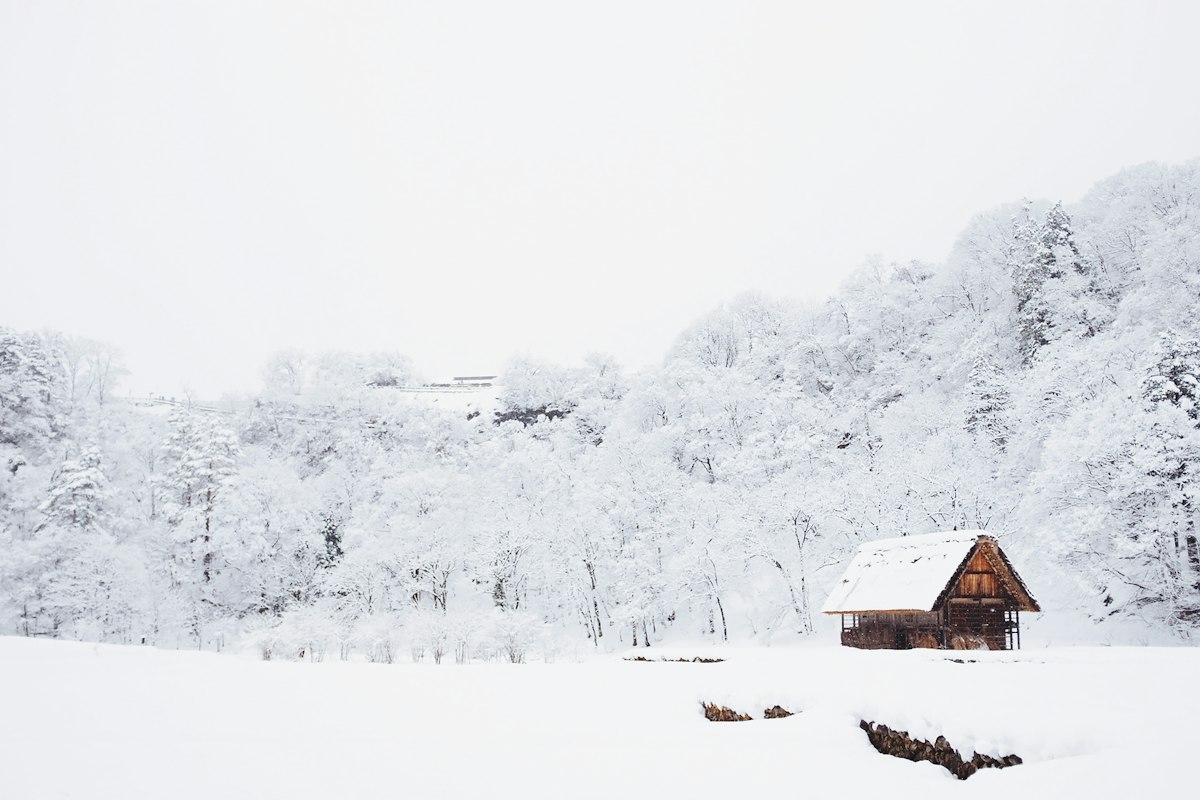
Sapporo Snow Festival 2027: Dates, Venues & How to Plan Your Trip
The 77th Sapporo Snow Festival runs February 4–11, 2027 at Odori Park and Susukino, with the family-focused Tsudome site on a shorter schedule. Dates, sites, what to see and how to book.
 Seasonal & Nature
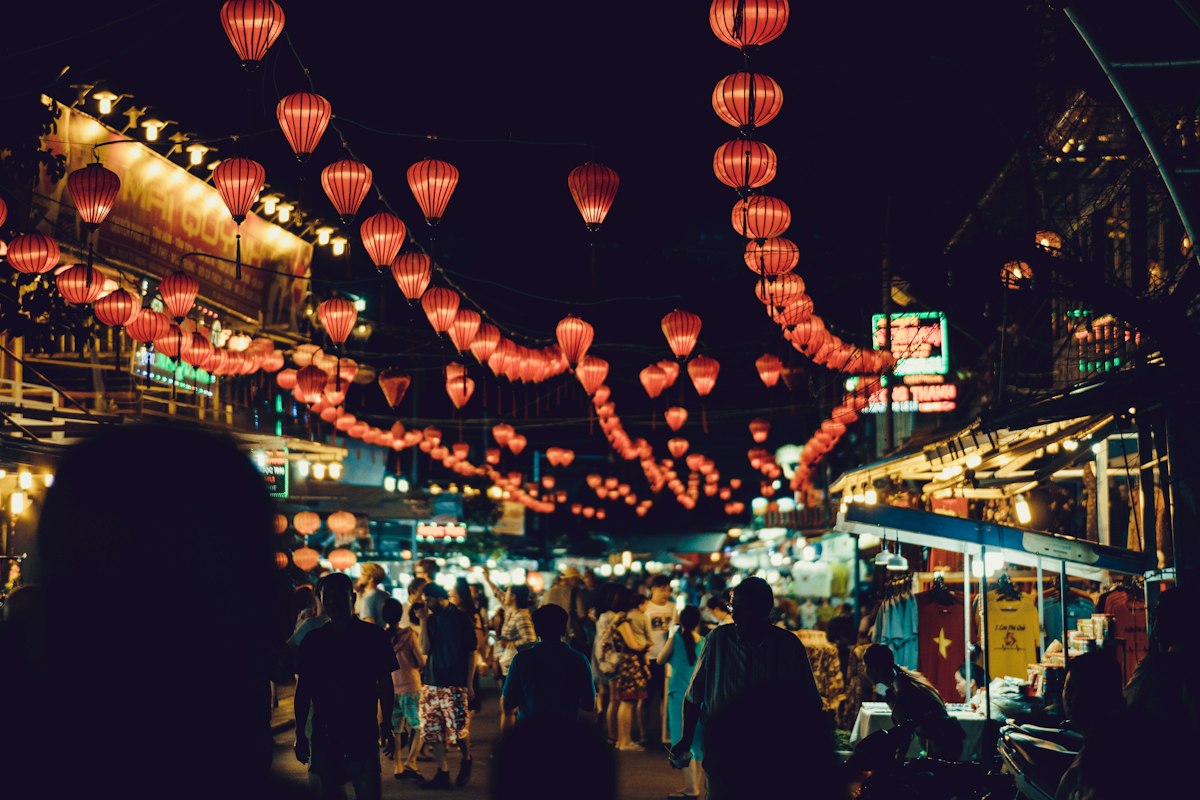
Tet 2027 in Vietnam: Travel Guide to the Lunar New Year
Vietnam's biggest holiday runs February 6–8, 2027. What actually stays open, what to expect on the streets, and how to plan a trip around the country's most important week.
 Seasonal & Nature
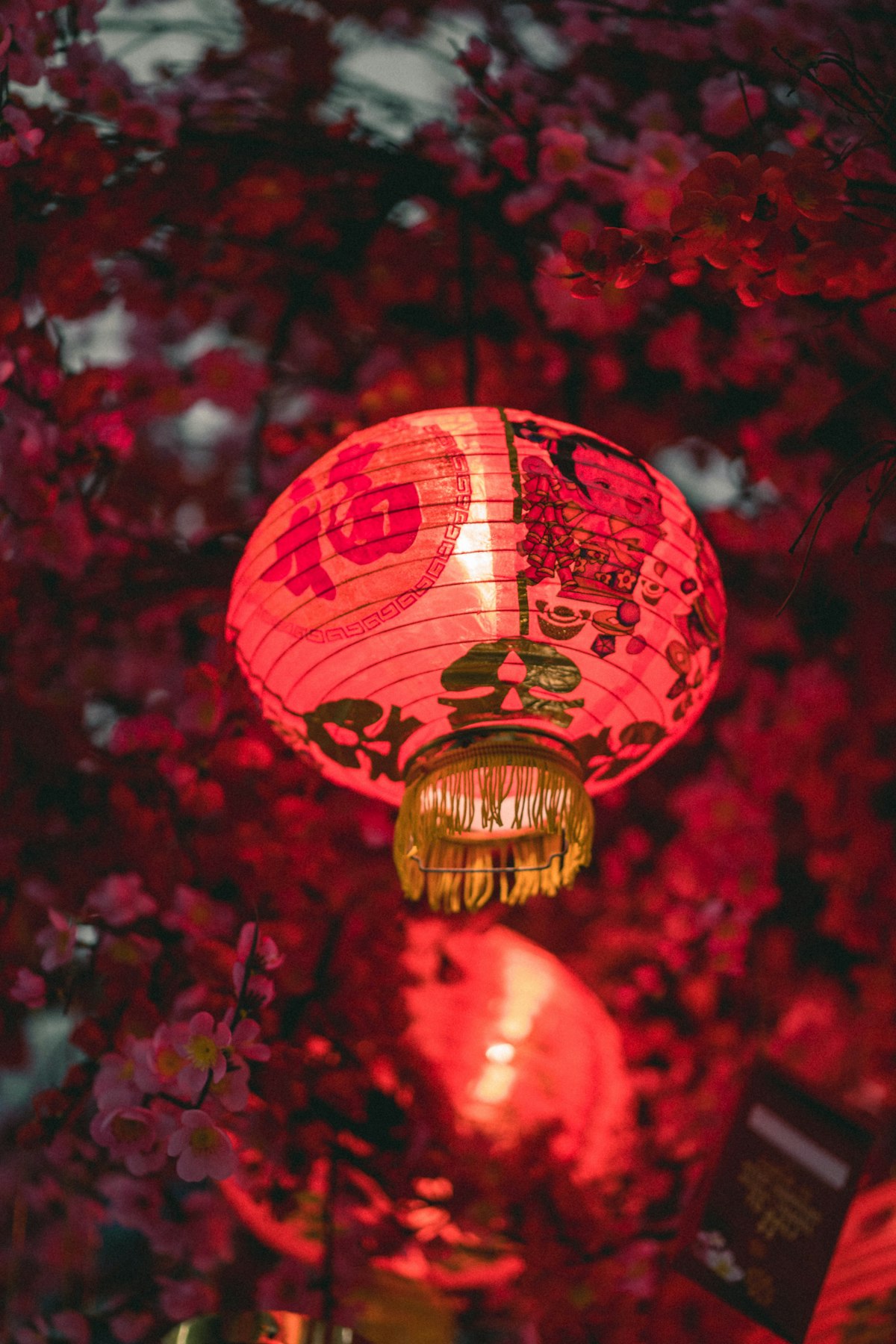
Chinese New Year 2027: Travel Guide to the Spring Festival
China's biggest holiday falls on February 6, 2027 (Year of the Fire Goat), with the wider Spring Festival period running through February 20. What travelers should know before visiting.
 Seasonal & Nature
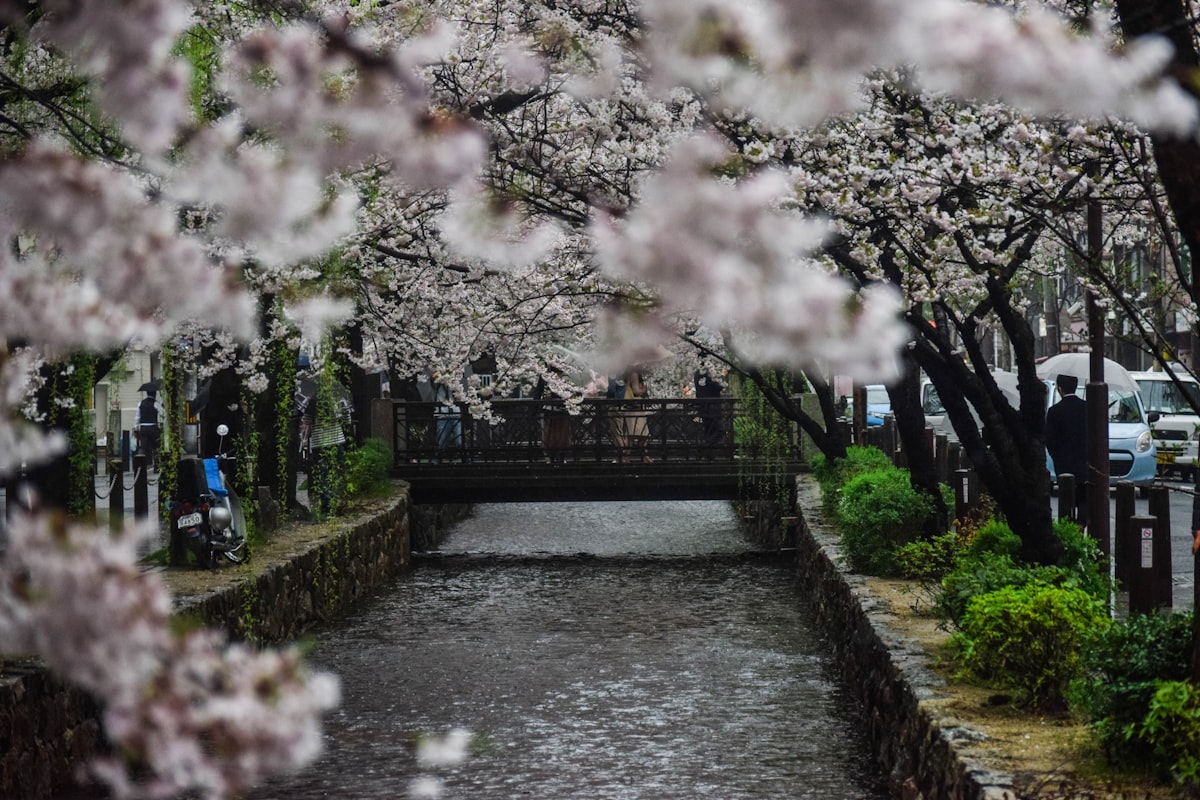
Japan Cherry Blossom 2027: Forecast, Timing & Where to Go
Sakura should peak around late March to early April 2027 in Tokyo and Kyoto. How the forecast works, why timing is a gamble, and how to plan around it.
 Seasonal & Nature
Midsummer 2027 in Sweden: Travel Guide to Midsommar
Sweden's most beloved holiday falls on June 25–26, 2027. What Midsommar actually involves, and how to experience it as a visitor.
 Seasonal & Nature
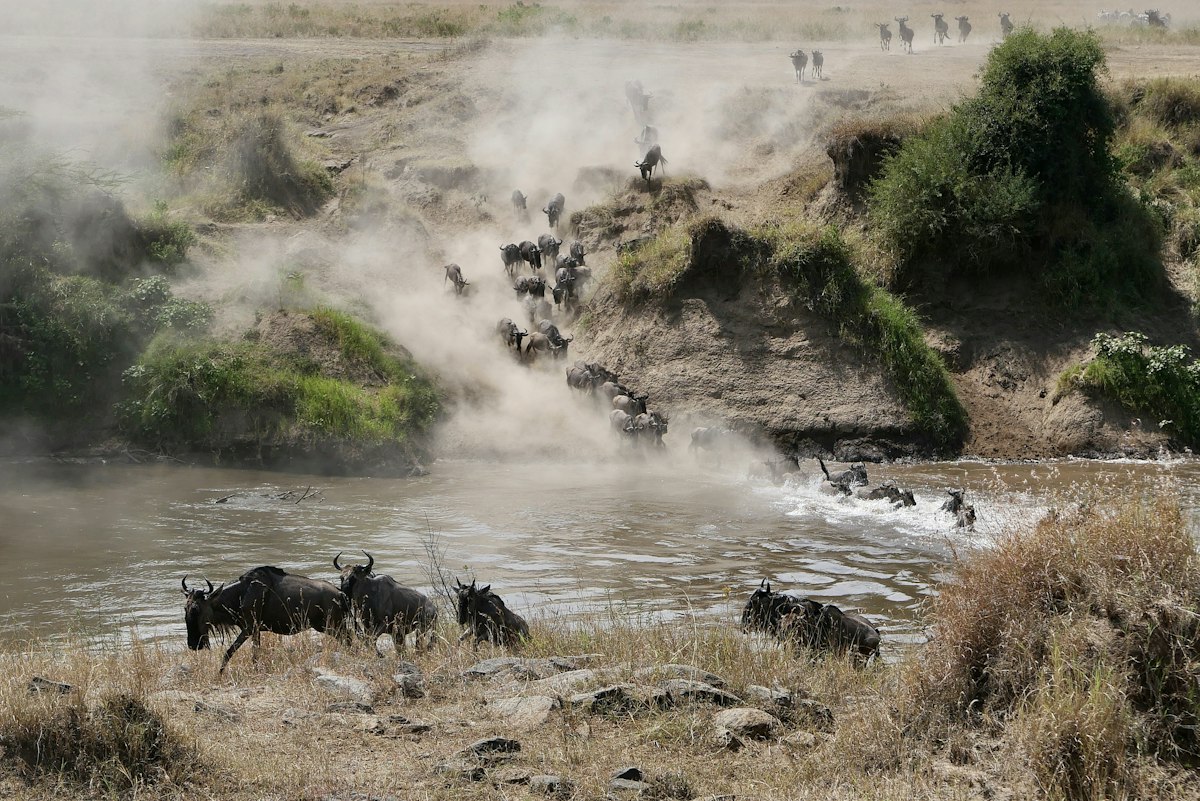
Great Migration 2027: River Crossing Season in the Masai Mara
The herds reach Kenya's Masai Mara between July and October 2027. When Mara River crossings are most likely, where to stay, and what nobody can promise.
Why Plan Around an Event, Not Just a Destination?
A calendar listing tells you what's happening and where. It doesn't tell you whether hotels near the venue are already sold out, what a realistic daily budget actually looks like once event-week price premiums kick in, or which neighborhood to base yourself in if you also want to see the destination beyond the event itself. That's the gap these guides are built to close — each one pairs verified event facts with the same trip-planning depth as a full destination guide.
Every guide states its verification status plainly — confirmed, partially confirmed, or expected based on a recurring pattern — along with the date it was last checked against official sources, because event details change and we'd rather flag uncertainty than present a guess as fact.