Plan a Trip Around a Major World Event
Verified dates, realistic costs, where to stay, and full itineraries for major sports, cultural, and once-in-a-lifetime events — not just a date and a venue.
 Religious
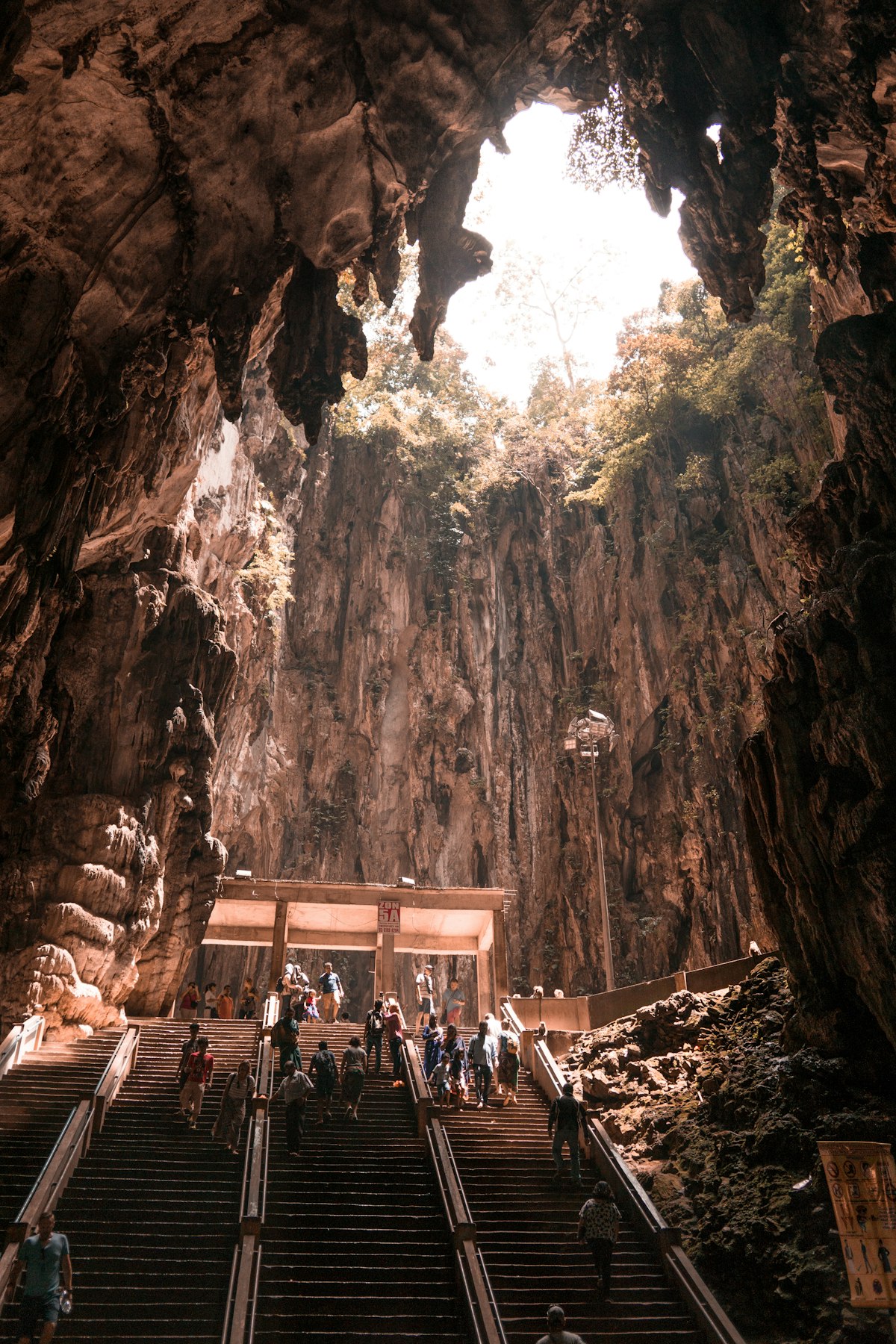
Thaipusam 2027 at Batu Caves: Date & Malaysia Travel Guide
Thaipusam falls on Friday, January 22, 2027, when over a million devotees and visitors gather at Malaysia's Batu Caves for one of Southeast Asia's most striking religious festivals.
 Religious
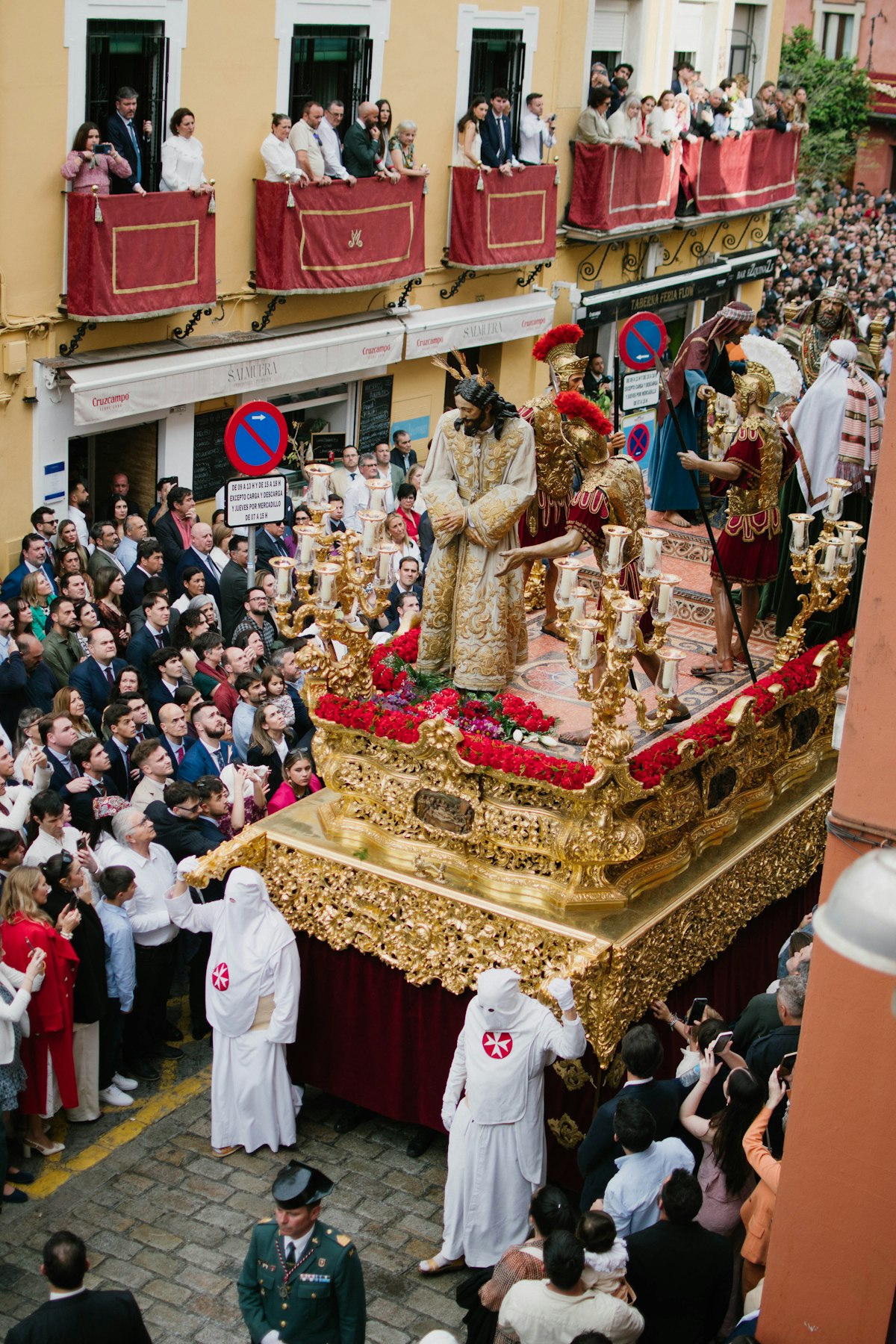
Semana Santa Seville 2027: Dates, La Madrugá & Where to Watch
Holy Week in Seville runs March 21–28, 2027. How the brotherhoods and processions work, what La Madrugá night involves, and where to stand.
 Religious
Holi 2027 in India: Dates, Where to Go & Safety Advice
Holi falls on March 23, 2027, with Holika Dahan the night before. Where to celebrate, how the week-long Braj festivities work, and honest safety guidance.
 Religious
Diwali 2027 in India: Dates, Where to Go & Festival of Lights Guide
Diwali 2027 falls on October 29, with the five-day festival running October 26-31. Where to see India's biggest celebration, from Jaipur's illuminated bazaars to Varanasi's river ghats.
 Religious
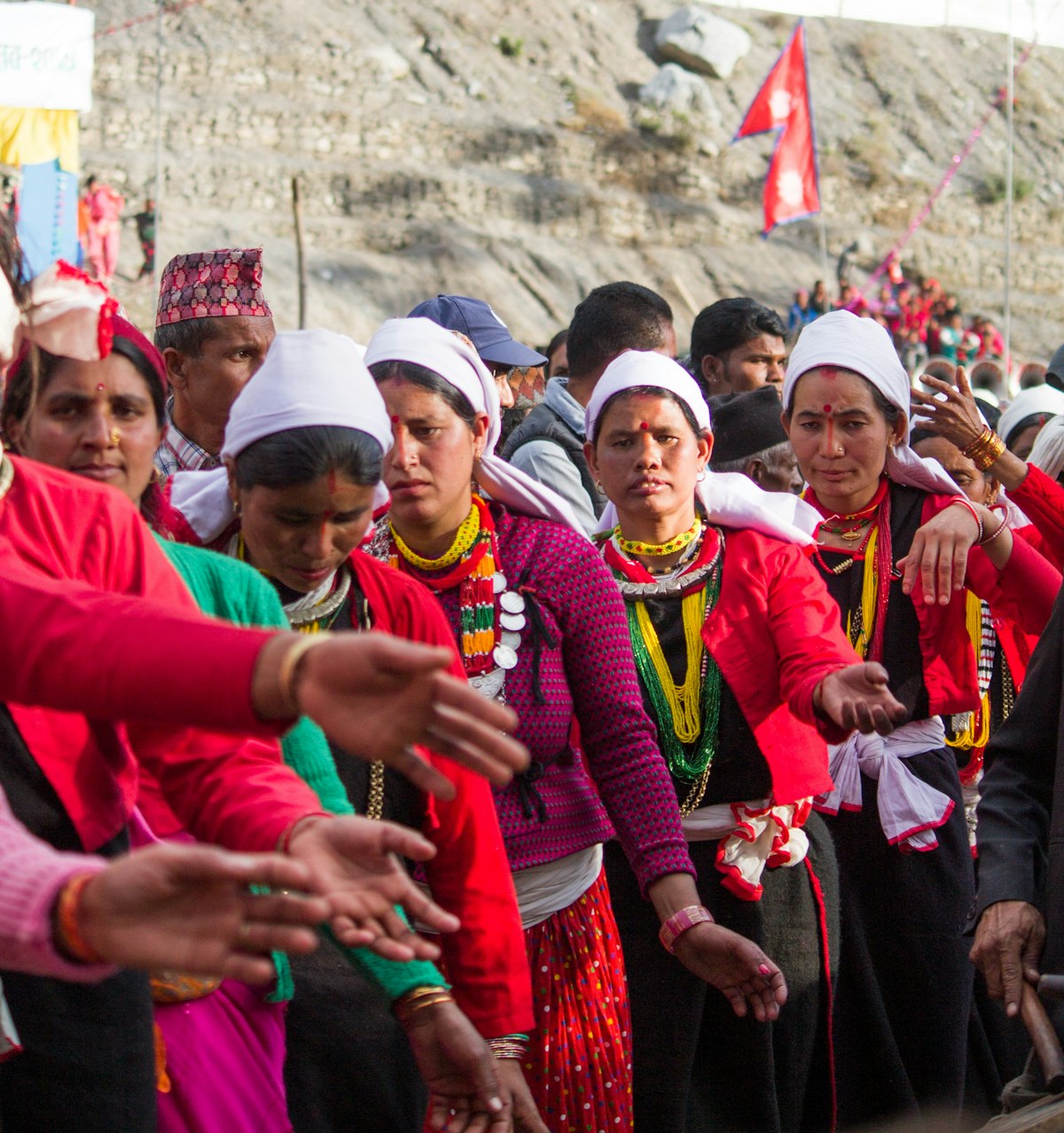
Dashain 2026 in Nepal: Travel Guide to the Biggest Festival
Nepal's largest festival runs October 11–25, 2026, with the main Tika day on October 21. What travelers should know about visiting during the country's most important holiday.
Why Plan Around an Event, Not Just a Destination?
A calendar listing tells you what's happening and where. It doesn't tell you whether hotels near the venue are already sold out, what a realistic daily budget actually looks like once event-week price premiums kick in, or which neighborhood to base yourself in if you also want to see the destination beyond the event itself. That's the gap these guides are built to close — each one pairs verified event facts with the same trip-planning depth as a full destination guide.
Every guide states its verification status plainly — confirmed, partially confirmed, or expected based on a recurring pattern — along with the date it was last checked against official sources, because event details change and we'd rather flag uncertainty than present a guess as fact.