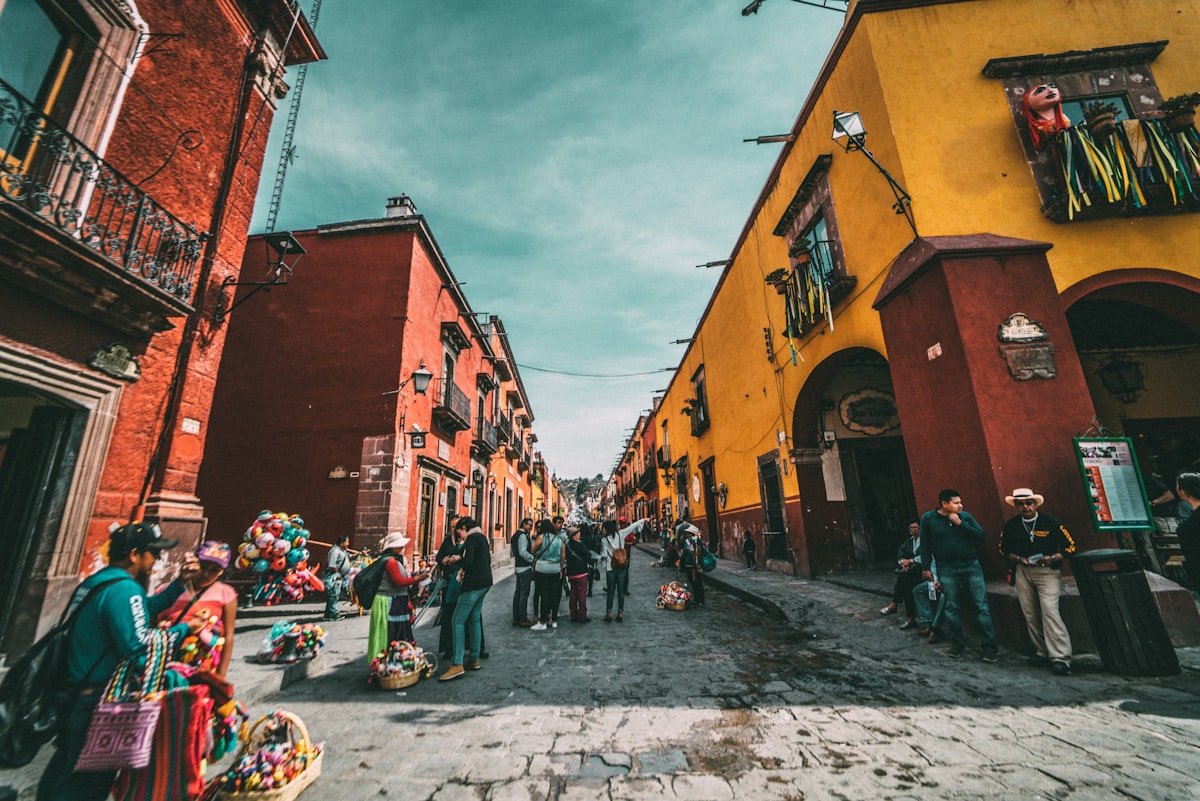


If Santiago is Chile’s business center, Valparaíso is its soul. Located just a two-hour drive from the capital, 'Valpo' is a sprawling, colorful, chaotic, and immensely charming port city built across 42 steep hills overlooking the Pacific Ocean.
Once a major stopover for ships traveling between the Atlantic and Pacific oceans, Valparaíso is now a UNESCO World Heritage site known for its bohemian vibe, vibrant street art, and unique funicular elevators.
What to Do in Valparaíso
- Ride the Ascensores: The city's historic funicular elevators (ascensores) are the best way to navigate the steep hills. Ascensor Concepción and Ascensor El Peral offer incredible views.
- Explore Cerro Concepción and Cerro Alegre: These two hills are the most picturesque in the city, packed with brightly painted corrugated iron houses, boutique cafes, art galleries, and stunning murals.
- Visit La Sebastiana: The former home of Chile's most famous poet, Pablo Neruda. The eclectic house offers fantastic views and insight into his eccentric life.
- Discover the Street Art: Valparaíso is an open-air museum. The street art here is not just graffiti; it is sanctioned, celebrated, and deeply political.
- Ride Ascensor Artillería to Paseo 21 de Mayo: Less visited than the Concepción hills, it delivers the classic postcard view straight down over the working port, with the naval museum at the top.
- Eat chorrillana: A communal platter of fries buried under beef, fried onion and eggs, designed to be shared over beer. It is Valparaíso's contribution to Chilean food culture and best attempted with company.
Getting There from Santiago
Buses leave Santiago's Terminal Alameda and Terminal Pajaritos every few minutes for Valparaíso, run by operators such as Turbus and Pullman, and take roughly 1 hour 45 minutes. They're comfortable, inexpensive, and you can simply turn up and take the next departure rather than booking ahead. Once you arrive, the city itself is walkable if you accept the hills and use the ascensores, and a local trolleybus and the Metro Valparaíso commuter line link the flat downtown with neighbouring Viña del Mar in about 10 minutes.
A Frank Word on Safety
Worth knowing before you arrive
Most guides skip this, which does visitors no favours. Valparaíso has a genuine petty-theft problem — phone snatching and bag theft are common enough that locals are visibly careful. It doesn't make the city dangerous to visit, but it does change how you should carry yourself: keep your phone out of sight when you're not actively using it, don't photograph with an expensive camera dangling from your neck in the port area or Plaza Sotomayor, and avoid wandering unfamiliar cerros after dark. Stick to Cerro Alegre, Cerro Concepción and the main routes at night, and take a taxi or rideshare rather than walking back downhill late.
Where to Stay
Base yourself on Cerro Alegre or Cerro Concepción. These two adjoining hills hold most of the city's boutique guesthouses and restored mansion hotels, they're the safest and best-lit areas at night, and nearly everything a short-stay visitor wants is within walking distance. Staying downtown near the port is cheaper but considerably less pleasant after business hours, and staying in Viña del Mar means commuting in and missing the evenings, which are when the hills are at their best.
When to Go
Chile's seasons are reversed, so the warm months run from December to March. Valparaíso's coastal fog and the cold Humboldt current mean it rarely gets truly hot, and a windproof layer is useful even in summer. The city's most famous night is New Year's Eve, when an enormous fireworks display is launched across the bay and the population swells dramatically — book accommodation months ahead for that, or plan around it. Shoulder months of November and April are quieter and pleasant.
Frequently Asked Questions (FAQ) — Valparaíso
Is Valparaíso worth an overnight stay or just a day trip?
Stay overnight if you can. Day-trippers from Santiago arrive mid-morning and leave before dinner, which means missing the hills at dusk — the light on the painted houses and the view over the harbour are the whole point. One night is enough to change the experience completely; two is comfortable.
Is Valparaíso safe for tourists?
It's fine to visit with normal urban caution, but petty theft is a real and frequent problem rather than a theoretical one. Keep phones and cameras out of sight when not in use, stay on the main tourist hills after dark, and use taxis or rideshares at night. Violent crime against visitors is uncommon; opportunistic snatching is not.
Do all the ascensores still work?
No. Valparaíso once had more than 20 funiculars and only a portion are operating at any given time, with others closed for restoration or disused. Reina Victoria, El Peral, Concepción and Artillería are among those most reliably running, but check locally on arrival rather than planning a route around a specific one.
How does Valparaíso compare to Viña del Mar?
They sit side by side and feel like opposites. Viña del Mar is modern, orderly and resort-like, with proper sandy beaches and high-rise apartments. Valparaíso is chaotic, artistic, hilly and historic, and it is not a beach destination. Most travellers find Valparaíso far more interesting and Viña more comfortable — visiting both is easy given they're 10 minutes apart by train.

Travel Guides Finder Editorial Team
Editorial Team
Articles on Travel Guides Finder are researched and written by our small editorial team. We check dates, prices and entry rules against official sources such as tourism boards, event organisers and government travel advice, and we update guides when those sources change. If you spot an error, please let us know through our contact page.