


Peru is a destination of staggering extremes. It is home to the world's driest desert, the jagged snow-capped peaks of the Andes, the dense canopy of the Amazon rainforest, and the undisputed culinary capital of South America.
For 2026, Peru remains a bucket-list destination for millions. However, traveling here requires serious logistical planning. The government has drastically overhauled the ticketing system for Machu Picchu to prevent over-tourism, meaning you can no longer simply show up and expect to get in. Furthermore, the sheer scale of the country—and the extreme altitudes of cities like Cusco—mean that building a realistic itinerary is critical to your safety and enjoyment.
Whether you are hiking the legendary Inca Trail, eating your way through Michelin-starred restaurants in Lima, or sandboarding down giant dunes in Huacachina, this comprehensive guide covers everything you need to know to plan the ultimate trip to Peru.
## Peru Travel at a Glance
**Best trip length:** 10 to 14 days minimum.
**Best time to visit:** May to October (Dry season in the Andes).
**Currency:** Peruvian Sol (PEN). US Dollars are also widely accepted for large purchases.
**Language:** Spanish (Official), Quechua, and Aymara. English is spoken in tourist hubs (Cusco, Lima, Aguas Calientes).
**Main airports:** Jorge Chávez International Airport (LIM - Lima), Alejandro Velasco Astete (CUZ - Cusco).
**Typical daily budget:** $40–$60 USD (Budget) / $100–$180 USD (Mid-Range) / $300–$600+ USD (Luxury).
**Best regions:** Cusco & The Sacred Valley, Lima, The Amazon, Ica (Huacachina/Paracas).
**Best for:** Ancient ruins, hiking, world-class gastronomy, indigenous culture.
---
Peru Travel Facts
- Travel Factor Information
- Country Republic of Peru
- Capital Lima
- Currency Sol (S/.)
- Time Zone PET (UTC -5)
- Power Outlets Type A, B, and C (220V - Check your electronics!)
- Recommended Trip Length 10 to 14 days
- Tap Water Not safe to drink
---
How Much Does a Trip to Peru Cost in 2026?
Excluding the massive expense of getting to and entering Machu Picchu (which is priced at First-World standards), day-to-day travel in Peru is incredibly affordable. Your budget will stretch very far in local markets and guesthouses.
*(All estimates in USD, excluding international flights. Always verify current exchange rates.)*
Budget Traveler
Stays in highly-rated backpacker hostels in Cusco and Lima (like Loki or Wild Rover). Eats at local markets (San Pedro Market in Cusco) where a 2-course *Menu del Día* costs $3 to $5. Takes overnight Cruz del Sur buses instead of flying. Takes the cheaper, longer colectivos (shared vans) through the Sacred Valley instead of the expensive tourist trains.
Mid-Range Traveler
Stays in beautiful boutique colonial hotels in Cusco or modern Airbnbs in Miraflores (Lima). Eats a mix of street food and excellent mid-range restaurants. Takes domestic flights (LATAM or Sky Airline) between Lima and Cusco to save 22 hours of bus travel. Takes the comfortable PeruRail or IncaRail trains to Machu Picchu.
Luxury Traveler
Stays in 5-star properties like the Belmond Hotel Monasterio in Cusco. Books the ultra-luxurious Hiram Bingham train to Machu Picchu. Dines at world-renowned restaurants in Lima (like Central or Maido) which require reservations months in advance.
- Expense (Per Person / Day) Budget Mid-Range Luxury
- Accommodation $15 – $25 $60 – $120 $250 – $500+
- Food & Drink $10 – $20 $30 – $60 $100 – $250+
- Local Transportation $5 – $10 $15 – $30 $50 – $100+
- Activities/Tours $10 – $20 $30 – $70 $100 – $200+
- Miscellaneous (Coca tea, Tips) $5 – $10 $10 – $20 $20 – $50+
- Total Daily Cost $45 – $85 $145 – $300 $520 – $1,100+
The Machu Picchu Exception (2026 Costs)
Do not apply your daily budget to your Machu Picchu days. Visiting the ruins is expensive.
- Entrance Ticket: ~$45 - $65 USD (Depending on the circuit).
- Round-trip Train (Ollantaytambo to Aguas Calientes): $110 - $160 USD.
- Round-trip Bus (Aguas Calientes up to the ruins): $24 USD.
- Total Base Cost for one day at Machu Picchu: ~$200 USD minimum.
---
Best Time to Visit Peru in 2026
Peru has three distinct geographical zones (Coast, Andes, Amazon), meaning there is no single perfect time to visit the entire country. However, most tourists prioritize the Andes (Machu Picchu).
- Season Months Weather & Crowds Best For
- Dry Season (Peak) May – October Clear blue skies in the Andes, freezing nights. Huge crowds at Machu Picchu. (Note: Lima is covered in a grey fog called *garúa* during these months). Trekking, Machu Picchu, Cusco
- Shoulder Season April & Nov The rains are tapering off or just beginning. The mountains are lush and green. Fewer crowds. General tourism, avoiding peak prices
- Rainy Season (Low) Dec – March Heavy rains in the Andes. The Inca Trail is completely closed for maintenance every February. Conversely, this is summer on the coast, so Lima is sunny and hot. Beaches, Surfing, Culinary tours
The Altitude Warning: Cusco sits at a staggering 11,152 feet (3,400 meters). Altitude sickness (Soroche) is very real. You must spend at least 2 to 3 days acclimatizing, drinking coca tea, and resting before attempting any serious treks.
---
5 Best Places to Visit in Peru
1. Cusco & The Sacred Valley
Why visit: The former capital of the Incan Empire and the undisputed gateway to Machu Picchu. It is arguably the most beautiful city in South America, where Spanish colonial churches are built directly on top of massive, precisely carved Incan stone foundations.
Top Attractions: Plaza de Armas, Sacsayhuamán, San Pedro Market, Ollantaytambo ruins, Pisac market.
Recommended Stay: 4 to 6 days.
Practical Tip: Upon flying into Cusco, many travelers immediately take a taxi down into the Sacred Valley (Ollantaytambo) because it is 2,000 feet lower in elevation, making it much easier to acclimatize before returning to Cusco.
2. Machu Picchu
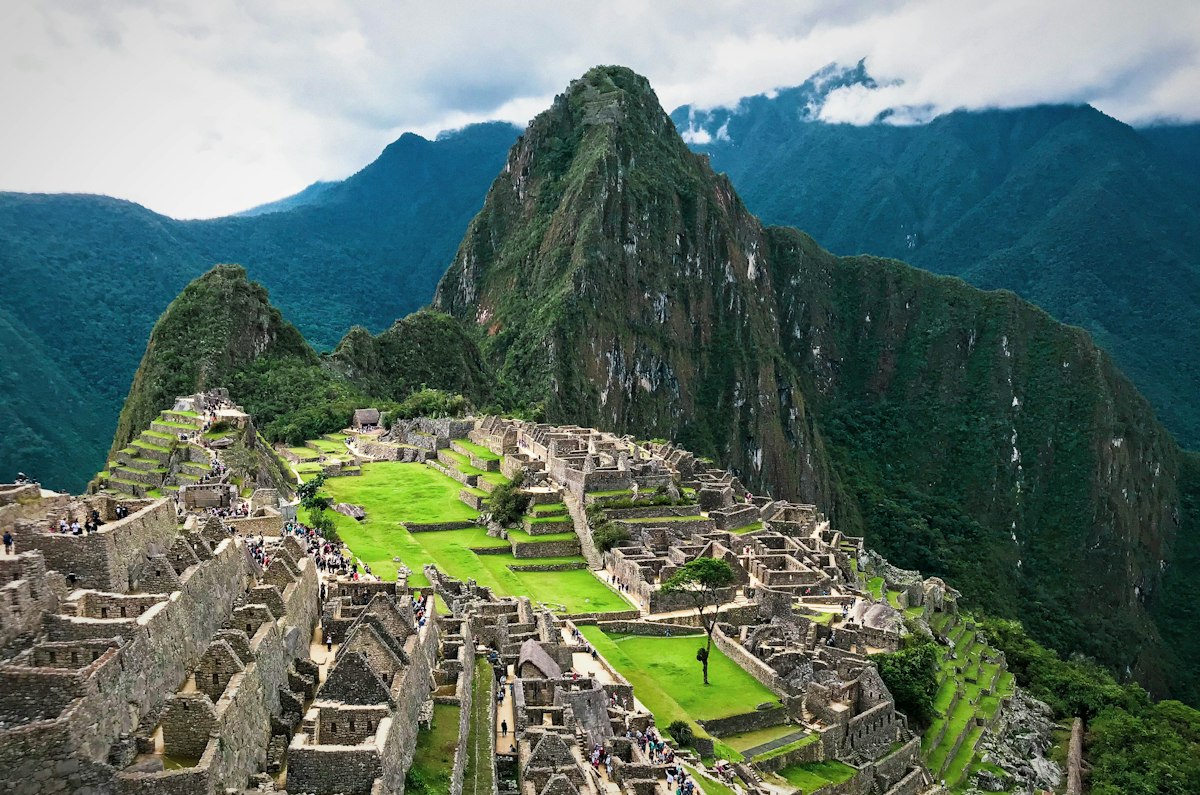
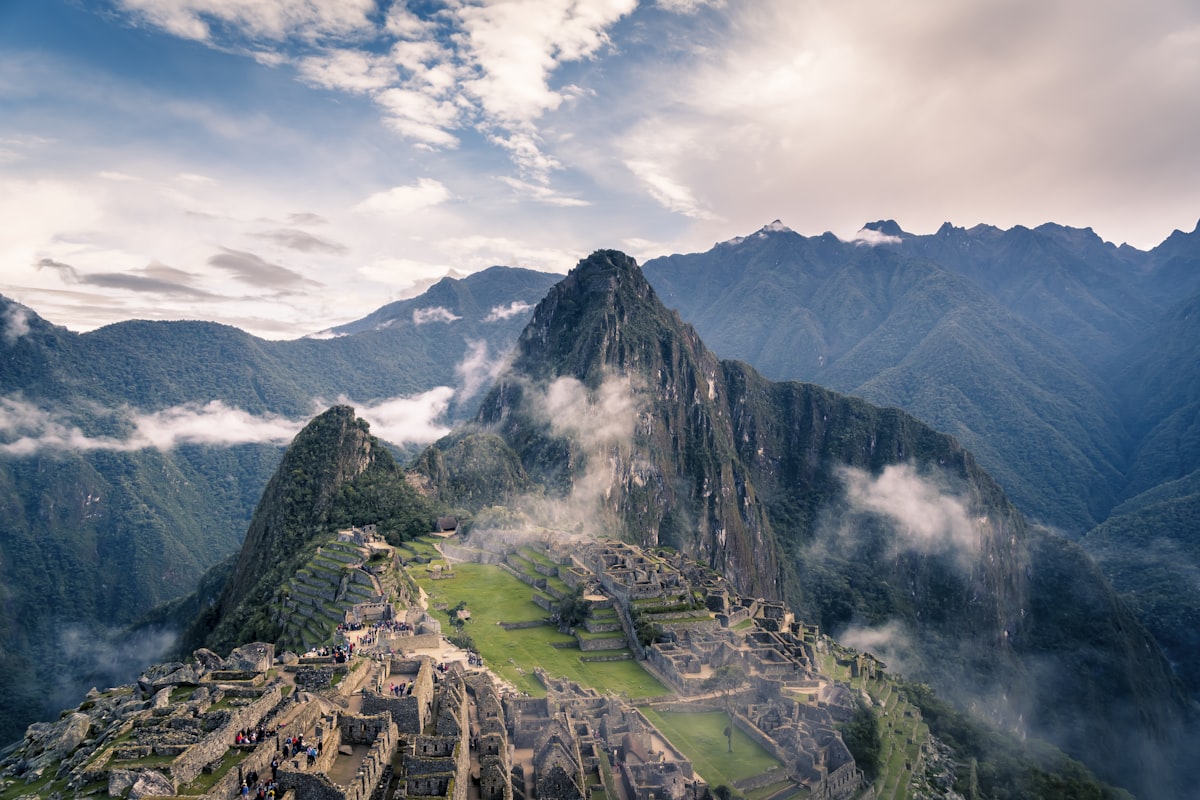
Why visit: One of the New Seven Wonders of the World. An incredibly well-preserved 15th-century Inca citadel built on a mountain ridge high above the Urubamba River.
Top Attractions: The Classic Citadel viewpoint, Huayna Picchu (the tall mountain behind the ruins—requires a special ticket), the Sun Gate.
Recommended Stay: 1 to 2 days (in the town of Aguas Calientes below).
Practical Tip (2026 Update): Tickets are now strictly timed and divided into 3 distinct "Circuits". Circuit 2 is the classic, comprehensive route. You must book this circuit months in advance via the official government website (`tuboleto.cultura.pe`).
*(Wait, let's use the exact image url for Machu Picchu that shows the actual ruins!)*
3. Lima
Why visit: Often skipped by tourists rushing to Cusco, Lima is experiencing a massive renaissance as the culinary epicenter of Latin America. Its coastal cliffside neighborhoods are stunning.
Top Attractions: Miraflores boardwalk (Malecón), Barranco (arts district), Larco Museum, Historic Center.
Recommended Stay: 2 to 3 days.
Practical Tip: Do not stay near the airport (Callao). It is unsafe and far from the attractions. Book your accommodation in the upscale neighborhoods of Miraflores or Barranco.

4. Huacachina & Paracas
Why visit: A literal desert oasis surrounded by massive sand dunes, located just a few hours south of Lima. Nearby Paracas offers the "Poor Man's Galapagos" for marine wildlife.
Top Attractions: Dune buggy rides, Sandboarding, Ballestas Islands (Paracas) to see penguins and sea lions.
Recommended Stay: 2 days.
Practical Tip: Do not take a public bus for this route. Use "Peru Hop," a private hop-on-hop-off tourist bus that connects Lima, Paracas, and Huacachina safely and efficiently.

5. The Amazon Rainforest (Iquitos or Puerto Maldonado)
Why visit: Peru holds the second-largest portion of the Amazon rainforest after Brazil. It offers unparalleled wildlife viewing.
Top Attractions: Nighttime jungle walks, searching for anacondas and pink river dolphins, visiting indigenous communities.
Recommended Stay: 3 to 4 days.
Practical Tip: Puerto Maldonado is easily accessible via a short flight from Cusco, making it the perfect add-on to a Machu Picchu trip. Iquitos is deeper in the jungle and requires flying from Lima.
---
8 Peruvian Foods You Must Try
Peru has been named the "World's Leading Culinary Destination" by the World Travel Awards for over a decade.
- Ceviche: The national dish. Raw fish cured in fresh lime juice, mixed with red onions, cilantro, and fiery *aji limo* peppers. Always served with sweet potato and giant Andean corn.
- Lomo Saltado: A perfect fusion of Peruvian and Chinese (Chifa) cuisine. Strips of beef sirloin stir-fried with onions, tomatoes, and soy sauce, served with French fries and rice.
- Aji de Gallina: A comforting, creamy chicken stew made with yellow chili peppers, walnuts, and cheese, served over rice.
- Cuy (Guinea Pig): Yes, guinea pig. It is a traditional Andean delicacy usually roasted whole and served on special occasions. It tastes similar to dark-meat chicken or rabbit.
- Alpaca Steak: A lean, healthy, and incredibly tender meat commonly served in Cusco restaurants.
- Papa a la Huancaína: Boiled potatoes smothered in a spicy, creamy yellow cheese sauce.
- Pisco Sour: The national cocktail. Made with Pisco (a grape brandy), lime juice, simple syrup, egg white, and a dash of Angostura bitters.
- Chicha Morada: A sweet, non-alcoholic drink made by boiling purple corn with pineapple, cinnamon, and cloves.
---
How to Get Around Peru
- Transport Best For Advantages Disadvantages
- Domestic Flights (LATAM, Sky) Lima to Cusco / Arequipa Saves literal days of travel. (Lima to Cusco is a 1.5 hr flight vs a 22 hr bus ride) Fast altitude changes can cause severe sickness
- First-Class Buses (Cruz del Sur) Regional routes (e.g., Cusco to Puno) Incredibly comfortable (160-degree reclining seats), very safe Mountain roads are winding and can cause motion sickness
- Peru Hop The Southern Coast (Lima -> Nazca -> Arequipa) Safe tourist-only bus, picks up directly from your hotel Slightly more expensive than public buses
- Trains (PeruRail / IncaRail) Cusco/Ollantaytambo to Machu Picchu The only motorized way to reach the ruins Monopolized pricing makes it very expensive
---
Suggested Peru Itineraries
10-Day Classic Inca Route
This is the most popular route for first-time visitors prioritizing Machu Picchu.
- Day 1: Arrive Lima. Settle into Miraflores, eat Ceviche by the ocean.
- Day 2: Lima to Cusco. Morning flight to Cusco. Rest in your hotel, drink coca tea, do absolutely nothing strenuous to acclimatize.
- Day 3: Cusco. Explore the Plaza de Armas and San Pedro Market.
- Day 4: The Sacred Valley. Full-day tour of Pisac, the Maras Salt Mines, and Ollantaytambo. Spend the night in Ollantaytambo.
- Day 5: Train to Aguas Calientes. Take the morning train. Relax in the hot springs town.
- Day 6: Machu Picchu. Early morning bus up to the ruins. Spend the day exploring. Take the late train back to Cusco.
- Day 7: Cusco (Rainbow Mountain). Very early morning hike to the famous 7-Color Mountain (Only attempt this after acclimatizing, as it sits at 17,000 feet!).
- Day 8: Fly to Amazon (Puerto Maldonado). Short flight from Cusco. Boat ride to a jungle lodge.
- Day 9: Amazon. Jungle trekking, canopy bridges, and wildlife spotting.
- Day 10: Depart. Fly Puerto Maldonado -> Lima -> Home.
---
Peru Visa and Entry Requirements (2026 Update)
- Visa-Free Entry: Citizens of the US, Canada, UK, Australia, and the EU do not need a visa to enter Peru for tourism. You will be granted up to 90 days upon arrival.
- TAM (Migration Card): Peru no longer uses physical arrival/departure cards. It is completely digital, and your passport will be stamped.
- Yellow Fever Vaccine: Highly recommended (and sometimes required by airlines) if you are traveling into the Amazon basin (Iquitos/Puerto Maldonado). Not required for Lima or Cusco.
*(Always verify current regulations with the official Peruvian embassy before booking flights.)*
---
Is Peru Safe for Tourists?
- Altitude Sickness (Soroche): This is the #1 danger to tourists. It does not matter how fit you are. Hydrate heavily, avoid alcohol for the first 48 hours, and ask your doctor for Diamox before leaving home.
- Petty Theft: Lima (outside of Miraflores/Barranco) has high rates of pickpocketing and phone snatching. Keep your phone in your pocket when walking near busy streets.
- Taxis: Never hail a taxi off the street in Lima. Always use Uber or Cabify to ensure the ride is tracked and the price is fixed.
- Water: Do not drink the tap water. Stick to bottled water, even for brushing your teeth.
---
10 Ways to Save Money in Peru
- Eat the *Menu del Día*: For lunch, local restaurants offer a set menu (soup, main course, and a drink) for $3 to $5 USD.
- Book Machu Picchu Tickets Independently: Do not pay a tour agency a $50 markup to buy tickets. Buy them yourself on the official `tuboleto.cultura.pe` website months in advance.
- Use Cruz del Sur Buses: For distances under 8 hours (like Cusco to Puno), taking a VIP overnight bus saves you a night of accommodation and is cheaper than flying.
- Walk in Cusco: The historic center of Cusco is small and entirely walkable. You do not need taxis.
- Haggle in the Markets: When buying alpaca sweaters or souvenirs in Pisac or San Pedro market, friendly haggling is expected.
- Skip the Hiram Bingham Train: The luxury train to Machu Picchu costs nearly $500. The standard Expedition or Voyager trains offer the exact same views for $70.
- Take Free Walking Tours: Lima and Cusco both have excellent tip-based walking tours that orient you perfectly to the city history.
- Stay in Hostels (Even if you want a private room): Peruvian hostels are world-class, and booking a private room in a hostel is often cheaper than a 3-star hotel while offering better social atmospheres.
- Use ATMs connected to local banks: BCP (Banco de Crédito del Perú) often has the lowest withdrawal fees for international cards.
- Drink local beer: Cusqueña and Pilsen Callao are cheap and excellent. Imported liquors will destroy your budget.
---
FAQ
1. Is it safe to travel to Peru right now?
Yes. While Peru has experienced political protests in the past, the main tourist corridors (Lima, Cusco, Sacred Valley) are heavily protected and generally very safe for visitors.
2. How hard is the Inca Trail?
The Classic 4-Day Inca Trail is physically demanding due to the high altitude (crossing passes over 13,800 feet) and steep stone steps. You need a baseline level of fitness and proper acclimatization.
3. Do I need to speak Spanish?
In Lima (tourist areas) and Cusco, English is widely spoken by guides, waiters, and hotel staff. However, knowing basic Spanish numbers and greetings goes a long way with taxi drivers and market vendors.
4. When should I buy Machu Picchu tickets?
In 2026, you must buy your tickets at least 3 to 4 months in advance, especially if you want Circuit 2 (The classic route) during the peak dry season (June-August).
5. Can I use US Dollars in Peru?
Yes, but only crisp, untorn, high-denomination bills. Peruvians will reject any US bill with even a microscopic tear. It is always better to pay in local Soles.
6. Do you tip in Peru?
In local *sodas* or market stalls, tipping is not expected. In mid-range and high-end restaurants, a 10% tip is standard if a service charge hasn't already been added.
7. Can I do Rainbow Mountain and Machu Picchu in the same trip?
Yes, but do Machu Picchu first. Machu Picchu is at 7,970 feet, while Rainbow Mountain is at a staggering 17,060 feet. Your body needs maximum acclimatization before attempting Rainbow Mountain.
---

Travel Guides Finder Editorial
Verified ExpertTravel Writer & Expert
Sheraz is a passionate world traveler and the founder of Travel Guides Finder. With years of experience exploring diverse cultures, tasting authentic cuisines, and navigating complex visa requirements, he curates expert guides to help you travel smarter and safer.


