
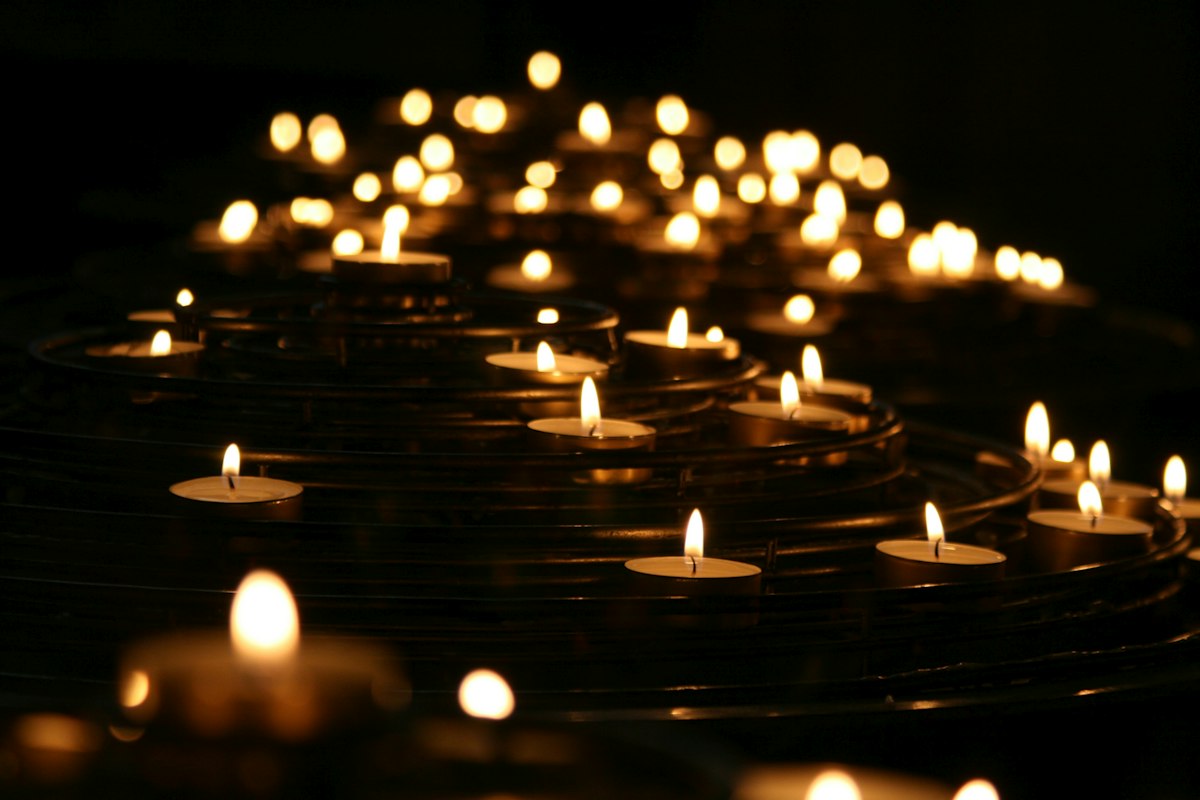
In the middle of the Scandinavian winter, when daylight lasts only a few hours, Sweden celebrates Lucia on December 13. Schools, churches, offices and care homes hold candlelit processions led by Lucia, dressed in white with a red sash and a crown of candles, followed by attendants singing traditional songs. It is one of the most loved traditions in Sweden, and it is celebrated in Norway, Finland and Denmark as well.
Who Was Saint Lucia?
Lucia (Saint Lucy) was a young Christian woman from Syracuse in Sicily who was martyred in the early 4th century. According to legend, she brought food to Christians hiding in the catacombs, wearing a wreath of candles on her head so that her hands were free to carry supplies. Her name comes from the Latin lux, meaning light, which helps explain why she became a symbol of light in the darkest part of the year.
Why December 13?
Under the old Julian calendar, December 13 fell around the winter solstice and was regarded as the longest night of the year. Swedish folklore treated that night as dangerous, a time when dark spirits were active and people should stay awake and eat well. Sweden switched to the Gregorian calendar in 1753, so the solstice no longer falls on December 13, but the date has kept its association with the return of light.
From Farmhouse Custom to National Tradition
The first recorded appearance of a Lucia figure in a Swedish home dates to the 18th century, but the custom only became widespread in the 1900s. Over the 20th century it spread from homes into schools, towns and churches, and the Lucia procession is now broadcast on national television every year.
The Lucia Procession
The procession, called a Luciatåg, is led by Lucia wearing a white gown, a red sash and a crown of lingonberry greenery holding candles. Younger children use battery-operated candles. Behind her walk attendants in white, also holding candles, as well as star boys (stjärngossar) in tall pointed hats. The group sings traditional songs, including the Swedish version of the Neapolitan song 'Santa Lucia'.
Lussekatter and Other Lucia Food
- Lussekatter: soft saffron buns twisted into an S-shape and decorated with raisins, the classic Lucia treat.
- Pepparkakor: thin, crisp ginger biscuits.
- Glögg: Swedish mulled wine, often served with raisins and almonds; non-alcoholic versions are common.
- Coffee: Lucia morning is traditionally served with coffee in homes and workplaces.
Travel tip: Many Lucia concerts in Swedish churches, including in Stockholm, are ticketed and sell out, so book ahead if you want a seat. Some concerts are held on several days around December 13. Check the official website of the church or venue for the 2026 programme.
Where to See Lucia in 2026
In 2026, December 13 falls on a Sunday. Lucia processions take place across Sweden in churches, schools and public spaces, and many Swedish churches abroad also hold Lucia services. In Stockholm, look for concerts in historic churches and events at Skansen, the open-air museum. Smaller towns and villages often have their own local processions, which can feel more intimate than the big-city concerts.
Frequently Asked Questions
When is St Lucia Day?
St Lucia Day is celebrated every year on December 13. In 2026 it falls on a Sunday.
What are lussekatter?
Lussekatter are Swedish saffron buns, usually shaped like an S and decorated with raisins, eaten around Lucia.
Is St Lucia Day a public holiday in Sweden?
No. It is not a public holiday, but it is widely celebrated in schools, workplaces and churches.

Travel Guides Finder Editorial Team
Editorial Team
Articles on Travel Guides Finder are researched and written by our small editorial team. We check dates, prices and entry rules against official sources such as tourism boards, event organisers and government travel advice, and we update guides when those sources change. If you spot an error, please let us know through our contact page.