In most of Europe, Christmas is the big winter celebration. In Scotland, the night of December 31 — Hogmanay — has traditionally mattered at least as much, and Edinburgh's New Year celebrations are among the most famous in the world. The reasons go back nearly five centuries, to the Scottish Reformation, and the customs that grew up around Hogmanay are still alive today.
Why Scotland Celebrated New Year Instead of Christmas
After the Scottish Reformation in the 16th century, the Protestant Church of Scotland regarded Christmas as a Catholic festival and strongly discouraged it, and in 1640 the Scottish Parliament legislated against keeping Yule. For a long time Christmas remained a normal working day for many Scots — it did not become a public holiday in Scotland until 1958. The winter season's feasting, gift-giving and celebration shifted instead to the New Year, which became the main family holiday of the year.
Where Does the Word 'Hogmanay' Come From?
Nobody knows for certain. Suggested origins include an old French word for a New Year's gift, as well as Norse and Gaelic sources, but none is proven. What is clear is that the word has been used in Scotland for centuries for the last day of the year and the celebrations around it.
First-Footing
The best-known Hogmanay custom is first-footing. The first person to cross a household's threshold after midnight — the 'first foot' — is believed to set its luck for the coming year. Traditionally the luckiest first-foot was a tall, dark-haired man, and he would bring symbolic gifts such as coal for warmth, shortbread or black bun (a rich fruit cake in pastry), salt and a dram of whisky. The preference for dark hair is often explained, half-jokingly, as a memory of the days when a fair-haired stranger at the door might be a Viking raider.
Auld Lang Syne
The song sung at midnight across the English-speaking world is Scottish. Robert Burns wrote down and expanded the words of 'Auld Lang Syne' in 1788, based on an older folk song. The title means roughly 'old long since' — days gone by. In Scotland it is sung in a circle, and at the last verse everyone crosses their arms and joins hands with the people on either side.
Fire Festivals
Fire plays a big role in Scottish New Year traditions. In Stonehaven, on the north-east coast, people swing large blazing fireballs through the streets at midnight before throwing them into the harbour. In Comrie in Perthshire, the Flambeaux procession carries tall burning torches through the village. These events are free to watch but very crowded, so check local arrangements and arrive early.
Edinburgh's Hogmanay
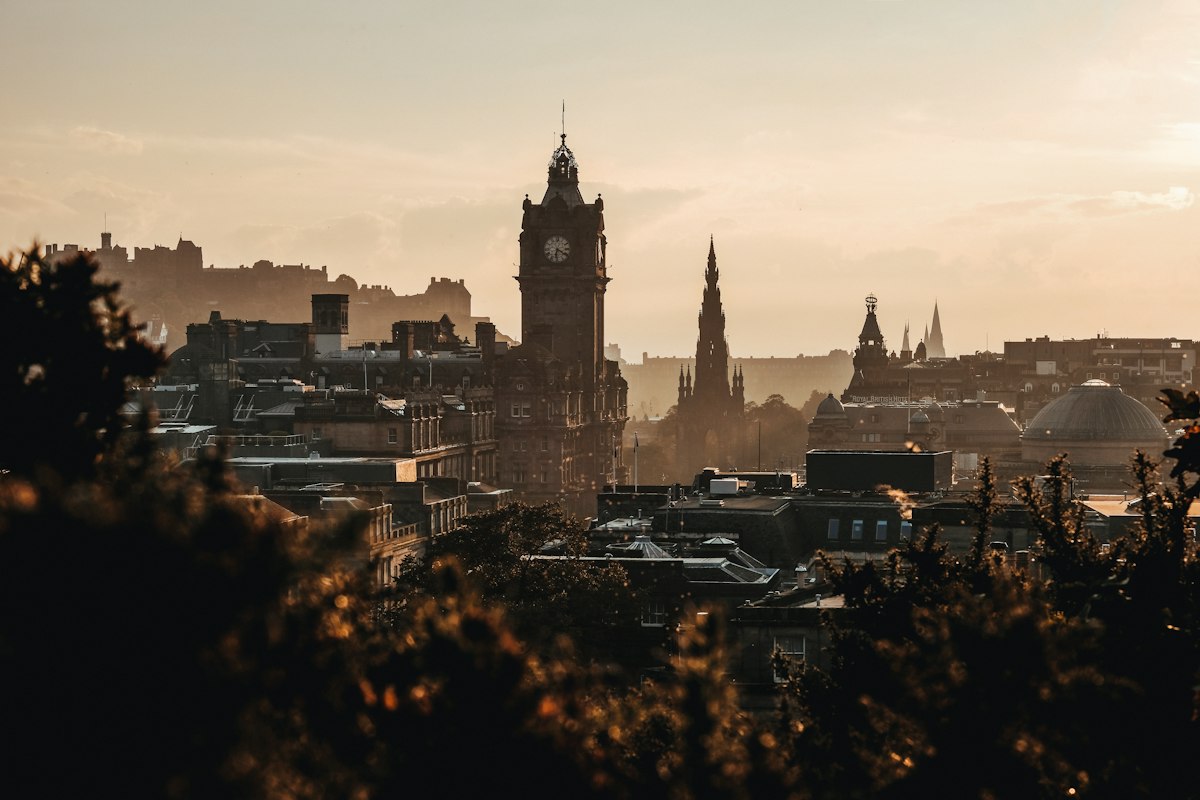
Edinburgh's Hogmanay is a multi-day festival. Its best-known events include a torchlight procession through the city, a ticketed street party in the city centre with live music, and a midnight fireworks display from Edinburgh Castle. The street party and many concerts need tickets that go on sale months in advance, and the city centre is fenced off for ticket holders on December 31.
Planning tip: Edinburgh hotels for Hogmanay often sell out by early autumn, and prices are at their highest of the winter. If you want to attend the street party or a concert, buy official tickets as soon as the programme is announced, and check the official Edinburgh's Hogmanay website for the final schedule.
January 2: A Second Holiday
Scotland is the only part of the UK where January 2 is also a bank holiday, giving everyone an extra day to recover — and to go first-footing for longer.
Frequently Asked Questions
What is Hogmanay?
Hogmanay is the Scottish word for the last day of the year and for the New Year celebrations that go with it.
Who wrote Auld Lang Syne?
Robert Burns wrote down and expanded the song in 1788, based on an older Scottish folk song.
Do I need a ticket for Edinburgh's Hogmanay?
Yes for the city-centre street party and the concerts. The fireworks from Edinburgh Castle can be seen from many places in the city without a ticket, though popular viewpoints get very busy.

Travel Guides Finder Editorial Team
Editorial Team
Articles on Travel Guides Finder are researched and written by our small editorial team. We check dates, prices and entry rules against official sources such as tourism boards, event organisers and government travel advice, and we update guides when those sources change. If you spot an error, please let us know through our contact page.