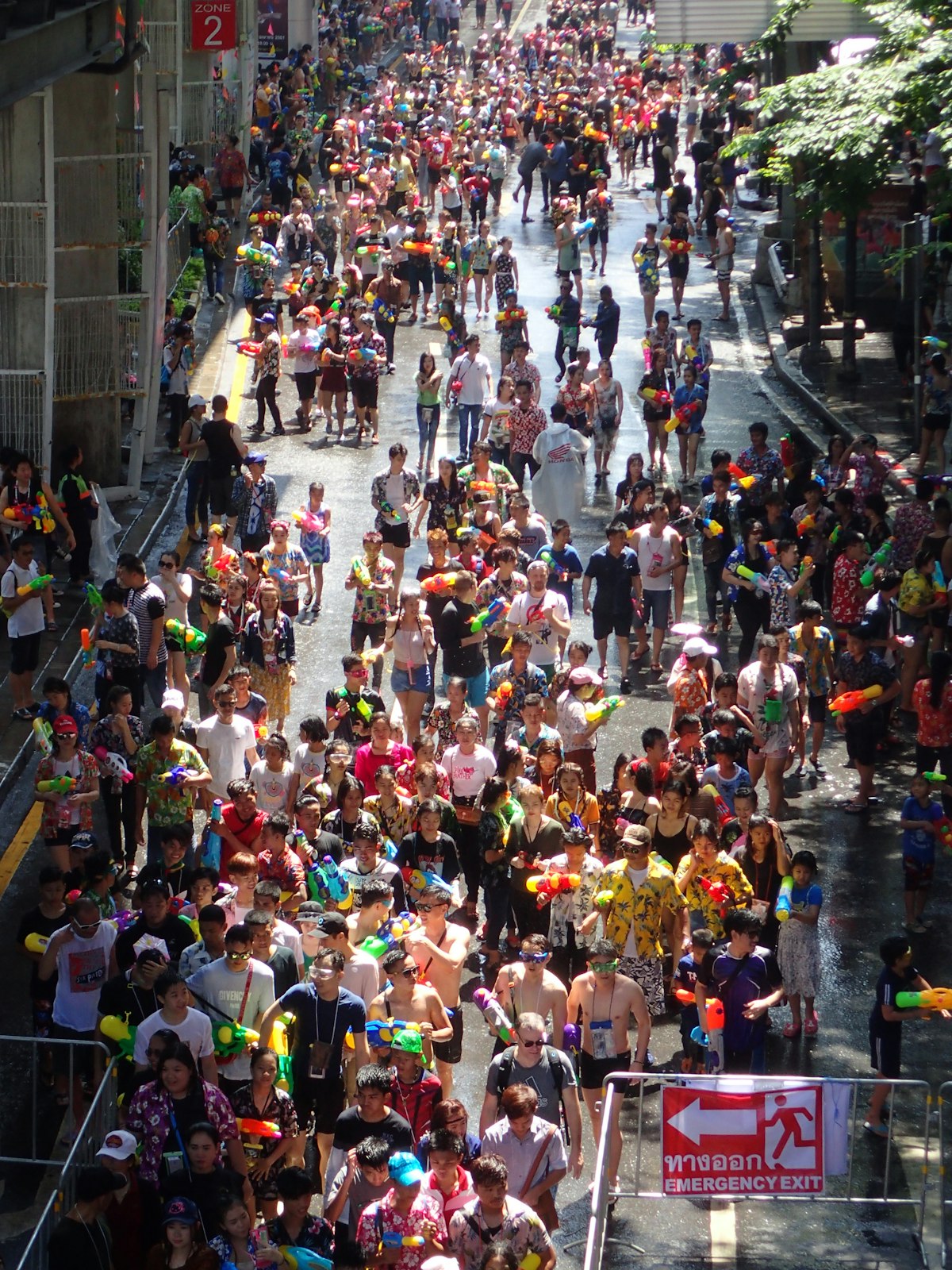
Most visitors think of Songkran as a distinctly Thai institution — the mid-April water fights that turn Chiang Mai and Bangkok into citywide splash zones for several days straight. It is Thai, but it's also only one national name for a much larger shared celebration: the same festival happens, in the same mid-April window, across Myanmar, Laos and Cambodia as well, each under its own local name and with its own specific customs layered on top of a shared core.
One Astronomical Event, Four National Festivals
The Southeast Asian solar new year is tied to a specific astronomical marker — the sun's entry into the astrological sign of Mesha, or Aries — rather than a lunar calendar date. That's precisely why it falls consistently in mid-April across the whole region every year, unlike Lunar New Year, which shifts around the calendar. Thailand's Songkran, Myanmar's Thingyan, Laos's Pi Mai, and Cambodia's Chaul Chnam Thmey are, at their root, the same festival wearing four different national names.
The Shared Core: Water, Temples, and a Fresh Start
Across all four countries, the celebration blends Theravada Buddhist temple rituals — cleansing Buddha images, offering food to monks, visiting pagodas — with public water-throwing in the streets. The water symbolizes washing away the previous year's misfortune and starting the new year clean. A quieter, older ritual runs alongside the modern mass street water fights: pouring water gently over the hands of elders as a sign of respect and blessing, a gesture that predates and still coexists with the boisterous public version most visitors picture.
What's Actually Different Between Them
- Thailand's Songkran (April 13-15): the most internationally famous version, with the most sustained and intense street water-fight culture, particularly in Chiang Mai's old city and along Bangkok's Silom Road.
- Myanmar's Thingyan (April 13-16): similarly water-focused, built around elaborate decorated stages called 'mandat' set up along city streets for organized water-throwing, alongside a strong tradition of almsgiving and merit-making as the festival closes.
- Laos's Pi Mai (April 13-16, sometimes extending further): incorporates sand-stupa building at temples, symbolically replacing the dust believers imagine they've carried out of the temple grounds over the past year, alongside the water rituals.
- Cambodia's Chaul Chnam Thmey (April 14-16): places heavier emphasis on specific mythological figures tied to the new year's arrival, plus traditional games and cultural performances layered around the water-throwing.
Why This Matters for Travelers
Because all four countries celebrate in the same mid-April window, a traveler who assumes only Thailand 'does' Songkran can be caught off guard by an entire country shutting down for the holiday elsewhere in the region — banks, government offices and many businesses close across Myanmar, Laos and Cambodia during their own versions of the festival, just as they do in Thailand. It's worth checking the local calendar for any mid-April Southeast Asia trip, regardless of which specific country, and which specific national name, is on the itinerary.
Frequently Asked Questions
Are Songkran and Thingyan the same festival?
Essentially yes, in origin — both are the Theravada Buddhist solar new year, celebrated under different national names with different specific customs layered on top of the same shared core.
Which country's water festival is the most intense?
Thailand's Songkran, particularly in Chiang Mai, is generally considered the most sustained and extreme in terms of continuous public water-throwing; the other countries' versions tend to be somewhat gentler in the open-street context, though still enthusiastically celebrated.
Do all four countries celebrate on exactly the same dates?
They fall within the same mid-April window, roughly April 13-16, since all four follow the same solar new year marker — though the exact designated days and their emphasis vary slightly by country.

Travel Guides Finder Editorial Team
Editorial Team
Articles on Travel Guides Finder are researched and written by our small editorial team. We check dates, prices and entry rules against official sources such as tourism boards, event organisers and government travel advice, and we update guides when those sources change. If you spot an error, please let us know through our contact page.