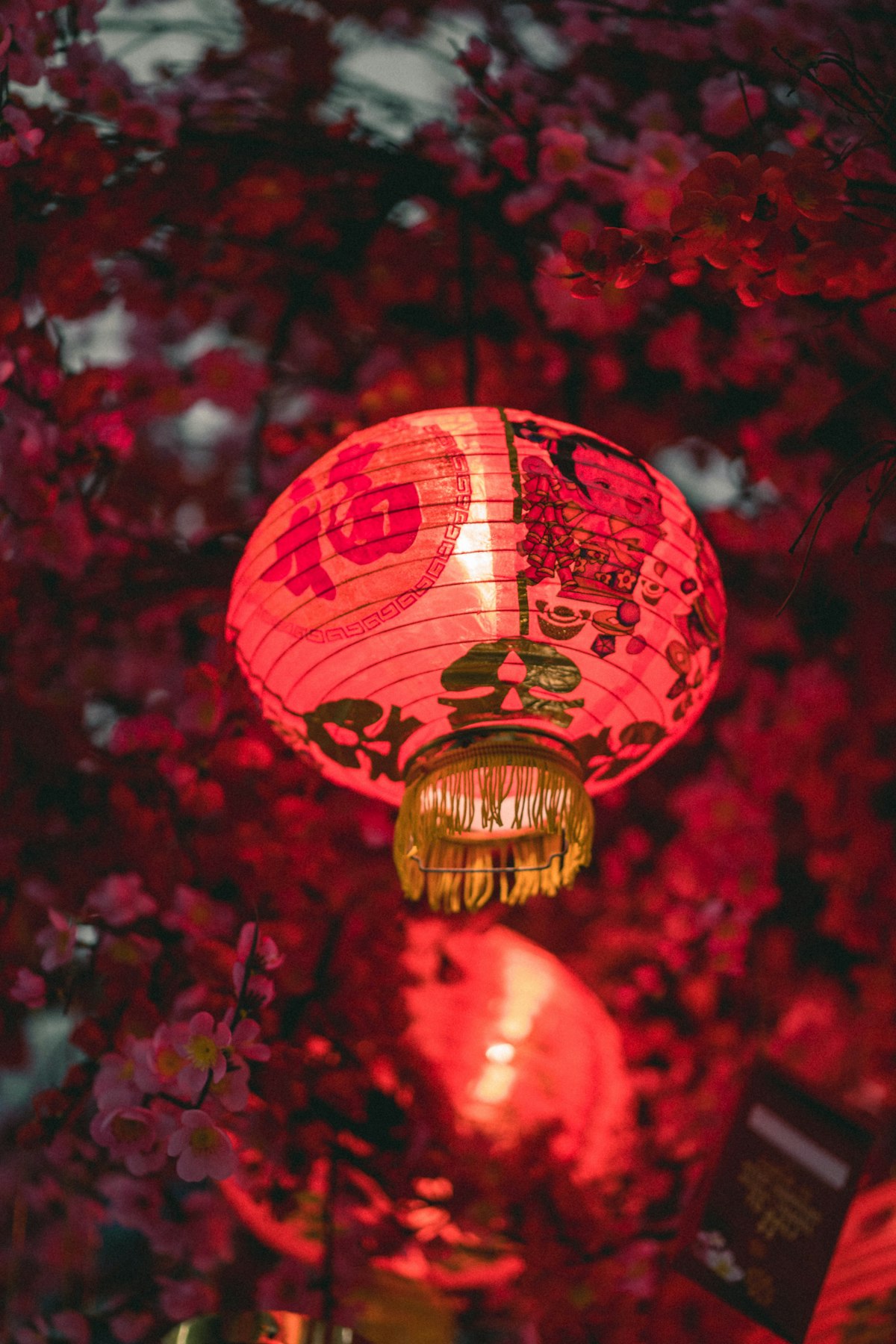
Chinese New Year's most visible customs — everything painted or wrapped in red, streets filled with firecracker noise and light, children handed money in small red envelopes — aren't just generic symbols of luck. Each one traces back to a specific, still widely told folk legend, and the legends themselves are genuinely worth knowing before the holiday's traditions start looking like decoration for its own sake.
The Legend of Nian
According to the traditional story, a beast named Nian — the word literally means 'year' — spent most of the year hidden in the deep sea, coming ashore only at year's end to attack villagers and livestock. In one widely told version, an old beggar wandered into a village as its residents were preparing to flee for the night. A kind widow fed him dumplings and warned him to leave before the monster arrived, but the beggar promised that if she let him stay in her house alone, he would drive Nian away by the time she returned. He decorated the house in red, lit bright lights, and set off loud bamboo firecrackers — and when Nian arrived, it fled in terror. From that night on, villagers understood the beast's three specific weaknesses: loud noise, bright light, and the color red.
Why Red Envelopes Exist
The red envelope (hongbao) tradition comes from an entirely separate legend, involving a different demon named Sui, said to terrify sleeping children on New Year's Eve by touching their heads while they slept. Parents began giving children money wrapped in red paper specifically to keep them awake and protected through the night — the direct ancestor of today's practice of handing out red envelopes to children and unmarried relatives, still one of the most widely observed customs of the holiday in Chinese communities worldwide.
The Zodiac: A Different Legend Entirely
The 12-year zodiac cycle — Rat, Ox, Tiger, Rabbit, Dragon, Snake, Horse, Goat, Monkey, Rooster, Dog and Pig — comes from an unrelated folk tradition, often told as a great race called by the Jade Emperor to determine the order in which the animals' years would run. It has nothing directly to do with the Nian legend; the two traditions simply became attached to the same New Year celebration over centuries. 2027 falls in the Year of the Horse.
Living Traditions, Not Just Stories
The connection between legend and modern practice is direct, not symbolic: firecrackers and fireworks, red lanterns and red clothing, and red envelopes for children all continue the Nian legend's exact internal logic, even for the many celebrants today who've never heard the story told in full. The holiday's other defining feature — hundreds of millions of people traveling home for family reunions, widely considered the largest annual human migration on Earth — has nothing to do with either legend, but has become just as central to how the modern holiday is experienced and planned around.
Frequently Asked Questions
Is the Nian legend historically true?
No — it's folklore rather than documented history, but it remains the traditional explanation Chinese communities themselves tell for the holiday's red-and-loud aesthetic, and it's genuinely widely known and referenced today.
Are the Nian legend and the zodiac related?
No — they're separate folk traditions that both became attached to the same New Year celebration over time, rather than parts of a single connected story.
What zodiac year is 2027?
The Year of the Horse.

Travel Guides Finder Editorial Team
Editorial Team
Articles on Travel Guides Finder are researched and written by our small editorial team. We check dates, prices and entry rules against official sources such as tourism boards, event organisers and government travel advice, and we update guides when those sources change. If you spot an error, please let us know through our contact page.