

Stretching from subtropical rainforests plunging into thundering waterfalls at Iguazú all the way down to the windswept 'End of the World' in Tierra del Fuego, Argentina is a country of staggering scale, cinematic romance, and breathtaking geographic diversity. Often celebrated as the Paris of South America, Buenos Aires seduces travelers with broad leafy boulevards, late-night steak dinners, evocative tango clubs, and century-old literary cafes. Just hours away by plane, the tranquil vineyards of Mendoza back up against snow-crowned Andean peaks, while the southern realm of Patagonia offers the rawest wilderness on Earth: colossal calving glaciers, turquoise glacial lakes, and jagged granite spires that pierce the Antarctic winds.
In 2026, traveling in Argentina is smoother and more economically favorable for international visitors than it has been in decades. Gone are the days when travelers had to carry stacks of crisp physical cash to exchange on black-market street corners; foreign credit and debit cards now automatically receive the MEP (tourist preferential) exchange rate, giving you nearly double the purchasing power of the official bank rate with zero cash-carrying hassle. Domestic flight connections operated by Aerolíneas Argentinas and low-cost carriers like Flybondi make hopping between the subtropical north and glacial south fast and affordable.
However, mastering an Argentine expedition requires seasoned logistical savvy: knowing when to book El Chaltén trekking lodges before Patagonian winds peak, navigating regional airport transfers in Buenos Aires (Aeroparque AEP vs. Ezeiza EZE), booking boat safaris under Iguazú Falls without drowning your passport, and timing your Mendoza winery visits during the intoxicating autumn harvest. This 2026 master guide gives you everything you need: authentic daily costs, money hacks, a 14-day highlights itinerary, culinary deep-dives, transport strategies, and regional secrets.
Argentina Travel Dossier 2026 (Quick-Scan)
Key logistical essentials for planning your 2026 expedition across Argentina:
• Recommended Trip Duration: 12 to 16 days. 12 days allows an ideal loop covering Buenos Aires, Iguazú Falls, Mendoza, and El Calafate (Perito Moreno Glacier); 16 days allows you to venture deep into the trekking trails of El Chaltén (Mount Fitz Roy) and the lake district of Bariloche.
• Best Times to Visit: October to April. Spring (October–December) brings mild temperatures, fewer crowds, and blooming purple jacaranda trees across Buenos Aires. Summer (December–February) is the premier season for hiking in Patagonia and exploring glacier national parks. Autumn (March–May) brings golden foliage to Patagonia and the world-famous grape harvest (Vendimia) festivals in Mendoza.
• Official Currency: Argentine Peso (ARS). Exchange benchmark: $1 USD ≈ 1,250–1,350 ARS (MEP / tourist card rate) / €1 EUR ≈ 1,350–1,450 ARS. Foreign Visa and Mastercard credit/debit cards automatically apply the favorable tourist MEP rate at checkout. Carry 40,000–60,000 ARS in cash for small street purchases, artisan fairs, and tips.
• Primary Gateway Airports: Ministro Pistarini International Airport (EZE - Ezeiza, the major intercontinental hub 45 mins from central Buenos Aires) and Aeroparque Jorge Newbery (AEP - downtown city airport right on the Rio de la Plata, the best hub for domestic flights to Patagonia, Iguazú, and Mendoza).
• Visa Requirements: Citizens of the United States, Canada, the United Kingdom, the European Union, Australia, New Zealand, and over 80 other countries can enter Argentina visa-free for tourism stays of up to 90 days.
• Realistic Daily Budgets: $45–$70 USD (Backpacker / Hostels, bakery empanada lunches & local subways) / $130–$240 USD (Mid-Range / 3–4★ Boutique hotels, world-class bife de chorizo steakhouse dinners & domestic flights) / $420–$950+ USD (Luxury / 5-Star luxury wine resorts in Mendoza, historic estancias & private glacier guides).
Argentina Daily Travel Budget Breakdown (2026 Estimates)
Thanks to favorable foreign exchange mechanisms, Argentina currently stands as one of the highest-value destinations on Earth for international travelers. World-class cuts of grass-fed beef, award-winning reserve wines, and boutique accommodations can be enjoyed at a fraction of North American or European prices. Here is a realistic daily cost breakdown for 2026:
| Budget Tier | Daily Cost (USD) | Daily Cost (ARS approx) | Accommodation Style | Dining & Transit Strategy |
|---|---|---|---|---|
| Shoestring / Backpacker | $45 – $70 | 58,000 – 90,000 ARS | High-rated hostel dorms (Milhouse, Che Lagarto) or budget guesthouses | Bakery empanadas ($1.20 each), supermarket provisions, SUBE metro card & long-distance sleeper buses (cama-suite) |
| Comfortable Mid-Range | $130 – $240 | 170,000 – 310,000 ARS | Stylish 3★ to 4★ boutique hotels in Palermo Soho or Recoleta, cozy Patagonian alpine lodges | Traditional parrilla steak dinners, vineyard lunches, Aerolíneas domestic flights & Cabify rides |
| Luxury & Wine Estates | $420 – $950+ | 550,000 – 1,250,000+ ARS | 5★ landmark hotels (Alvear Palace), luxury Mendoza vineyard lodges (The Vines, Cavas Wine Lodge) | Multi-course wine pairings with private sommeliers, private helicopter transfers & chartered glacier cruises |
Top Money-Saving & Currency Hacks in Argentina
- Pay with Foreign Credit Cards for the MEP Rate: Foreign Visa and Mastercard credit and debit cards automatically settle payments at the preferential tourist MEP rate (close to the blue-dollar rate). This completely eliminates the need to visit unofficial street money changers ('cuevas') with stacks of physical USD bills.
- Choose Aeroparque (AEP) for Domestic Flights: When booking domestic flights between Buenos Aires, Iguazú, Mendoza, and Patagonia, choose flights departing from Aeroparque (AEP) instead of Ezeiza (EZE). Aeroparque is just 15 minutes from central neighborhoods like Palermo and Recoleta, saving you £30+ in airport taxi fares and 45 minutes of transit time.
- Get a SUBE Card for Public Transit: Buenos Aires features an extensive subway network (the 'Subte') and 24-hour bus routes ('colectivos'). Fares are remarkably cheap (around $0.30–$0.45 USD per ride), but you must purchase a rechargeable plastic SUBE card at subway ticket windows or kiosks (kioscos).
- Feast on the 'Menú del Día' and Artisanal Empanadas: For quick, delicious lunches, seek out local neighborhood rotiserías and empanada shops. Golden baked empanadas filled with hand-cut beef (carne cortada a cuchillo), spicy chicken, or roquefort and ham cost just $1.20 to $1.80 each.
- Book Patagonia High Season Accommodations Months in Advance: In small trekking hubs like El Chaltén and El Calafate, high-quality boutique hotels and mountain lodges sell out 4 to 6 months in advance for December through February. Book early to avoid being forced into overpriced remaining rooms.
1. Buenos Aires — The Seductive 'Paris of South America'
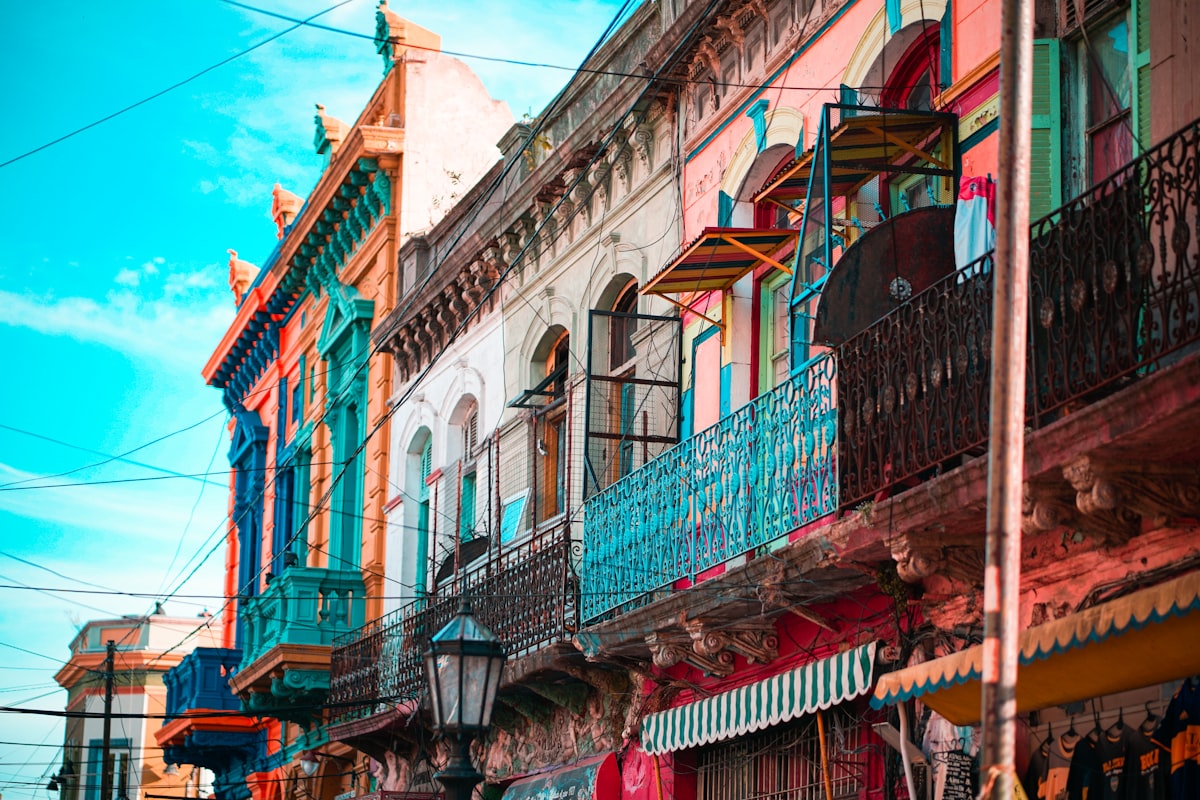
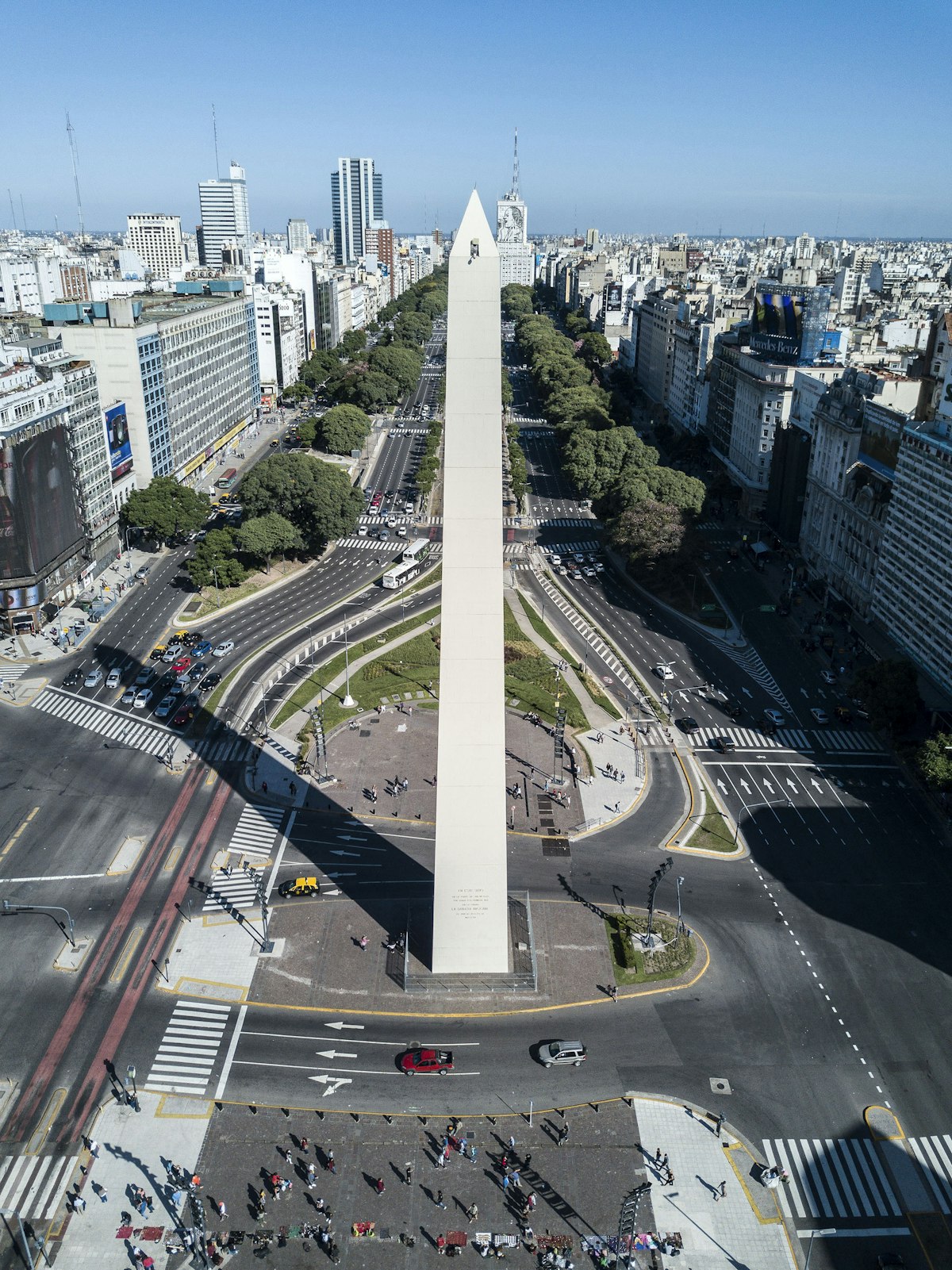
Buenos Aires is a city that pulses with passionate cultural energy from dawn until long past midnight. Its grand neoclassical facades, wide tree-lined boulevards, and ornate palace balconies earned it the moniker 'Paris of the South', but its fiery tango rhythms, late-night café debates, and fanatical football culture are 100% Argentine. Start your journey in the historic Plaza de Mayo, facing the rose-tinted balcony of the Casa Rosada where Eva Perón famously addressed the crowds.
Each of the capital's barrios possesses its own distinct personality: the cobbled alleys of San Telmo are filled with antique dealers, weekend street tango dancers, and historic cafes where espresso is served with a small glass of sparkling soda water. Recoleta houses the world-renowned Recoleta Cemetery—an eerie, opulent city of marble mausoleums where national heroes and Evita rest. In Palermo Soho and Hollywood, former warehouses have been converted into Latin America's most exciting designer boutiques, speakeasy cocktail bars, and Michelin-recognized steakhouses (parrillas) like Don Julio and La Cabrera.
2. Los Glaciares & Patagonia — Perito Moreno & El Chaltén
Flying south into Argentine Patagonia feels like landing on another planet. Based out of the charming lakeside town of El Calafate, Los Glaciares National Park is home to one of the world's few advancing ice masses: the Perito Moreno Glacier. Stretching across 250 square kilometers, this colossal river of ice terminates in a five-kilometer-wide wall of jagged blue pinnacles rising 70 meters above the turquoise waters of Lake Argentino. Strolling along the steel catwalks, you will hear deep subterranean groans before house-sized chunks of ice violently shear off and crash into the lake with the sound of cannon fire.
A three-hour scenic bus ride north brings you to El Chaltén—officially designated as Argentina's National Trekking Capital. Nestled inside the northern sector of the national park, this tiny mountain outpost requires no expensive guides or tour buses; trailheads begin literally at the end of the town's paved streets. The crown jewel day hike is the Laguna de los Tres trail: an 8-to-9 hour round-trip trek through golden lenga forests leading to a cobalt alpine tarn directly beneath the sheer granite fangs of Mount Fitz Roy.
3. Iguazú Falls — The Thundering Natural Wonder of the World
Straddling the border between Argentina and Brazil in the subtropical north, Iguazú Falls is a geological spectacle of raw elemental power that completely dwarfs Niagara Falls. Spanning nearly three kilometers across a semicircular basalt crescent, over 275 separate roaring waterfalls plunge up to 82 meters into a misty canyon enveloped by emerald jungle populated by bright toucans, curious coatis, and swarms of iridescent butterflies.
While Brazil offers the wide panoramic viewpoint, Argentina owns the immersive sensory experience. Extensive wooden boardwalks take you right over the top of the rushing river to the edge of the Garganta del Diablo (The Devil's Throat)—a deafening horseshoe chasm that swallows half the river's flow in a thunderous plume of spray. For an adrenaline rush, board the Gran Aventura speedboat, which speeds directly into the spray beneath the San Martín cascades (prepare to be completely drenched!).
4. Mendoza — The Malbec Capital Beneath the High Andes
Nestled in the sun-baked eastern foothills of the snow-capped Andes mountains, Mendoza produces nearly two-thirds of all Argentine wine, with its high-altitude Malbecs universally recognized as some of the finest in the world. The provincial capital is a tranquil city of broad, tree-shaded avenues and expansive plazas irrigated by an ingenious network of open stone canals (acequias) first designed by the indigenous Huarpe people.
The premier wine experience lies south of the city in the sub-regions of Luján de Cuyo and the breathtaking Valle de Uco. Here, futuristic architectural wineries rise like temples against the dramatic backdrop of 6,000-meter Andean peaks. A quintessential Mendoza afternoon involves touring barrel rooms, sampling deep violet reserve Malbecs and crisp Torrontés whites, and savoring lavish 5-course vineyard lunches cooked over open fires (al rescoldo) as the afternoon sun casts long golden shadows across the vines.
The Ultimate 14-Day Argentina Itinerary (Classic Explorer Loop)
This field-tested 14-day itinerary connects Argentina's premier highlights without exhausting backtracking, taking advantage of direct domestic flights:
### Days 1–3: The European Grandeur of Buenos Aires Explore the historic Plaza de Mayo, San Telmo antique markets, and the Recoleta Cemetery. Spend evenings sampling legendary bife de chorizo steaks in Palermo Soho and attending an authentic underground tango milonga.
### Days 4–5: Thundering Iguazú Falls Fly north from Aeroparque (AEP) to Puerto Iguazú. Dedicate a full day to walking the Upper and Lower Circuits of Iguazú National Park, taking the train to the Devil's Throat, and boarding the thrilling Gran Aventura jet boat safari.
### Days 6–8: Mendoza Wine Country & The Andes Catch a direct flight to Mendoza. Rent a bicycle or hire a private driver to tour world-class wineries across Luján de Cuyo and the Valle de Uco. Indulge in multi-course wine-pairing lunches and view Mount Aconcagua, the highest peak in the Western Hemisphere.
### Days 9–11: El Calafate & The Perito Moreno Glacier Fly south into the heart of Patagonia at El Calafate. Spend a breathtaking day marveling at the colossal Perito Moreno Glacier from the catwalks and taking a mini-trekking excursion with crampons across the ancient ice field.
### Days 12–13: El Chaltén Trekking Capital Take a scenic 3-hour transfer to El Chaltén. Complete the world-renowned Laguna de los Tres day hike beneath Mount Fitz Roy, followed by a hearty lamb stew (cazuela de cordero) and local Patagonian craft beer.
### Day 14: Return to Buenos Aires & Farewell Dinner Return to El Calafate for your flight back to Buenos Aires. Enjoy your final evening shopping for artisanal leather goods and savoring a farewell glass of Malbec in Puerto Madero.
Authentic Argentine Gastronomy You Must Experience
Food in Argentina is a sacred social ritual centered around exceptional meat, slow-burning wood fires, and hours of lively conversation:
Iconic Argentine Culinary Traditions
- The Traditional Asado & Parrilla: The cornerstone of Argentine social life. Cuts of beef are cooked slowly over fragrant hardwood embers. Don't miss 'Bife de Chorizo' (tender sirloin), 'Ojo de Bife' (ribeye), and 'Tira de Asado' (cross-cut short ribs), served with fresh chimichurri and salsa criolla.
- Empanadas: Flaky baked or fried pastry pockets stuffed with savory fillings. The regional favorites are 'Empanadas Salteñas' (spiced beef, egg, and potato) and 'Empanadas Mendocinas' (beef, onions, and green olives).
- Provoleta: A thick disc of provolone cheese seasoned with dried oregano and crushed red pepper, grilled directly over the fire until it develops a crispy golden crust while remaining gooey and melted inside.
- Milanesa a la Napolitana: A thin, crispy breaded beef or chicken cutlet topped with savory tomato sauce, melted mozzarella cheese, and slices of ham, usually served alongside a mountain of french fries.
- Dulce de Leche & Alfajores: Argentina's national sweet obsession. Thick, caramelized milk spread sandwiched between two delicate cornstarch cookies (Alfajores de Maicena) and rolled in shredded coconut.
- The Mate Ritual: A shared herbal infusion brewed from dried leaves of Ilex paraguariensis, sipped through a metal straw (bombilla) from a hollowed gourd. Sharing mate is a gesture of friendship and community hospitality.
Essential Practical Travel Tips & Safety for 2026
Smart Travel Advice for Argentina
- Domestic Flight Timing & Baggage: Domestic airlines in Argentina (especially Aerolíneas Argentinas) have strict 15kg checked luggage limits on base fares. Weigh your luggage beforehand and allow at least 3 hours for transfers between AEP and EZE airports in Buenos Aires.
- Pack Windproof Layers for Patagonia: Patagonian weather is notoriously erratic. Sustained 70–90 km/h winds are common in spring and summer. Always pack a quality waterproof/windproof outer shell, thermal base layers, a fleece jacket, and sturdy waterproof hiking boots with ankle support.
- Tipping Customs: In restaurants and cafes, a 10% tip (propina) in cash or added to the card bill is standard for good service. For taxi drivers, rounding up the fare to the nearest hundred pesos is customary.
- Street Smarts in Buenos Aires: While Argentina is generally among South America's safest nations, opportunistic phone-snatching by thieves on motorcycles ('motochorros') occurs in busy tourist corridors. Keep your smartphone inside your pocket while walking along curbs and avoid waving expensive cameras around.
Frequently Asked Questions (FAQ) — Argentina Travel 2026
How does the tourist MEP exchange rate work in Argentina in 2026?
Foreign credit and debit cards (Visa, Mastercard, Amex) automatically receive the MEP tourist rate at the point of sale or via an automatic refund on your bank statement within a few days. This means your purchases cost roughly the same as if you had exchanged cash on the unofficial 'blue dollar' market, saving you 40% to 50% compared to official bank rates.
How many days do you need for a trip to Argentina?
Because Argentina is the eighth-largest country in the world, a minimum of 12 to 14 days is recommended to comfortably cover Buenos Aires, Iguazú Falls, Mendoza, and one region in Patagonia without feeling rushed.
When is the best time of year to visit Patagonia?
The southern hemisphere summer (December through February) offers the warmest temperatures (15°C–22°C) and the longest daylight hours (up to 17 hours), making it the prime season for trekking in El Chaltén and visiting the Perito Moreno Glacier. The shoulder months of November and March offer fewer crowds and beautiful autumn colors.
Do I need a visa to travel to Argentina in 2026?
Citizens of the United States, Canada, the United Kingdom, European Union countries, Australia, and New Zealand do not require a tourist visa for stays up to 90 days. You simply present a valid passport with at least six months of remaining validity.
Is Argentina safe for international and solo travelers?
Yes. Argentina is widely considered one of the safest countries in South America. In rural regions like Patagonia, the Lake District, and Mendoza wine country, violent crime is virtually unheard of. In Buenos Aires, standard metropolitan street smarts apply: be mindful of pickpockets on public transit and keep valuables concealed in busy crowds.
Daniela Vargas
Verified ExpertTravel Writer & Expert
Sheraz is a passionate world traveler and the founder of Travel Guides Finder. With years of experience exploring diverse cultures, tasting authentic cuisines, and navigating complex visa requirements, he curates expert guides to help you travel smarter and safer.


