
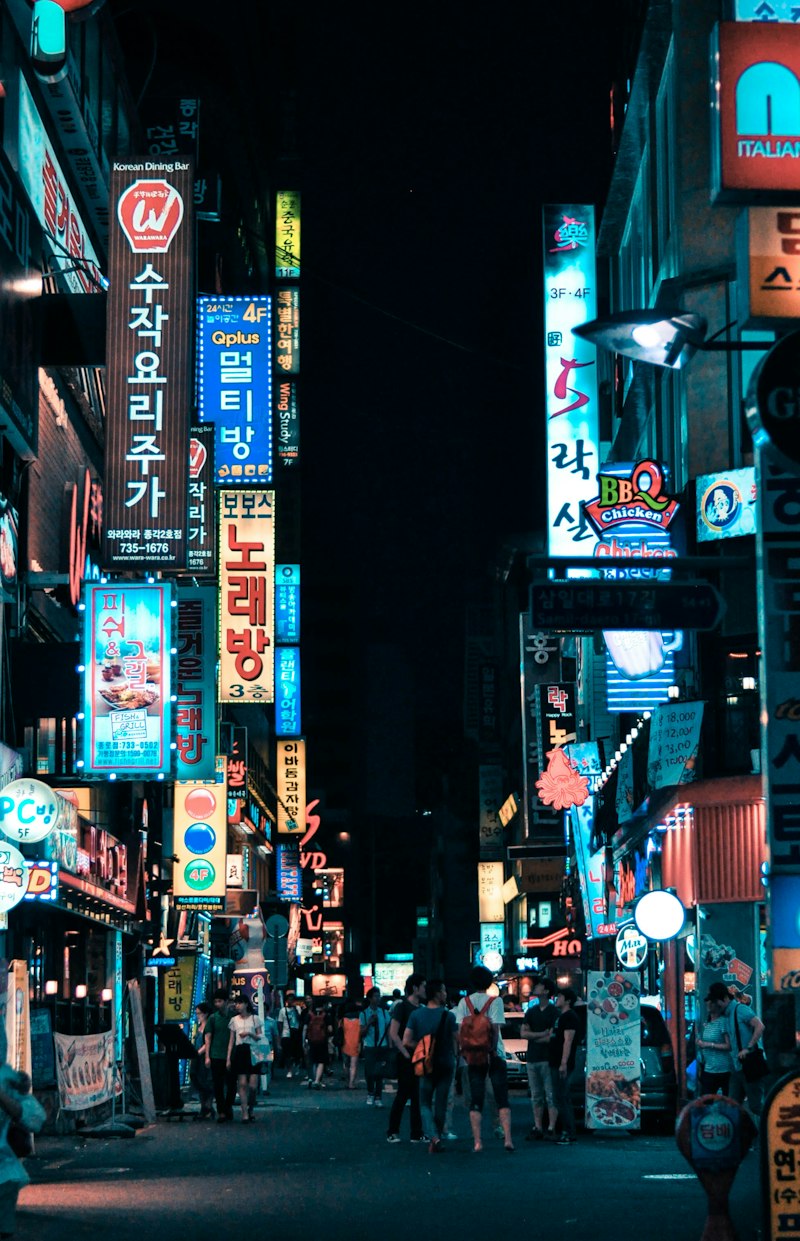
Best Time to Visit South Korea
March to May and September to November
Quick Answer
Best Overall
March to May and September to November
Peak Season
Late March–early April (cherry blossoms) and late October–early November (autumn foliage)
Shoulder Season
May–June, September
Cheapest Period
December to February (excluding New Year) and August
Weather Varies By Region
South Korea is large enough that no single "best time" applies everywhere. Here's how the timing changes region by region.
Jeju Island
Apr–Jun, Sep–NovNoticeably milder than the mainland year-round; its own summer (Jul–Aug) is wetter and carries more typhoon exposure.
Busan & the south coast
Mar–May, Sep–NovMilder winters than Seoul, with a similar spring/autumn sweet spot.
Seoul & the mainland interior
Mar–May, Sep–NovThe most seasonally extreme region — genuinely cold, dry winters and hot, humid, wet summers.
Month-by-Month Weather
Catalog Data· Climate normals, see sources below(Verified taxonomy records from the TravelGuidesFinder destination catalog.)Average high/low temperatures and rainfall for Seoul (used here as a representative reference point — see regional notes above for other areas).
| Month | High | Low | Rainfall | Season |
|---|---|---|---|---|
| January | 2°C / 36°F | -6°C / 21°F | 15mm | Low |
| February | 5°C / 41°F | -4°C / 25°F | 30mm | Low |
| March | 11°C / 52°F | 1°C / 34°F | 35mm | Shoulder |
| April | 18°C / 64°F | 7°C / 45°F | 75mm | Peak |
| May | 24°C / 74°F | 13°C / 55°F | 105mm | Peak |
| June | 28°C / 82°F | 18°C / 65°F | 130mm | Shoulder |
| July | 29°C / 84°F | 22°C / 72°F | 415mm | Low |
| August | 30°C / 86°F | 23°C / 73°F | 350mm | Low |
| September | 26°C / 79°F | 17°C / 63°F | 140mm | Shoulder |
| October | 20°C / 68°F | 10°C / 50°F | 50mm | Peak |
| November | 12°C / 53°F | 3°C / 37°F | 50mm | Peak |
| December | 4°C / 39°F | -4°C / 25°F | 25mm | Low |
Season-by-Season Guide
Spring (Mar–May)
Warming quickly from near-freezing to 23°C highs, cherry blossoms nationwide late March–April
Good For
Summer (Jun–Aug)
Hot and very humid, with a concentrated monsoon (jangma) in July bringing the heaviest rain of the year
Good For
Autumn (Sep–Nov)
Cooling from 26°C to 12°C, peak foliage typically late October into November
Good For
Winter (Dec–Feb)
Cold and dry, Seoul highs near or below freezing
Good For
Best Time to Visit For...
Cherry blossoms
Late March–early AprilExact timing is forecast only a few weeks ahead.
Autumn foliage
Mid-to-late October into early NovemberSeoraksan National Park typically colors first, Seoul's palaces a bit later.
Skiing (Pyeongchang/Gangwon)
December–FebruaryReliable snow through the core winter months.
Jeju Island
April–June, September–NovemberIts own summer is wetter and more typhoon-exposed than the mainland's.
Budget travel
December–February, AugustOutside the New Year spike; August's heat and humidity suppress demand relative to spring and autumn.
Cheapest Time to Visit
Outside the New Year holiday spike, December–February brings the lowest hotel rates in Seoul; August, despite being summer, is also comparatively cheap since the heat and humidity suppress leisure demand relative to the spring and autumn peaks.
Busiest Time to Visit
Cherry blossom week (typically late March into early April) and peak autumn foliage (roughly the last week of October into early November) are the two busiest, most expensive windows — hotels in Seoul and along the Seoraksan foliage routes book out well ahead.
Weather vs. Price Trade-off
Late May–early June and September offer comfortable temperatures close to the spring/autumn peaks, before rain picks up in June or after the summer humidity breaks in September, typically at lower demand than the exact blossom or foliage-peak weeks.
Travel Budget
Statistical Estimate· TravelGuidesFinder Cost Index(Derived from seasonal cost modeling; actual on-the-ground prices may vary.)Budget Traveler
$69/day
Mid-Range Traveler
$168/day
Luxury Traveler
$430/day
How to Get There
Seoul Incheon (ICN) is the main international gateway; the KTX high-speed rail network connects Seoul to Busan and other major cities in under 3 hours, and Jeju is a short domestic flight away.
How Long to Stay
5–7 days covers Seoul plus a short trip (the DMZ or Nami Island). 10–12 days allows Seoul, Busan, and Jeju Island without rushing.
Sample Itineraries
What to Pack, By Season
Frequently Asked Questions
What is the best time to visit South Korea?
March–May and September–November, for cherry blossoms or autumn foliage respectively, with comparably reliable mild weather in both windows.
When is Korea's rainy season?
The jangma monsoon is concentrated in July, with August also seeing heavy rain and some typhoon exposure, especially for Jeju Island.
Is Seoul very cold in winter?
Yes — highs hover near or below freezing from December to February, though skies are typically clear and dry.
Last verified: 2026-09-19 · Climate figures are 30-year averages and will not match any single trip exactly.