
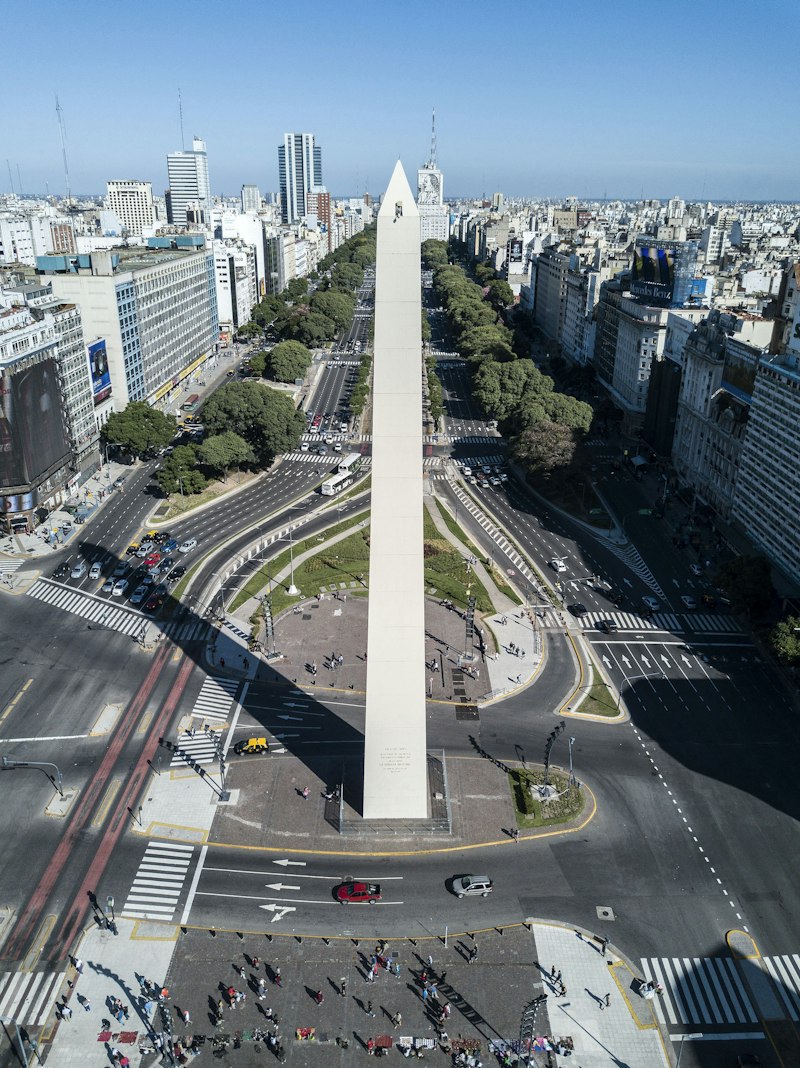
Best Time to Visit Argentina
March to May and September to November for Buenos Aires; November to March for Patagonia and Ushuaia; April to September is more comfortable for Iguazu Falls
Quick Answer
Best Overall
March to May and September to November for Buenos Aires; November to March for Patagonia and Ushuaia; April to September is more comfortable for Iguazu Falls
Peak Season
December–February (Argentine summer — Patagonia's main trekking season, Buenos Aires at its hottest and most humid)
Shoulder Season
March–May, September–November
Cheapest Period
June–August (Argentine winter — low season nationwide outside Andean ski resorts)
Weather Varies By Region
Argentina is large enough that no single "best time" applies everywhere. Here's how the timing changes region by region.
Buenos Aires & the Pampas
Mar–May, Sep–NovThe capital is hot and humid in January-February (near 30°C) and cool in June-August (highs around 16°C); spring and autumn are the most comfortable for walking the city.
Patagonia (El Calafate, Bariloche, Torres del Paine access)
Nov–MarGlacier excursions and trekking trails run primarily November through March; many services scale back or close entirely in the depths of winter (June–August), when snow and strong winds make trekking difficult.
Iguazu Falls (subtropical north)
Apr–Sep (more comfortable), year-round otherwiseWarm year-round with heavy rainfall (nearly 2,000mm annually); the falls are fullest during the wetter November-March season, but April-September is more comfortable for the surrounding rainforest trails.
Mendoza Wine Region
Feb–Apr (harvest season)Semi-desert climate near the Andes with minimal rainfall year-round; the grape harvest (vendimia) runs February through April, making autumn a signature time to visit.
Ushuaia & Tierra del Fuego
Nov–MarThe world's southernmost city has a subpolar climate — June and July average just 2°C — and most cruise and trekking operators run their season November through March.
Month-by-Month Weather
Catalog Data· Climate normals, see sources below(Verified taxonomy records from the TravelGuidesFinder destination catalog.)Average high/low temperatures and rainfall for Buenos Aires (used here as a representative reference point — see regional notes above for other areas).
| Month | High | Low | Rainfall | Season |
|---|---|---|---|---|
| January | 30°C / 86°F | 20°C / 68°F | 135mm | Peak |
| February | 29°C / 84°F | 19°C / 66°F | 130mm | Peak |
| March | 27°C / 81°F | 18°C / 64°F | 120mm | Shoulder |
| April | 23°C / 73°F | 14°C / 57°F | 130mm | Shoulder |
| May | 19°C / 66°F | 11°C / 52°F | 95mm | Shoulder |
| June | 16°C / 61°F | 8°C / 46°F | 60mm | Low |
| July | 16°C / 61°F | 8°C / 46°F | 75mm | Low |
| August | 18°C / 64°F | 9°C / 48°F | 70mm | Low |
| September | 20°C / 68°F | 11°C / 52°F | 80mm | Shoulder |
| October | 23°C / 73°F | 13°C / 55°F | 125mm | Shoulder |
| November | 26°C / 79°F | 16°C / 61°F | 120mm | Shoulder |
| December | 29°C / 84°F | 19°C / 66°F | 125mm | Peak |
Season-by-Season Guide
Summer (Dec–Feb)
Hot and humid in Buenos Aires (29-30°C highs), Patagonia's warmest and busiest trekking window, Ushuaia at its mildest
Good For
Autumn (Mar–May)
Cooling steadily in Buenos Aires (27°C down to 19°C highs), Mendoza's grape harvest underway
Good For
Winter (Jun–Aug)
Cool in Buenos Aires (16°C highs), cold with snow and high winds in Patagonia, near-freezing in Ushuaia
Good For
Spring (Sep–Nov)
Warming from 20°C to 26°C highs in Buenos Aires, Patagonia's trekking season reopening
Good For
Best Time to Visit For...
Patagonia trekking & glaciers
November–MarchTrails, glacier walks and most tour operators run on this Southern Hemisphere summer season.
Mendoza wine harvest
February–AprilThe vendimia grape harvest makes autumn a signature time to visit the wine region.
Iguazu Falls
April–September for comfort, year-round for flowSubtropical and warm year-round; the shoulder months avoid the heaviest heat and humidity of the wet season.
Buenos Aires city break
March–May, September–NovemberAvoids both the summer humidity and the winter chill.
Ushuaia & Antarctica gateway cruises
November–MarchThe Antarctic cruise season from Ushuaia runs on this same summer window.
Cheapest Time to Visit
June to August (Argentine winter) is broadly the cheapest window nationwide, except in Andean ski towns like Bariloche, which see their own high season during these same months.
Busiest Time to Visit
December–February is the busiest and most expensive stretch, as it's the only window when Buenos Aires, Patagonia, Ushuaia and the wine harvest are all simultaneously in season — book Patagonia lodges and El Calafate glacier tours well ahead for this period.
Weather vs. Price Trade-off
March-April and September-November offer the most reasonable compromise for a multi-region trip — Buenos Aires is comfortable, Mendoza's harvest is either underway or approaching, and Patagonia's season is open or just opening.
How to Get There
Ministro Pistarini International (EZE) in Buenos Aires is the main international gateway; El Calafate (FTE), Ushuaia (USH), Iguazu (IGR) and Mendoza (MDZ) are reached by domestic flights from Buenos Aires.
How Long to Stay
10-14 days allows Buenos Aires plus one other region (Patagonia or Iguazu). Three weeks or more is realistic to combine Patagonia, Iguazu and Mendoza given Argentina's size and internal flight distances.
Sample Itineraries
What to Pack, By Season
Frequently Asked Questions
What is the best time to visit Argentina?
It depends on the region — November to March is best for Patagonia and Ushuaia (Southern Hemisphere summer), while Buenos Aires is most comfortable in March-May and September-November, outside its hot, humid summer.
When is the best time to see Iguazu Falls?
The falls run year-round, but April to September is more comfortable weather-wise; November to March brings the heaviest rain and the fullest, most powerful flow.
When is Mendoza's wine harvest?
The vendimia grape harvest runs roughly February through April, making autumn the signature time to visit Argentina's wine region.
Last verified: 2026-09-19 · Climate figures are 30-year averages and will not match any single trip exactly.
Sources:Buenos Aires & regional climate normals — Climates to Travel