🤿 Learning to Dive — Your First Scuba Certification Abroad
Where and how to get scuba certified — choosing PADI vs SSI, the world's best cheap certification spots, and what the course involves.
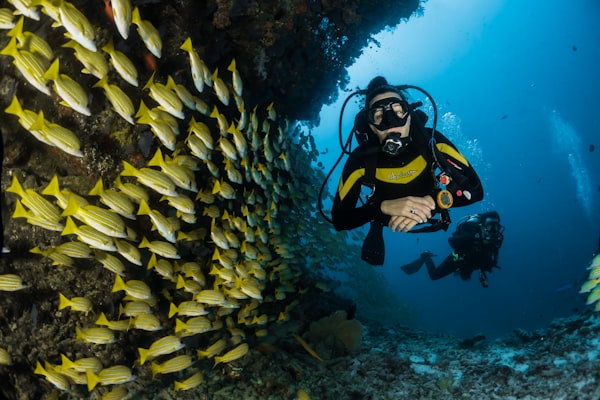
Getting certified abroad costs a fraction of home-country prices and puts your first real dives on coral reefs instead of quarry lakes. The Open Water certification — 3-4 days, theory plus confined-water skills plus four open-water dives — qualifies you to dive to 18 meters worldwide, for life.
PADI vs SSI matters less than people think: both are universally recognized; SSI courses often run 10-20% cheaper, PADI has marginally wider brand recognition. What actually matters is the dive shop — small groups (4 students max per instructor), well-maintained gear, and instructors who teach rather than process.
The great certification hubs: Koh Tao, Thailand is the world's certification factory ($250-350 all-in, easy conditions, huge competition keeping quality high). Utila and Roatán in Honduras own the Caribbean budget market ($300-380). Dahab, Egypt offers Red Sea clarity at similar prices, and Amed in Bali combines certification with wreck diving on the USAT Liberty.
Timing your course: book a morning theory/afternoon water schedule, skip alcohol the night before dives, and don't fly within 18-24 hours after your final dive — plan your certification at the start of a beach stay, not the end.
After certification, the Advanced Open Water (2 days, five adventure dives) unlocks 30-meter depths and the world's best sites: Sipadan, the Similan Islands, Komodo, and the Galápagos all reward the extra card.