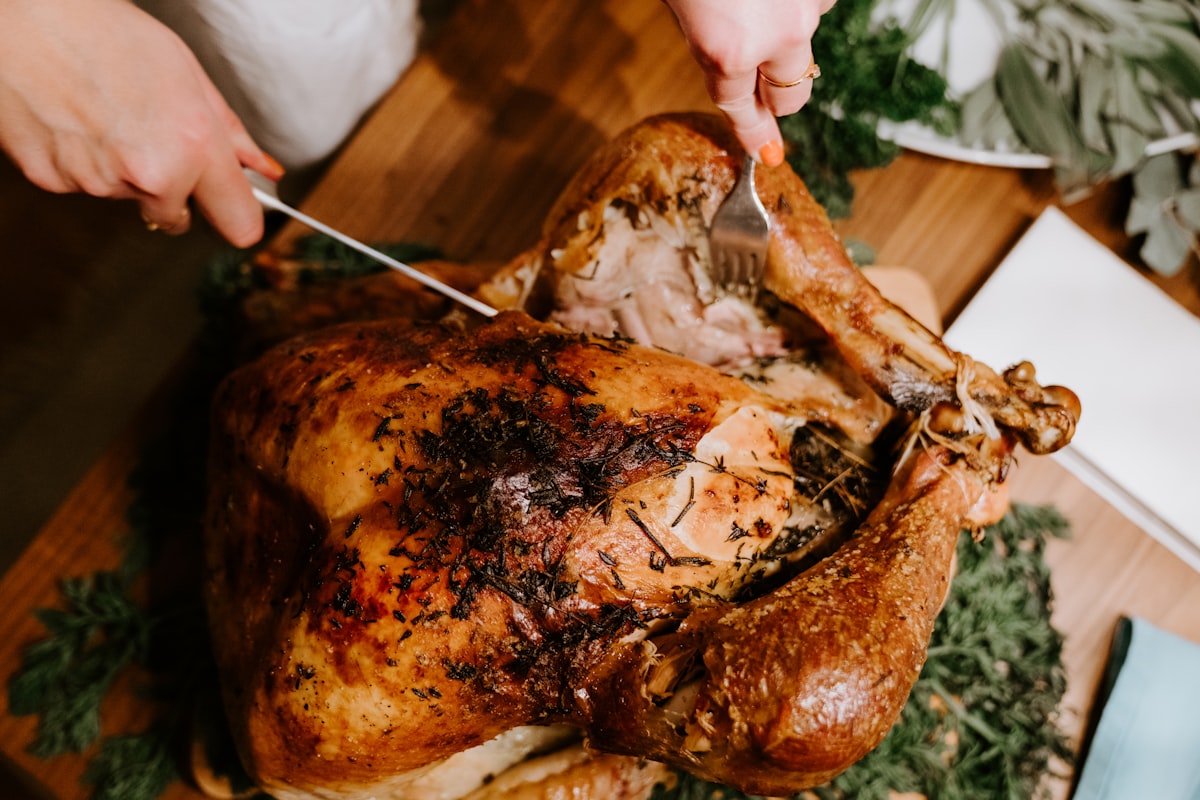
Thanksgiving is the busiest travel weekend of the year in the United States, and in 2026 it falls on Thursday, November 26. Canada celebrates its own Thanksgiving much earlier, on the second Monday of October — October 12 in 2026. The American story usually starts with Pilgrims and a turkey dinner, but the history is more complicated, and much of the modern holiday was shaped in the 19th and 20th centuries.
1621: The Harvest Feast at Plymouth
In the autumn of 1621, English colonists at Plymouth, in present-day Massachusetts, held a harvest celebration after their first successful growing season. They were joined by around 90 Wampanoag people, including their leader Massasoit. Contemporary accounts describe the Wampanoag hunting and bringing deer, and the colonists contributing wildfowl. The event lasted about three days. It was not called 'Thanksgiving' at the time, and its menu likely looked quite different from a modern Thanksgiving table.
A Patchwork of Days of Thanksgiving
For the next two centuries, days of thanksgiving were proclaimed locally and irregularly, often for specific events such as a good harvest or a military victory. George Washington issued a national thanksgiving proclamation in 1789, but there was no fixed annual holiday. Individual states set their own dates.
1863: Lincoln Makes It National
The writer and editor Sarah Josepha Hale campaigned for years for a national Thanksgiving. In October 1863, in the middle of the Civil War, President Abraham Lincoln proclaimed a national day of thanksgiving on the last Thursday of November. From then on, presidents proclaimed the holiday each year, almost always on the last Thursday of the month.
The 'Franksgiving' Controversy
In 1939, November had five Thursdays. President Franklin D. Roosevelt moved Thanksgiving a week earlier to lengthen the Christmas shopping season during the Depression. The change was unpopular, and for two years states celebrated on different dates — critics nicknamed the earlier date 'Franksgiving'. In 1941, Congress settled the matter by fixing Thanksgiving on the fourth Thursday of November, which is still the rule today.
A Holiday With More Than One Perspective
For many Native Americans, the arrival of English colonists marked the beginning of land loss, disease and conflict. Since 1970, a National Day of Mourning has been held on Thanksgiving Day at Plymouth, Massachusetts. Travellers visiting Plymouth will find that the living-history museum Plimoth Patuxet presents both the English colonial and the Wampanoag perspectives.
Travel tip: The days around Thanksgiving are among the busiest of the year for US air travel. Book flights early, fly on Thanksgiving Day itself or the Monday after for lower fares, and expect heavy traffic on the Wednesday before. If you want to see the Macy's Thanksgiving Day Parade in New York, arrive along the route very early in the morning.
Thanksgiving in Canada
Canada's Thanksgiving has separate roots and has been fixed on the second Monday of October since 1957. Its earlier date reflects Canada's shorter, earlier harvest season. For travellers, mid-October Thanksgiving coincides with peak autumn colour in Ontario and Quebec.
Frequently Asked Questions
When is Thanksgiving 2026?
US Thanksgiving is on Thursday, November 26, 2026. Canadian Thanksgiving is on Monday, October 12, 2026.
Why is Thanksgiving on a Thursday?
Lincoln's 1863 proclamation set the holiday on the last Thursday of November, continuing a long colonial habit of Thursday thanksgiving days. Congress fixed it on the fourth Thursday in 1941.
Who attended the 1621 harvest feast?
English colonists of Plymouth Colony and around 90 Wampanoag people, including their leader Massasoit.

Travel Guides Finder Editorial Team
Editorial Team
Articles on Travel Guides Finder are researched and written by our small editorial team. We check dates, prices and entry rules against official sources such as tourism boards, event organisers and government travel advice, and we update guides when those sources change. If you spot an error, please let us know through our contact page.