

Morocco is an intoxicating sensory overload. Within a single day, you can weave through the chaotic, 1,200-year-old medieval alleyways of Fes, drive past snow-dusted peaks in the High Atlas Mountains, and watch the sun sink beneath towering orange sand dunes in the Sahara Desert.
In 2026, traveling to Morocco is smoother than ever thanks to expanded high-speed rail lines (Al Boraq connecting Tangier, Rabat, and Casablanca) and a thriving eco-lodge and boutique riad scene. However, Morocco also carries a steep learning curve: navigating aggressive touts in the souks, understanding conservative cultural etiquette, and avoiding overpriced desert excursions require practical, on-the-ground knowledge.
Whether you want to sleep under a blanket of stars in Erg Chebbi, photograph the hypnotic blue streets of Chefchaouen, or feast on fragrant tagines in Marrakech, this comprehensive 2026 guide gives you the exact costs, itineraries, and insider tips you need.
## Morocco Travel at a Glance
**Best trip length:** 10 to 14 days for a classic imperial cities and desert route.
**Best time to visit:** Spring (March to May) and Autumn (September to November).
**Currency:** Moroccan Dirham (MAD). (Roughly $1 USD ≈ 10 MAD).
**Languages:** Moroccan Arabic (Darija), Berber (Tamazight), and French. English is widely spoken in hotels, restaurants, and tourist shops.
**Main airports:** Casablanca (CMN), Marrakech Menara (RAK), Fes-Saïss (FEZ), Tangier Ibn Battouta (TNG).
**Typical daily budget:** $35–$55 USD (Budget) / $90–$160 USD (Mid-Range) / $280–$600+ USD (Luxury).
**Best regions:** Marrakech, High Atlas Mountains, Sahara Desert (Merzouga), Fes, Chefchaouen.
**Best for:** Ancient medinas, desert glamping, Moorish architecture, world-class cuisine, photography.
---
Morocco Travel Facts
| Travel Factor | Information |
|---|---|
| Country | Kingdom of Morocco |
| Capital | Rabat (Largest city: Casablanca) |
| Currency | Moroccan Dirham (MAD / د.م.) |
| Time Zone | Western European Time (UTC +1) |
| Power Outlets | Type C and Type E (220V, European two-pin plugs) |
| Recommended Trip Length | 10 to 14 days |
| Tap Water | Not recommended to drink (stick to filtered or bottled water) |
---
How Much Does a Trip to Morocco Cost in 2026?
Morocco offers incredible value for money. Your accommodation dollar goes exceptionally far—often getting you a gorgeous, authentic riad with breakfast included for the price of a generic western budget hotel.
*(All estimates in USD. Based on 1 USD ≈ 10 MAD exchange rate.)*
Budget Traveler
Stays in social backpacker hostels or simple family-run *dars* ($15–$25/night). Eats at local market stalls where a steaming bowl of *harira* soup with dates costs $1 and a chicken tagine costs $4. Travels between cities using CTM or Supratours public buses.
Mid-Range Traveler
Stays in authentic boutique riads with interior courtyard gardens and plunge pools ($60–$120/night). Dines at atmospheric rooftop restaurants and traditional Moroccan bistros. Travels via first-class trains and takes a small-group 3-day/2-night desert excursion with private luxury tent camping.
Luxury Traveler
Stays in world-famous luxury palace hotels (such as La Mamounia or Royal Mansour in Marrakech) or exclusive desert lodges ($300–$700+/night). Uses private drivers and Mercedes vans for all intercity transfers and books private sunset camel treks with gourmet champagne dinners.
| Expense (Per Person / Day) | Budget | Mid-Range | Luxury |
|---|---|---|---|
| Accommodation | $15 – $25 | $60 – $120 | $250 – $600+ |
| Food & Drink | $8 – $15 | $25 – $50 | $80 – $180+ |
| Local Transportation | $5 – $12 | $15 – $35 | $60 – $120+ |
| Activities & Entry Tickets | $6 – $15 | $20 – $45 | $70 – $150+ |
| Shopping & Souvenirs | $5 – $10 | $15 – $30 | $40 – $100+ |
| Total Daily Cost | $39 – $77 | $135 – $280 | $500 – $1,150+ |
---
Best Time to Visit Morocco in 2026
Because Morocco stretches from the Atlantic coast across the snow-capped Atlas Mountains into the Saharan desert, seasons vary dramatically by elevation.
| Season | Months | Weather & Conditions | Best For |
|---|---|---|---|
| Spring (Peak) | March – May | Lush green valleys, pleasant 20–25°C temperatures across cities and desert. | Sightseeing, desert excursions, hiking |
| Autumn (Peak) | Sept – November | Cooling down after intense summer, warm desert nights, comfortable walking weather. | Marrakech, Fes, Sahara glamping |
| Winter (Shoulder) | Dec – February | Sunny, crisp days (15–18°C), freezing desert nights, snow in the High Atlas Mountains. | Budget travelers, photography, avoiding crowds |
| Summer (Low) | June – August | Oppressively hot (40°C+ / 105°F+) in Marrakech, Fes, and the Sahara. Coastal areas stay breezy. | Essaouira, Taghazout, surfing |
Ramadan Advisory (2026): Ramadan in 2026 takes place roughly between mid-February and mid-March. While visiting during Ramadan offers fascinating cultural immersion, many cafes and restaurants close during daylight hours, and business operating hours are shortened.
---
4 Best Places to Visit in Morocco
1. Marrakech: The Red City
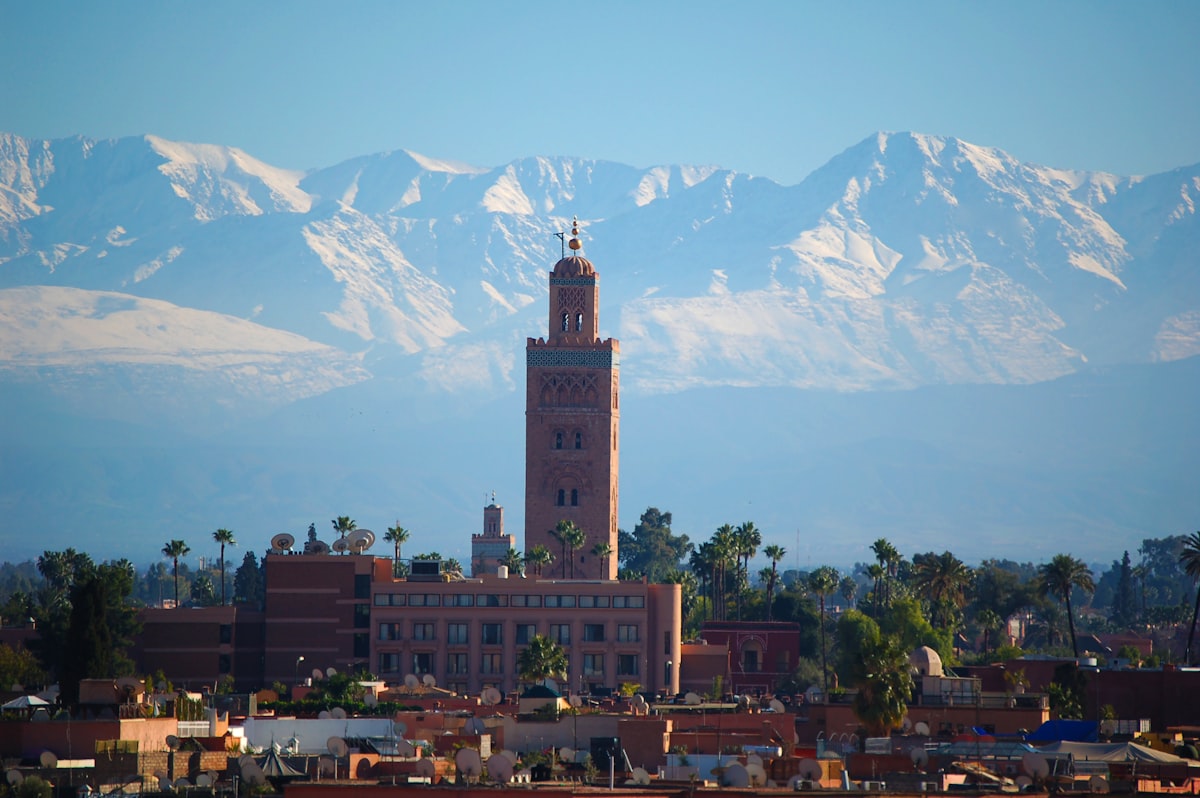
Why visit: The heartbeat of Moroccan tourism. A vibrant labyrinth of terracotta-walled souks, snake charmers, street food stalls in Jemaa el-Fnaa square, and tranquil palace gardens.
Top Attractions: Jemaa el-Fnaa, Bahia Palace, Jardin Majorelle & YSL Museum, Ben Youssef Madrasa, Koutoubia Mosque.
Recommended Stay: 3 to 4 days.
Practical Tip: Always stay inside the Medina in a traditional riad rather than a modern hotel in the new town (Gueliz). The peaceful oasis of a riad courtyard after a day in the bustling souks is an unforgettable Moroccan experience.
2. The Sahara Desert (Merzouga & Erg Chebbi)
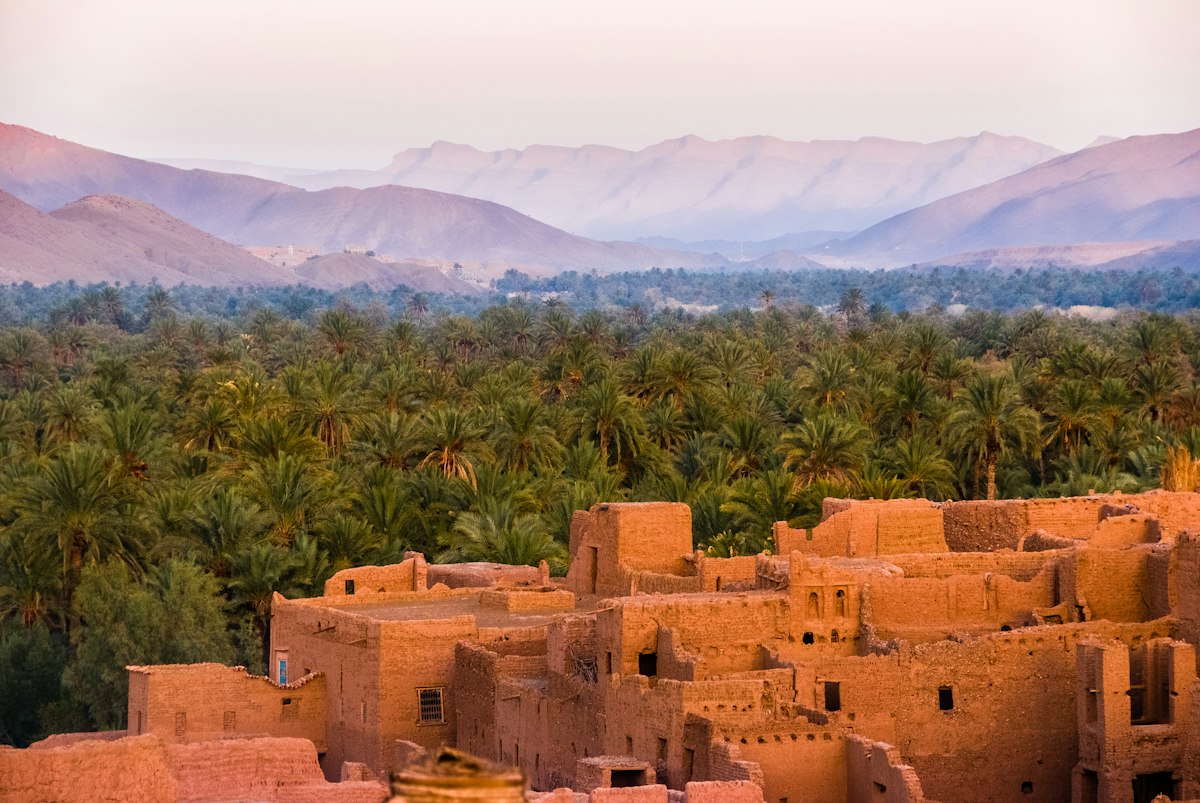
Why visit: Towering golden sand dunes rising up to 150 meters high. Watching the sunset from atop a sand dune and sleeping under the Milky Way in a luxury Berber tent is the ultimate bucket-list adventure.
Top Attractions: Camel trekking at sunrise/sunset, 4x4 dune bashing, stargazing, campfire Berber music.
Recommended Stay: 2 nights (allows for a full day in the desert without rushing).
Practical Tip: Avoid the 1-night desert tours from Marrakech; you will spend 9 hours driving each way just for a quick sleep. Choose a 3-day/2-night tour that stops at the dramatic Todra Gorge and Ait Benhaddou along the route.
3. Chefchaouen: The Blue Pearl
Why visit: Tucked into the dramatic Rif Mountains, Chefchaouen is famous worldwide for its enchanting medina painted in every conceivable shade of blue. It is noticeably quieter, cleaner, and more laid-back than Marrakech or Fes.
Top Attractions: The blue-washed alleyways, Plaza Uta el-Hammam, hike up to the Spanish Mosque for panoramic sunset views, Ras El Maa waterfall.
Recommended Stay: 1 to 2 days.
Practical Tip: Wake up at 7:30 AM to explore the medina. You will have the famous blue steps and photogenic doorways completely to yourself before day-trippers arrive at 11:00 AM.
4. Fes: The Medieval Cultural Heart
Why visit: Home to Fes el-Bali, the largest and oldest contiguous car-free urban pedestrian zone on Earth. Walking through its 9,000 winding alleys feels like stepping directly into the 12th century.
Top Attractions: Chouara Tannery (famous leather dye pits), Al-Qarawiyyin University (oldest continually operating university in the world), Bou Inania Madrasa.
Recommended Stay: 2 to 3 days.
Practical Tip: Do not attempt to navigate Fes medina using Google Maps; GPS signals bounce off high stone walls. Use the offline map app *Maps.me* or hire an official licensed guide for your first morning ($25–$35 for 4 hours).
---
7 Moroccan Foods You Must Try
Moroccan cuisine is a masterclass in balancing sweet, savory, and aromatic spices (saffron, cumin, cinnamon, paprika, and *Ras el Hanout*).
- Tagine: Slow-cooked stew prepared in a conical earthenware pot. Must-tries include Lamb with Prunes & Almonds and Chicken with Preserved Lemons & Green Olives.
- Couscous: Steamed semolina grains topped with seven vegetables and tender beef or chicken, traditionally eaten on Fridays after prayers.
- Pastilla (Bastilla): A savory-sweet pie made of ultra-thin layers of flaky pastry filled with spiced pigeon or chicken, crushed almonds, cinnamon, and powdered sugar.
- Harira: A hearty, fragrant tomato-based soup loaded with lentils, chickpeas, fresh herbs, and meat. Always served with sweet sticky dates and honeyed *chebakia* pastries.
- Zaalouk: A smoky cooked salad made from roasted eggplants, tomatoes, garlic, olive oil, and cumin, served as a dip with warm crusty bread (*khobz*).
- Moroccan Mint Tea ("Berber Whiskey"): Green tea brewed with heaps of fresh spearmint leaves and sugar, poured aerated from high above into small decorative glasses.
- Fresh Orange Juice: Squeezed fresh on street corners across Marrakech and Fes for just 5 to 10 MAD ($0.50 to $1.00 USD).
---
How to Get Around Morocco in 2026
| Transport Option | Best For | Speed & Comfort | Approximate Cost |
|---|---|---|---|
| Al Boraq (High-Speed Train) | Tangier ↔ Rabat ↔ Casablanca | Ultra-modern, 320 km/h, comfortable AC | $15 – $30 USD (First Class) |
| ONCF Standard Trains | Casablanca ↔ Marrakech ↔ Fes | Reliable, scenic, spacious seating | $10 – $22 USD |
| CTM & Supratours Buses | Routes without train lines (Chefchaouen, Essaouira) | High quality, AC, luggage handling | $8 – $18 USD |
| Grand Taxis (Shared or Private) | Short intercity hops and mountain routes | Mercedes sedans / minivans, point-to-point | $5 – $15/seat (Shared) or $40–$90 (Private) |
| Rental Car | South of Atlas (Dades Valley, coastal routes) | Total freedom, good road quality | $25 – $50/day |
---
Suggested 10-Day Classic Morocco Itinerary
This 10-day route links Morocco’s Imperial Cities, the Rif Mountains, and the Sahara Desert.
- Day 1: Arrive in Casablanca & Train to Chefchaouen. Visit the Hassan II Mosque on the Atlantic ocean, then take the train/bus north to Chefchaouen.
- Day 2: Chefchaouen. Spend the morning capturing the blue alleyways, hike to the Spanish Mosque for sunset.
- Day 3: Chefchaouen to Fes. Morning bus through the Rif Mountains to Fes. Check into a traditional riad in Fes el-Bali.
- Day 4: Fes. Explore the Chouara Tannery, Al-Qarawiyyin, and artisan brass and textile workshops with a guide.
- Day 5: Fes to Merzouga (Sahara Desert). Depart early through the Middle Atlas cedar forests (spot Barbary macaque monkeys) to the Erg Chebbi dunes. Sunset camel ride to your desert camp.
- Day 6: Sahara Desert to Dades Valley. Wake up for desert sunrise. Drive through the dramatic Todra Gorge and spend the night overlooking Dades Valley.
- Day 7: Dades Valley to Marrakech via Ait Benhaddou. Tour the UNESCO fortified clay village of Ait Benhaddou (filming site of *Gladiator* and *Game of Thrones*) before crossing the Tizi n'Tichka pass into Marrakech.
- Day 8: Marrakech. Visit Bahia Palace, Ben Youssef Madrasa, and shop in the vibrant souks.
- Day 9: Marrakech (Gardens & Hammam). Stroll Jardin Majorelle, experience a traditional Moroccan hammam bath, and enjoy a farewell dinner in Jemaa el-Fnaa.
- Day 10: Depart. Fly out of Marrakech Menara Airport (RAK).
---
Morocco Visa & Entry Requirements (2026 Update)
- Visa-Free Entry: Citizens of the United States, Canada, the United Kingdom, Australia, New Zealand, and all European Union countries can enter Morocco visa-free for up to 90 days.
- Passport Validity: Your passport must be valid for at least 6 months beyond your planned date of departure.
- Entry Forms: Arrival and departure landing cards are no longer required at major international airports. Stamping is quick and electronic.
---
Safety, Scams & Culture: What Every Traveler Must Know
- Touts and False Guides: In Marrakech and Fes medinas, young men will frequently tell you "that road is closed" or "the mosque is shut today" to divert you toward their family's leather tannery or carpet shop. Politely say *"La, Shukran"* (No, thank you) and keep walking confidently.
- Dress Code: Morocco is a Muslim country. While tourist cities like Marrakech are modern, dressing respectfully is appreciated. Both men and women should keep shoulders and knees covered when exploring medinas and rural towns.
- Haggling in the Souks: In the markets, initial asking prices are often inflated by 50% to 70%. Bargaining is expected and should always remain friendly and humorous. Decide what an item is worth to you before quoting a price.
- Currency Exchange: The Moroccan Dirham is a closed currency; you cannot easily buy it outside Morocco. Use bank ATMs upon arrival at the airport or in city centers. Carry cash everywhere, as small shops and taxis rarely accept credit cards.
---
FAQ
1. Is Morocco safe for solo travelers and female travelers?
Yes. Violent crime against tourists is extremely rare. However, female travelers may experience persistent verbal catcalling in bustling medinas. Wearing sunglasses, dressing modestly, staying in central medina riads, and walking with purpose minimizes unwanted attention.
2. How much cash should I carry in Morocco?
Credit cards are accepted in high-end hotels, upscale restaurants, and modern supermarkets. However, street food vendors, local taxis, souk merchants, and riad tips all require cash. Keep 300 to 500 MAD ($30–$50 USD) in small denominations on you daily.
3. Do I need to book a Sahara desert tour in advance?
Yes, especially between October and April. Booking a reputable 3-day tour online in advance ensures you get a licensed driver, safe vehicle, and an authentic luxury camp with private en-suite bathrooms rather than a budget camp with communal facilities.
4. What is the difference between a Hotel and a Riad?
A hotel is a standard multi-story building. A riad is a historic Moroccan townhouse or mansion centered around an open-air interior courtyard with fountains, trees, and intricate plasterwork. Riads offer far more charm, personalized home-cooked breakfasts, and authentic hospitality.
5. Can you drink alcohol in Morocco?
Yes. While Morocco is an Islamic country, alcohol is legal and available in licensed restaurants, bars, international hotels, and select supermarket chains (such as Carrefour). It is not sold in traditional medina stalls.
6. Do people speak English in Morocco?
French and Moroccan Arabic (Darija) are the primary spoken languages. However, in major tourist hubs (Marrakech, Fes, Chefchaouen, Essaouira), nearly all hotel staff, tour guides, and shopkeepers speak conversational English.
7. How much should I tip in Morocco?
Tipping (*baksheesh*) is deeply ingrained in Moroccan culture. Leave 10% in sit-down restaurants, 5–10 MAD for cafe drinks, 10–20 MAD per bag for riad porters, and 50–100 MAD per day for private drivers or tour guides.
---
Alex Reynolds
Verified ExpertTravel Writer & Expert
Sheraz is a passionate world traveler and the founder of Travel Guides Finder. With years of experience exploring diverse cultures, tasting authentic cuisines, and navigating complex visa requirements, he curates expert guides to help you travel smarter and safer.


