
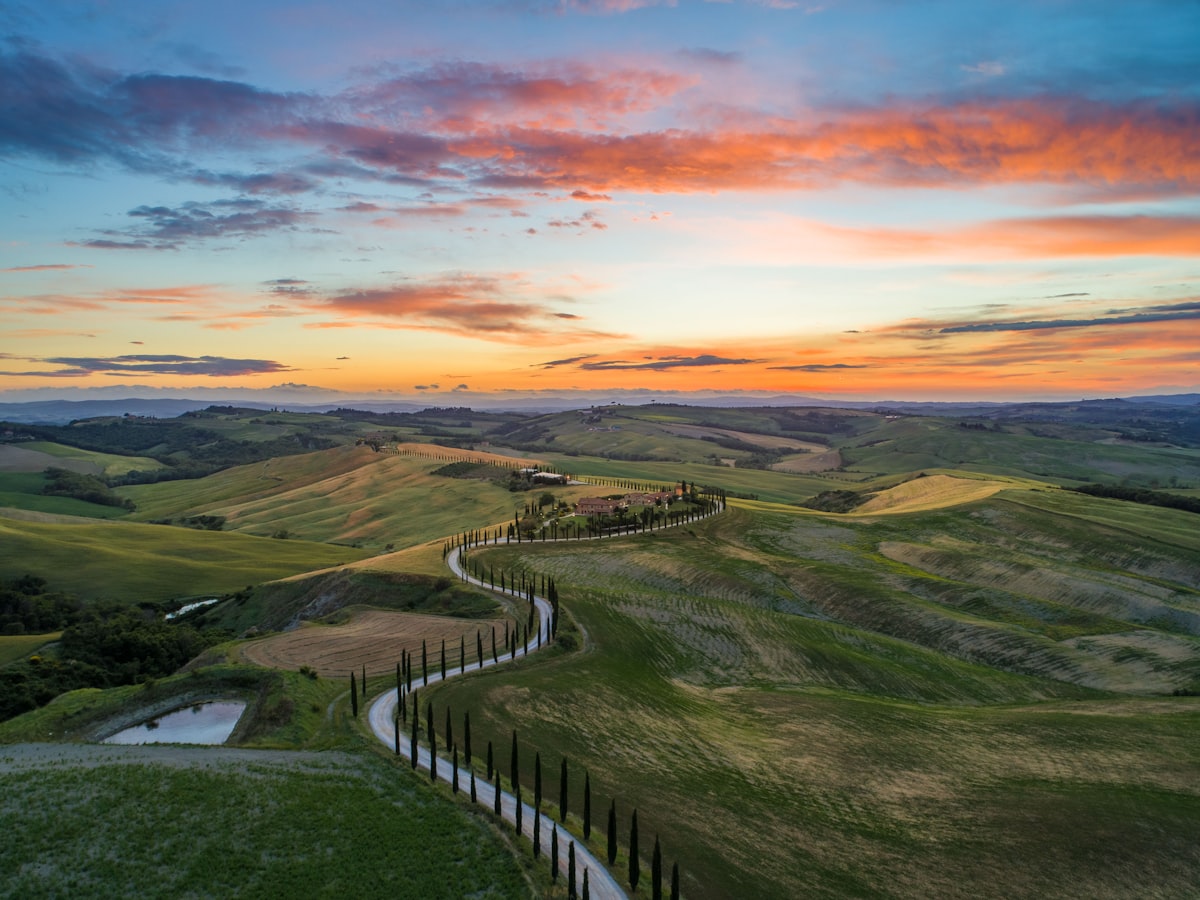

Matera is a city unlike any other in Italy—or the world. Located in the remote Basilicata region, it is famous for its 'Sassi', an intricate network of cave dwellings carved directly into the limestone cliffs. Once considered the 'shame of Italy' due to extreme poverty, Matera has undergone a miraculous renaissance to become a UNESCO World Heritage site and, in 2019, a European Capital of Culture.
What makes it worth prioritising now is that the crowds still haven't caught up with the reputation. While Rome, Florence, and the Amalfi Coast strain under peak-season visitor numbers, Matera's remote position in Italy's instep means you can still wander the Sassi at golden hour with the alleyways largely to yourself.
A City Carved in Stone
Walking through Matera feels like stepping back in time. The city is believed to have been inhabited since the Paleolithic era, making it one of the oldest continuously inhabited settlements on Earth. The Sassi districts—Sasso Caveoso and Sasso Barisano—are a labyrinth of alleys, staircases, and hidden courtyards that reveal breathtaking views at every turn.
Matera Quick Facts
- Best time to visit: May, June, September, and October to avoid the intense summer heat.
- Getting there: Fly into Bari (BRI) and take a 1-hour shuttle bus or train.
- Where to stay: For the full experience, book a 'cave hotel' in the Sassi district.
- Must-try food: Pane di Matera (traditional local bread) and peperoni cruschi (crispy peppers).
Top Things to Do in Matera
1. Sleep in a Cave Hotel
You can't visit Matera without spending the night in a restored cave. Many of the ancient dwellings have been transformed into luxurious boutique hotels. Sleeping under vaulted stone ceilings is a truly unforgettable and atmospheric experience.
2. Explore Casa Noha
To truly appreciate Matera, you must understand its history. Casa Noha, run by the Italian Environment Fund (FAI), offers a deeply moving multimedia exhibit projected onto the walls of a 16th-century house. It tells the story of the city's dark past, the mass evacuations of the 1950s, and its eventual rebirth.
3. Visit the Rupestrian Churches
Hidden within the caves are over 150 'rupestrian' (rock-cut) churches, many featuring beautifully preserved Byzantine frescoes dating back to the 8th century. Santa Maria de Idris, perched dramatically on a rock outcropping, is one of the most spectacular.
Hiking the Murgia National Park
For the most iconic panoramic view of Matera, you need to hike across the ravine into the Murgia Materana Park. A suspension bridge crosses the Gravina river, leading you to ancient caves used by shepherds and breathtaking vantage points that are especially magical at sunset when the city lights up like a nativity scene.
Photography Tip
Matera is incredibly photogenic, but the best light is during the 'blue hour' just after sunset. Head to the Piazza Giovanni Pascoli viewpoint to capture the entire Sassi district glowing warmly against the twilight sky.
Best Time to Visit Matera
The shoulder seasons—April to June and September to October—are comfortably the best windows. Spring brings wildflowers to the Murgia plateau across the ravine, while early autumn keeps the long evenings without the heat.
July and August are worth avoiding if you have any flexibility. Matera is built entirely from pale limestone, and the stone absorbs and radiates heat all day, so the Sassi stay noticeably hotter than the surrounding countryside well into the evening. The staircase-heavy layout means there is no version of sightseeing here that doesn't involve constant climbing, which compounds the problem. Winter is quiet and atmospheric but many cave interiors are cold and damp, and some smaller sites reduce their hours.
Getting There & Getting Around
Matera has no airport of its own and, unusually for an Italian city of its profile, no mainline national rail station. The standard approach is to fly into Bari Karol Wojtyła Airport (BRI), roughly 65 km away, then take a direct shuttle bus or the regional Ferrovie Appulo Lucane train, both of which take around an hour. Naples is the other common gateway, about three hours by bus.
On the Ground
- Leave the car outside the Sassi: the historic districts are pedestrian labyrinths of stairs and narrow lanes. Park in the upper modern town (Piano) and walk down.
- Pack proper shoes, not sandals: the limestone steps are polished smooth by centuries of use and get genuinely slippery when wet.
- Book cave hotels early for shoulder season: the Sassi have a hard ceiling on room supply, and the best-restored properties fill months ahead for May and September.
- Budget more walking time than distances suggest: two points can be 200 metres apart on a map and still involve several flights of stairs in between.
Frequently Asked Questions (FAQ) — Visiting Matera
How many days do you need in Matera?
Two nights is the sweet spot. That gives you a full day for the Sassi districts and the rupestrian churches, an evening for the blue-hour views, and a half day to hike across the ravine into the Murgia park. A single night works if you're passing through from Bari, but you'll miss the sunset and sunrise light that make the city memorable.
Is Matera worth visiting compared to Rome or Florence?
It offers something neither can: an intact prehistoric cave city you can sleep inside. Matera isn't a substitute for Italy's art capitals—it has far fewer museums and no comparable galleries—but as a two-night detour it delivers a landscape and atmosphere you won't find anywhere else in Europe.
Can you sleep in a real cave in Matera?
Yes. Many of the original Sassi dwellings have been restored into boutique cave hotels, ranging from simple rooms to high-end suites with vaulted stone ceilings and original rock walls. They are the defining accommodation experience here and should be booked well in advance for shoulder-season dates.
How do you get to Matera without a car?
Fly into Bari (BRI) and connect by direct shuttle bus or the Ferrovie Appulo Lucane regional train, each taking roughly an hour. Once you arrive, a car is more hindrance than help—the Sassi are entirely pedestrian.

Travel Guides Finder Editorial Team
Editorial Team
Articles on Travel Guides Finder are researched and written by our small editorial team. We check dates, prices and entry rules against official sources such as tourism boards, event organisers and government travel advice, and we update guides when those sources change. If you spot an error, please let us know through our contact page.


