In Mexico, Christmas begins well before December 25. For nine nights, from December 16 to 24, families and neighbourhoods hold Las Posadas — processions, songs, prayers and parties that re-enact Mary and Joseph's journey to Bethlehem and their search for a place to stay. Posada means inn or lodging in Spanish. The nine nights are often said to represent the nine months of Mary's pregnancy.
Where Did Las Posadas Begin?
Las Posadas grew out of colonial-era Mexico. Tradition credits Augustinian friars at the monastery of San Agustín de Acolman, near Mexico City, with holding special Christmas Masses between December 16 and 24 in the late 16th century; the often-repeated detail that they received papal permission in 1586 is widely cited but not firmly documented. Historians also point to older Spanish religious plays used to teach Bible stories, and some suggest the friars deliberately placed the celebrations close to existing Indigenous festivities in December. The observance began in churches, later moved into haciendas and homes, and had taken on much of its modern form by the 19th century.
What Happens Each Night
A procession of 'pilgrims' (peregrinos), often carrying candles and sometimes accompanied by children dressed as Mary, Joseph, angels and shepherds, walks to a chosen house. The group outside sings a verse asking for shelter, and the people inside answer in song, refusing them. This sung exchange, known as pedir posada, continues until the hosts finally recognise the travellers and open the door. Everyone then goes inside for prayers, carols and a party. Each night a different family usually acts as host.
The Piñata
Breaking a piñata is one of the highlights of a posada. The traditional Mexican piñata is a star with seven points, and a widely shared religious interpretation says the points represent the seven deadly sins, the blindfold represents faith and the stick represents virtue, with the sweets and fruit inside as the reward. Acolman, where the posadas tradition is said to have begun, also promotes itself as a birthplace of the Mexican piñata and holds a piñata fair in December.
Food and Drink
- Ponche navideño: a hot Christmas fruit punch made with fruits such as tejocote, guava and sugar cane, flavoured with cinnamon.
- Tamales: steamed corn dough parcels with sweet or savoury fillings, a staple of Christmas gatherings.
- Buñuelos: thin fried dough discs, often drizzled with syrup.
- Atole and champurrado: warm, thick corn-based drinks; champurrado is made with chocolate.
- Aguinaldos: small bags of sweets, fruit and peanuts handed out to children.
Posadas Today
Today many 'posadas' are simply Christmas parties held by offices, schools and groups of friends in the weeks before Christmas, sometimes with only a short nod to the traditional procession. Traditional neighbourhood posadas with the full song and procession are still common, especially in smaller towns and in central and southern Mexico. The tradition is also celebrated in other Latin American countries and in Mexican-American communities in the United States.
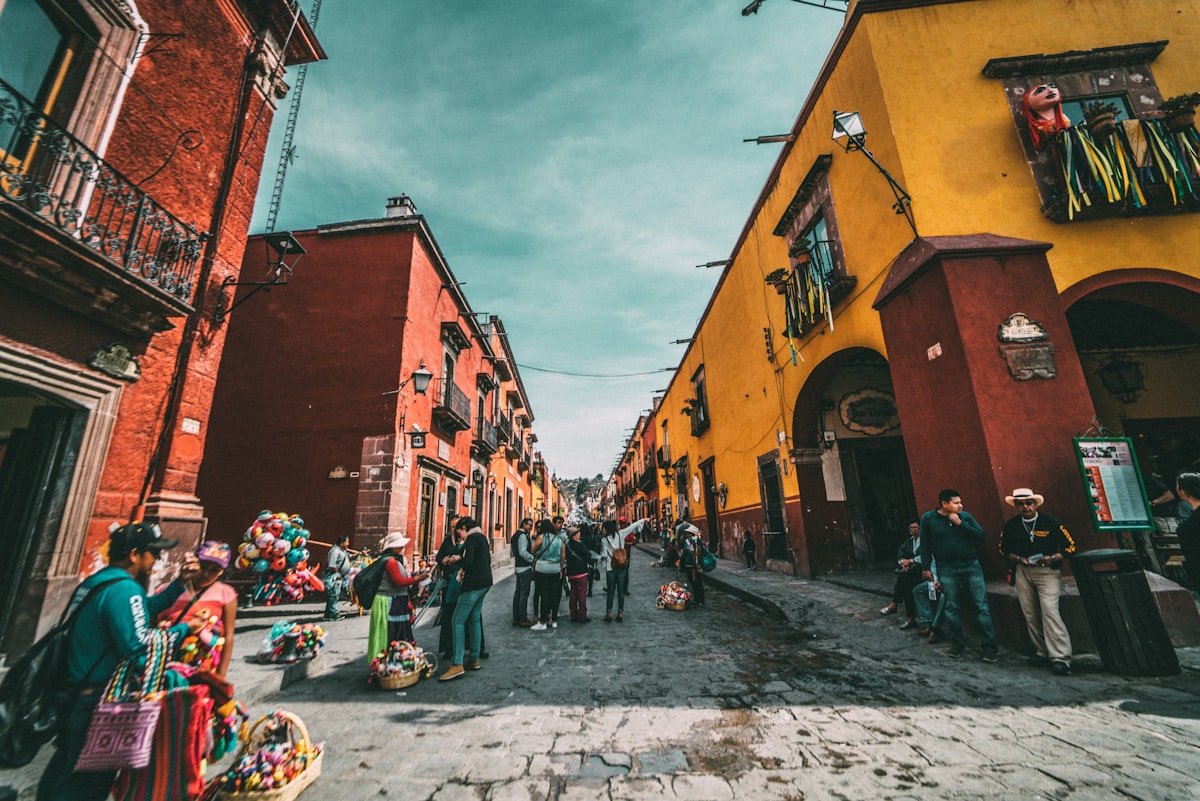
Travel tip: If you are in Mexico between December 16 and 24, ask your hotel, guesthouse or local church whether there is a public posada nearby. San Miguel de Allende, Oaxaca and many towns around Mexico City are known for neighbourhood processions. Be respectful: join in the singing if invited, and don't treat a family's religious procession as a photo opportunity.
Frequently Asked Questions
When is Las Posadas?
Every year from December 16 to December 24, ending on Christmas Eve (Nochebuena).
What does posada mean?
Posada means inn or lodging in Spanish, referring to Mary and Joseph's search for a place to stay in Bethlehem.
Why does the Mexican piñata have seven points?
According to a widely shared religious interpretation, the seven points represent the seven deadly sins that are broken by faith and virtue.

Travel Guides Finder Editorial Team
Editorial Team
Articles on Travel Guides Finder are researched and written by our small editorial team. We check dates, prices and entry rules against official sources such as tourism boards, event organisers and government travel advice, and we update guides when those sources change. If you spot an error, please let us know through our contact page.