

Few places on Earth feel as raw, untamed, and otherworldly as Iceland. Known as the "Land of Fire and Ice," this North Atlantic volcanic island is a landscape of stark contrasts: colossal glaciers carving through active volcanic valleys, thundering waterfalls roaring over mossy cliffs, steaming geothermal hot springs, and black basalt sand beaches battered by the North Atlantic ocean.
In 2026, traveling to Iceland continues to evolve. While it remains one of the world's most rewarding self-drive road trip destinations, it is also notoriously expensive. With solar activity fueling spectacular Northern Lights (Aurora Borealis) displays and rising demand for flexible campervan travel, smart planning and strict budget management are essential to exploring Iceland without draining your bank account.
Whether you are driving the legendary 828-mile (1,332 km) Ring Road, soaking in mineral-rich geothermal lagoons, or hunting the Northern Lights in winter, this comprehensive 2026 guide breaks down exact costs, driving rules, and route itineraries.
## Iceland Travel at a Glance
**Best trip length:** 7 days (South Coast & Golden Circle) or 10 to 14 days (Full Ring Road).
**Best time to visit:** June to August for 24-hour Midnight Sun and open highland roads; September to April for Northern Lights hunting.
**Currency:** Icelandic Króna (ISK / kr). (Iceland is essentially a 100% cashless society; cards and mobile pay are used everywhere).
**Language:** Icelandic. English is spoken with near-native fluency across the entire country.
**Main airport:** Keflavík International Airport (KEF - located 45 minutes from Reykjavík).
**Typical daily budget:** $90–$140 USD (Campervan/Budget) / $220–$380 USD (Mid-Range Rental Car & Hotels) / $600–$1,200+ USD (Luxury).
**Best regions:** The South Coast, Golden Circle, Snæfellsnes Peninsula, Diamond Circle (North Iceland), The Eastfjords.
**Best for:** Self-drive road trips, Northern Lights, glacier hiking, waterfalls, geothermal hot springs, volcanic landscapes.
---
Iceland Travel Facts
| Travel Factor | Information |
|---|---|
| Country | Republic of Iceland |
| Capital | Reykjavík (Home to 60% of the national population) |
| Currency | Icelandic Króna (ISK / kr) |
| Time Zone | Greenwich Mean Time (UTC +0 - No daylight saving time) |
| Power Outlets | Type C and Type F (230V, European standard 2-pin plugs) |
| Recommended Trip Length | 7 to 10 days |
| Tap Water | 100% pure and delicious (Straight from natural glaciers; never buy bottled water!) |
---
How Much Does a Trip to Iceland Cost in 2026?
There is no getting around it: Iceland is one of the most expensive destinations on the planet due to high import costs and standard of living. However, renting a campervan and cooking your own meals can slash your travel expenses by more than 50%.
*(All estimates in USD, based on $1 USD ≈ 138 ISK exchange rate.)*
Budget / Campervan Traveler
Rents a 2-person campervan that doubles as transport and lodging ($90–$160/day). Sleeps at official campsites equipped with hot showers and kitchen facilities ($15–$20/night per person). Buys 100% of groceries at discount supermarkets (*Bónus* or *Krónan*), cooks simple pastas and sandwiches, drinks tap water, and sticks to free natural attractions (waterfalls, beaches, and national parks).
Mid-Range Traveler
Rents a comfortable 2WD car or small 4x4 SUV ($60–$110/day). Stays in cozy 3-star country hotels, guesthouses, or farm-stays ($160–$260/night with breakfast). Mixes grocery lunches with casual dining at local gas station grills, fish & chips shacks, and traditional soup restaurants ($25–$45 per meal). Books 2–3 bucket-list paid excursions (e.g., glacier hike, Sky Lagoon entry).
Luxury Traveler
Rents a premium 4x4 luxury SUV (like a Land Cruiser or Defender). Stays in architecturally stunning design lodges (such as The Retreat at Blue Lagoon or Ion Adventure Hotel at $600–$1,500+/night). Dines at high-end Nordic fine-dining restaurants in Reykjavík, books private Superjeep glacier tours, and takes helicopter sightseeing flights over volcanic craters.
| Expense (Per Person / Day) | Budget (Campervan) | Mid-Range (Hotels & Car) | Luxury (Premium) |
|---|---|---|---|
| Accommodation / Campsite | $15 – $25 | $90 – $160 | $350 – $800+ |
| Vehicle Rental & Fuel (Shared for 2) | $55 – $90 | $45 – $80 | $120 – $250+ |
| Food & Groceries | $15 – $25 | $50 – $90 | $140 – $300+ |
| Activities & Lagoon Entries | $10 – $25 | $40 – $80 | $120 – $300+ |
| Parking Fees & Tunnel Tolls | $5 – $10 | $8 – $15 | $15 – $30+ |
| Total Daily Cost | $100 – $175 | $233 – $425 | $745 – $1,680+ |
---
Best Time to Visit Iceland in 2026
There is no single "best" time to visit Iceland; it depends entirely on whether your priority is endless summer daylight or winter auroras.
| Season | Months | Weather, Daylight & Auroras | Best For |
|---|---|---|---|
| Summer (Peak) | June – August | 12–18°C, 20–24 hrs daylight (Midnight Sun), zero snow on main roads, Highlands (F-Roads) open. | Full Ring Road, hiking, puffin watching, camping |
| Shoulder Season | May & September | 6–12°C, 12–14 hrs daylight, crisp air, autumn colors in Sept + Northern Lights return. | Lower crowds, cheaper campervan rates, photography |
| Winter (Aurora Season) | October – April | -3 to 3°C, 4–6 hrs daylight, snow/ice, frequent Northern Lights (Aurora Borealis). | Northern Lights, ice caving, geothermal lagoons |
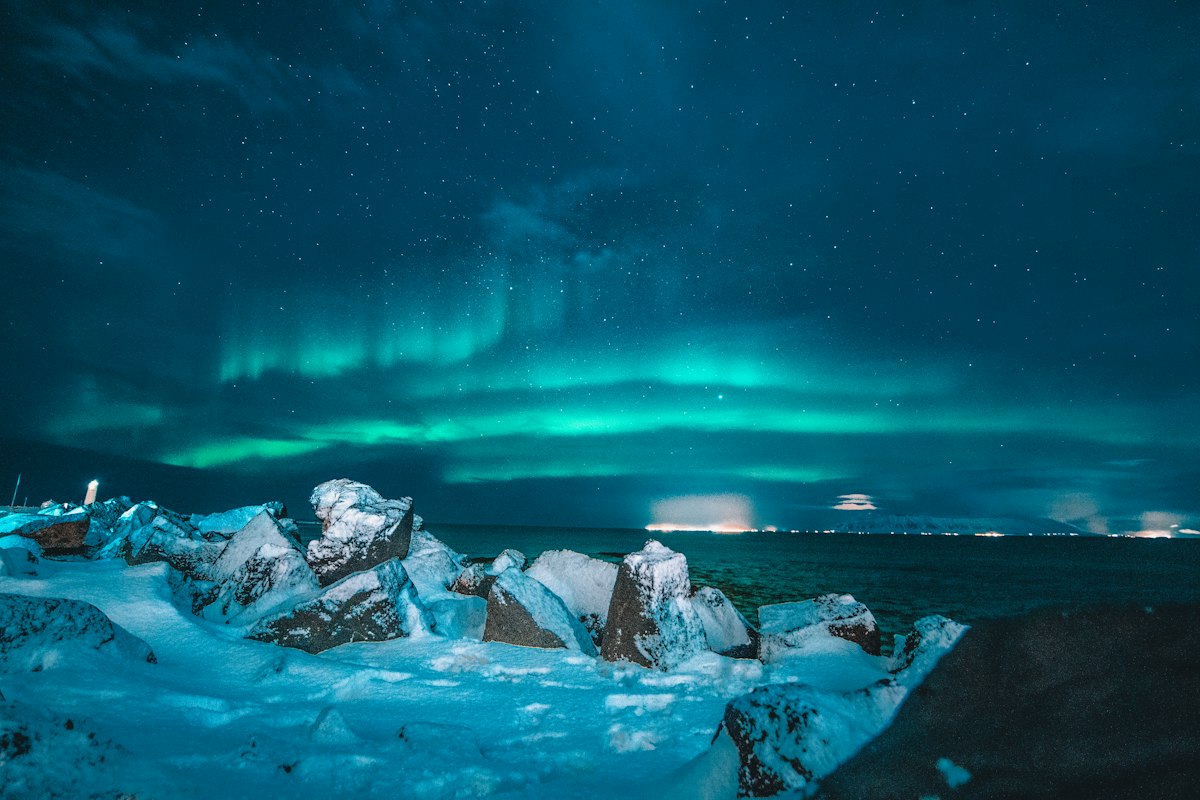
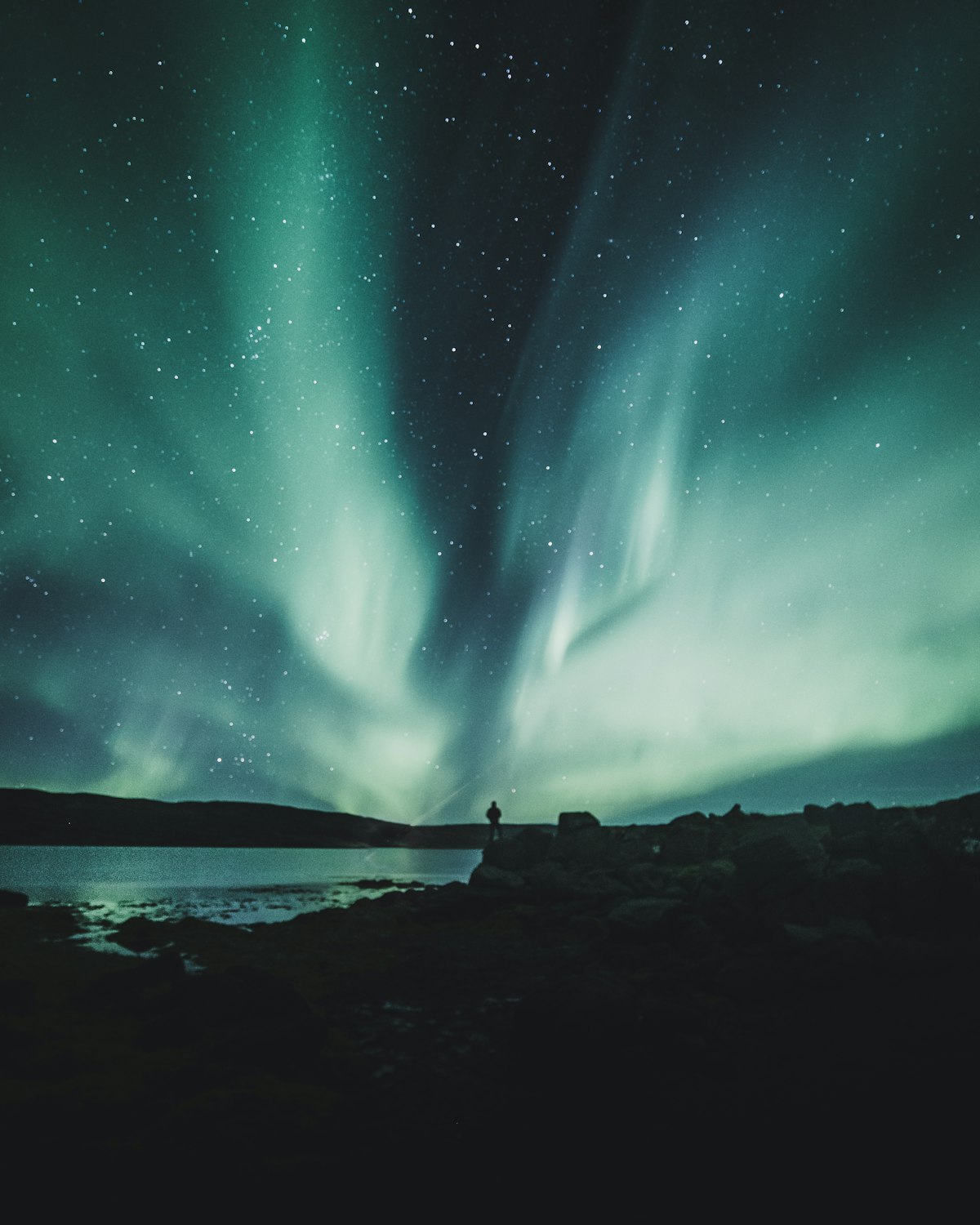
The 2026 Solar Maximum Bonus: The sun is currently at the peak of its 11-year solar cycle (Solar Maximum), producing unusually intense geomagnetic storms. This makes 2026 one of the most vibrant years in a decade for witnessing vivid green, pink, and purple Northern Lights displays across Iceland.
---
4 Best Places to Visit in Iceland
1. The Golden Circle & Thingvellir National Park
Why visit: Iceland's most famous tourist route, easily completed in a single day from Reykjavík. Marvel at the tectonic rift between North America and Eurasia, erupting geysers, and roaring waterfalls.
Top Attractions: Thingvellir National Park (walk between continental tectonic plates and snorkel the crystal Silfra fissure), Geysir Geothermal Area (Strokkur erupts every 6–10 minutes), and the mighty two-tiered Gullfoss waterfall.
Recommended Stay: 1 full day.
Practical Tip: Add the nearby Kerið Crater Lake and soak at the historic Secret Lagoon (Gamla Laugin) in Flúðir to escape the massive tour bus crowds at Gullfoss.
2. The South Coast: Waterfalls & Black Sand Beaches
Why visit: One of the most scenic driving stretches on the planet. Packed with iconic waterfalls you can walk behind, towering glacier tongues, and dramatic sea stacks.
Top Attractions: Seljalandsfoss (waterfall you can walk behind), Skógafoss (60-meter roaring cascade), Reynisfjara Black Sand Beach (famous basalt columns and dangerous sneaker waves), Dyrhólaey lighthouse arch.
Recommended Stay: 2 days.
Practical Tip (Critical Safety): At Reynisfjara Black Sand Beach, never turn your back on the ocean. Deadly "sneaker waves" surge far higher up the sand than normal waves and can pull unsuspecting tourists into freezing currents within seconds. Always obey the digital safety warning lights at the entrance.

3. Jökulsárlón Glacier Lagoon & Diamond Beach
Why visit: Massive, luminous blue icebergs break off the Breiðamerkurjökull glacier and float silently through a deep lagoon before washing up onto a jet-black volcanic shoreline.
Top Attractions: Zodiac or amphibian boat tours between floating icebergs, seal spotting in the lagoon, photographing ice crystals glistening like diamonds on Diamond Beach.
Recommended Stay: 1 to 2 days (located in Southeast Iceland).
Practical Tip: Visit at sunrise or sunset. The golden light passing through transparent ice blocks resting on the black sand produces world-class photographs.
4. Snæfellsnes Peninsula: "Iceland in Miniature"
Why visit: Located just 2 hours northwest of Reykjavík, this peninsula packs every quintessential Icelandic landscape into a compact loop: volcanoes, glacier-capped peaks, lava fields, sea cliffs, and photogenic fishing hamlets.
Top Attractions: Kirkjufell mountain and waterfall (the most photographed mountain in Iceland), Arnarstapi sea cliffs and stone bridge, Djúpalónssandur black pebble beach, Búðir black wooden church.
Recommended Stay: 1 to 2 days.
Practical Tip: If you only have 4–5 days in Iceland and don't have time for the full 10-day Ring Road, combining the Golden Circle, South Coast, and Snæfellsnes Peninsula gives you the complete Iceland experience.
---
6 Icelandic Foods You Must Try (And What to Skip!)
Icelandic cuisine revolves around grass-fed lamb, fresh Atlantic cod and Arctic char, and dairy products.
- Icelandic Lamb Stew (Kjötsúpa): A comforting, hearty traditional soup packed with tender lamb chunks, rutabagas, potatoes, carrots, and herbs. Often comes with free refills at cozy countryside cafes.
- Icelandic Hot Dog (Pylsur): Made from a blend of lamb, pork, and beef. Order it *"eina með öllu"* (one with everything)—served in a warm bun with crispy fried onions, raw onions, sweet brown mustard (*pylsusinnep*), and creamy remoulade. The famous *Bæjarins Beztu Pylsur* stand in Reykjavík serves them for just $4.50 USD.
- Skyr: A thick, protein-rich cultured dairy product that looks and tastes like Greek yogurt but is technically a fresh cheese. Pick up cups for $1.50 at Bónus grocery stores for quick road trip breakfasts.
- Fresh Arctic Char & Langoustines: Melt-in-your-mouth pan-fried Arctic char served with dill butter, or garlic-baked buttered langoustine tails in the fishing village of Höfn.
- Rúgbrauð (Geothermal Rye Bread): A dense, dark, slightly sweet rye bread traditionally baked in a pot buried underground near geothermal hot springs for 24 hours. Eaten warm with salted butter.
- Hákarl (Fermented Shark - What to Skip!): Fermented Greenland shark meat with an overwhelming ammonia smell and taste. Only recommended as a dare for adventurous foodies accompanied by a shot of *Brennivín* ("Black Death" schnapps)!
---
How to Get Around Iceland in 2026
| Transport Option | Best For | Pros & Flexibility | Approximate Cost |
|---|---|---|---|
| Campervan (2WD or 4x4) | Budget travelers & adventurous couples | Accommodation + car in one; total schedule freedom | $90 – $180/day (Includes heating & cooking kit) |
| Rental 2WD Car | Summer Ring Road & Golden Circle | Fuel efficient, easy to drive | $40 – $75/day |
| Rental 4x4 SUV (Duster, RAV4, Land Cruiser) | Winter travel, rough gravel, Highlands F-Roads | Higher clearance, required by law for F-roads, winter safety | $70 – $140/day |
| Guided Minibus Tours | Solo travelers who don't want to drive in snow | Stress-free, includes guide & hotel pickups | $90 – $160 per day tour |
---
Suggested 10-Day Classic Iceland Ring Road Itinerary
This classic counter-clockwise route circles the entire 828-mile island along Route 1.
- Day 1: Arrive Keflavík & The Golden Circle. Pick up rental car/campervan. Explore Thingvellir, Geysir, and Gullfoss. Soak in the Secret Lagoon.
- Day 2: South Coast Waterfalls & Black Sands. Walk behind Seljalandsfoss, explore Skógafoss, and watch the waves at Reynisfjara. Stay in Vík.
- Day 3: Canyons & Glacier Lagoons. Hike Fjaðrárgljúfur canyon. Explore the floating icebergs at Jökulsárlón and Diamond Beach. Stay in Höfn.
- Day 4: The Dramatic Eastfjords. Drive through winding coastal fjords, tranquil fishing villages (Seyðisfjörður), and spot wild reindeer.
- Day 5: Lake Mývatn & Volcanic Wonders. Drive to North Iceland. Explore Dettifoss (Europe's most powerful waterfall), Hverir bubbling mud pools, and soak in Mývatn Nature Baths.
- Day 6: Akureyri & Whale Watching. Visit Goðafoss waterfall ("Waterfall of the Gods"). Explore Akureyri (capital of the North) and take a whale-watching boat tour in Húsavík.
- Day 7: North Coast to Snæfellsnes. Drive through the rolling valleys of Northwest Iceland into the Snæfellsnes Peninsula.
- Day 8: Snæfellsnes Peninsula. Photograph Kirkjufell mountain and waterfall, explore Arnarstapi sea cliffs, and visit the black church of Búðir.
- Day 9: Reykjavík & Sky Lagoon. Drive to Reykjavík. Explore Hallgrímskirkja church, stroll the colorful Laugavegur street, and experience the 7-step ritual at Sky Lagoon.
- Day 10: Blue Lagoon & Depart. Soak in the milky-blue geothermal waters of the Blue Lagoon near the airport before your flight home from Keflavík (KEF).
---
Driving Rules, F-Roads & Safety in Iceland
- Monitor Road Conditions Daily: Weather in Iceland changes in minutes. Before starting your car each morning, check `road.is` (live road conditions, snow, closures) and `vedur.is` (official weather and wind alerts).
- Highland F-Roads Require 4x4: Roads marked with an "F" (like F208) are unpaved, rugged highland tracks with unbridged river crossings. Driving a 2WD vehicle on F-roads is illegal and voids all insurance.
- Never Off-Road: Driving off marked roads is strictly illegal in Iceland. Vehicle tracks destroy fragile volcanic moss and subarctic soil that takes decades to recover, resulting in thousands of dollars in police fines.
- Watch Car Doors in High Wind: Icelandic wind gusts can exceed 50–70 mph. Always hold car doors with two hands when opening them to prevent the wind from bending them backwards off their hinges.
---
FAQ
1. How many days do you need to drive the full Ring Road?
You need a minimum of 8 to 10 days to complete the full 828-mile (1,332 km) Ring Road comfortably. Attempting it in under 7 days requires 6+ hours of driving daily without enough time to hike, explore, or adjust for bad weather delays.
2. Blue Lagoon vs Sky Lagoon: Which is better?
Choose Sky Lagoon for an adults-oriented, oceanfront infinity pool overlooking the North Atlantic with an authentic 7-step Nordic bathing ritual, located just 15 minutes from downtown Reykjavík. Choose Blue Lagoon for the iconic milky-cyan silica mud experience set in rugged black lava fields near Keflavík airport.
3. Do I need cash in Iceland?
No. Iceland is a 100% cashless country. Everything from $4 hot dogs to public campsite showers and parking meters is paid via contactless credit/debit card or Apple/Google Pay. You do not need to exchange a single physical króna.
4. When is the best time to see the Northern Lights?
The Northern Lights are visible between mid-September and mid-April, when the skies are dark enough. In 2026, the ongoing Solar Maximum ensures frequent, intense aurora storms. You need three things: dark skies, clear weather (low cloud cover), and solar geomagnetic activity (check the aurora forecast on `vedur.is`).
5. How do I save money on food in Iceland?
Buy your groceries at Bónus (the discount supermarket with the famous yellow pig logo) or Krónan. Cooking your own meals and making sandwiches for daytime road trips saves over $50–$100 USD per person per day compared to eating in restaurants.
6. Can you drink the tap water in Iceland?
Yes! Tap water in Iceland is among the purest and cleanest on Earth, filtered naturally through volcanic basalt rock for decades. Never purchase plastic bottled water; bring a reusable water bottle and fill it from any tap.
7. Is a 4x4 car mandatory for Iceland?
A 4x4 is not mandatory if you are traveling along the paved Ring Road (Route 1) and Golden Circle in summer (June to August). However, a 4x4 is strongly recommended for winter travel (October to April) and is legally required if you plan to drive on interior Highland "F-Roads".
---
James Harrow
Verified ExpertTravel Writer & Expert
Sheraz is a passionate world traveler and the founder of Travel Guides Finder. With years of experience exploring diverse cultures, tasting authentic cuisines, and navigating complex visa requirements, he curates expert guides to help you travel smarter and safer.


