
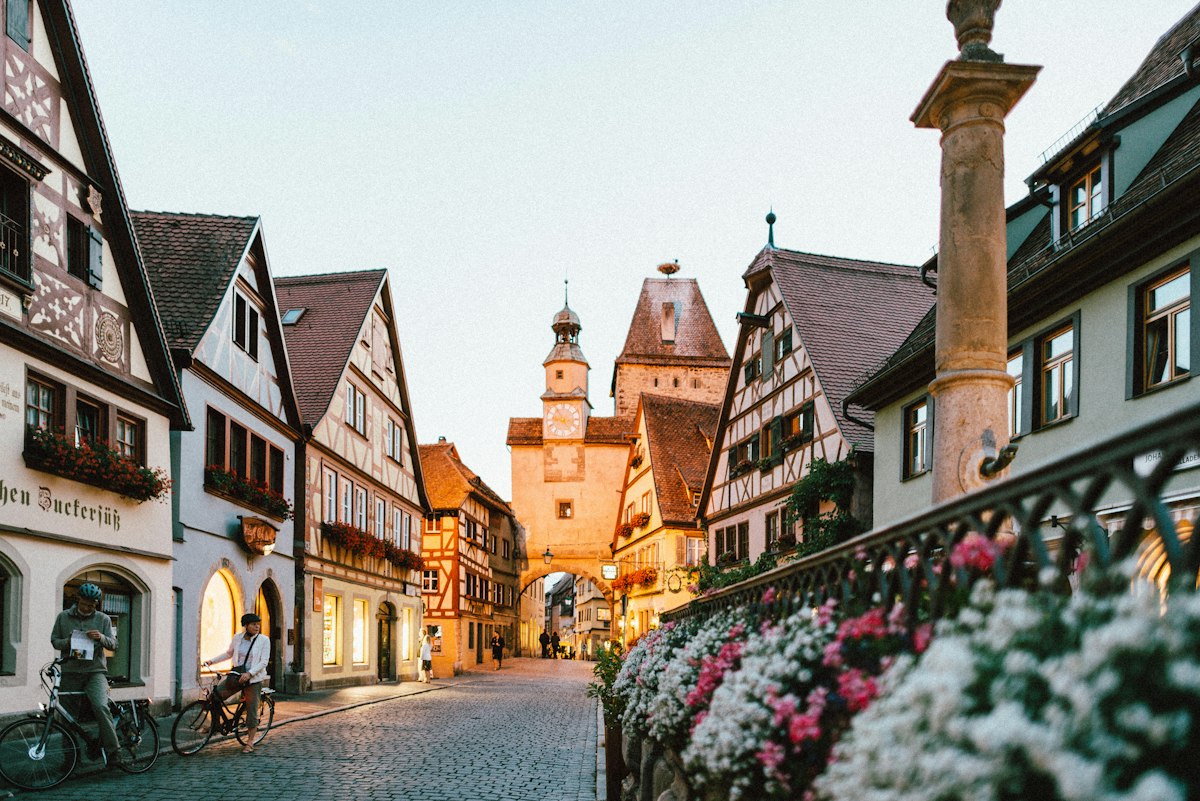

Europe is home to some of the world's most iconic destinations—Paris, Rome, Barcelona. But as these major cities grapple with overtourism, savvy travelers are seeking out the continent's lesser-known treasures. From fairy-tale villages in the Balkans to pristine coastlines in the Mediterranean, here are 10 hidden gems in Europe you need to visit before the secret gets out.
1. Plovdiv, Bulgaria
As one of the oldest continuously inhabited cities in Europe, Plovdiv boasts a rich history spanning over 6,000 years. Its beautifully preserved Old Town, ancient Roman amphitheater, and vibrant arts district (Kapana) make it a cultural powerhouse that remains surprisingly affordable and uncrowded.
2. The Azores, Portugal
Often referred to as the 'Hawaii of Europe,' this autonomous archipelago in the mid-Atlantic offers dramatic volcanic landscapes, lush green pastures, crater lakes, and natural hot springs. It's an eco-tourism paradise perfect for hiking, whale watching, and escaping the hustle of mainland Europe.
3. Kotor, Montenegro
Tucked away in a secluded part of the Gulf of Kotor, this fortified town is surrounded by imposing limestone cliffs. Its winding streets, medieval architecture, and stunning bay views rival those of the Norwegian fjords, minus the freezing temperatures.
4. Matera, Italy
Famous for its ancient cave dwellings (Sassi) carved into the rocky hillside, Matera is one of the most unique cities in Italy. Once considered the shame of the country due to poverty, it has transformed into a thriving cultural hub with luxury cave hotels and incredible restaurants, yet it still flies under the radar for many tourists. Note that it has neither an airport nor a mainline train station — most visitors connect from Bari, about an hour away.
5. Puglia, Italy
While the Amalfi Coast absorbs the crowds, the heel of Italy's boot quietly offers a better version of the same idea. Alberobello's conical-roofed trulli houses look invented, Ostuni gleams white on its hilltop, and Polignano a Mare's old town sits directly on limestone cliffs above swimmable coves. The food is the real argument: orecchiette with turnip tops, burrata from Andria, and some of the cheapest good seafood in the country.
6. Ghent, Belgium
Bruges takes the day-trip coaches; Ghent keeps the students. The result is a medieval core — Gravensteen castle, the guild houses along the Graslei waterfront — that still functions as a real, slightly scruffy university city rather than a museum piece. St Bavo's Cathedral holds the Van Eyck brothers' Ghent Altarpiece, one of the most significant paintings in European art, usually with a fraction of the queue you'd face for comparable works elsewhere.
7. Lake Bled, Slovenia
Yes, it appears on postcards, but Bled stays remarkably manageable outside July and August. A church sits on an island in the middle of the lake, reached by hand-rowed pletna boats, with a clifftop castle watching over it. Walk the 6 km shoreline loop early, eat a slab of kremšnita (the local cream cake), and use the town as a base for Vintgar Gorge and the wilder Julian Alps behind it.
8. Colmar, France
Alsace's half-timbered houses lean over canals in a quarter locals call Petite Venise, in a town that has spent centuries changing hands between France and Germany and cooks accordingly. It anchors the Alsace Wine Route, so Riesling and Gewürztraminer producers sit within a short drive, and the Christmas markets in December are among the most atmospheric in Europe.
9. Girona, Spain
An hour north of Barcelona by train, Girona offers much of what draws people to Catalonia with none of the strain. Pastel houses hang over the Onyar river, the cathedral's single-nave interior is the widest Gothic nave in the world, and El Call is one of the best-preserved Jewish quarters in Europe. Game of Thrones filmed here, which brought visitors without ever really denting the pace of the place.
10. Sintra, Portugal
Sintra's problem is that everyone treats it as a half-day trip from Lisbon, which is exactly why staying overnight transforms it. The hilltop is a collection of romantic follies — the custard-and-crimson Pena Palace, the ruined Moorish castle walls, and Quinta da Regaleira with its spiral initiation well descending into the rock. Book palace entry slots in advance; they sell out, and the 434 bus up the hill is a genuine bottleneck at midday.
How to Plan These Trips
- Travel in the shoulder seasons — May to June or September to October — for the best weather, the lowest prices, and noticeably thinner crowds.
- Rent a car for regions rather than cities: the Azores, Puglia, and Montenegro's coast all reward it, while Ghent, Girona, and Colmar are better walked.
- Stay overnight in the places most people day-trip to. Sintra, Kotor, and Bled all empty out after about 5pm, which is when they're at their best.
- Book timed-entry tickets ahead for the few genuine bottlenecks — Pena Palace in Sintra and the Ghent Altarpiece viewing among them.
Exploring these hidden gems not only provides a more authentic and relaxing travel experience, but it also helps distribute tourism revenue to emerging economies. For your 2026 travel plans, consider skipping the usual capitals and diving deep into the untouched beauty of these remarkable locations.

Travel Guides Finder Editorial Team
Editorial Team
Articles on Travel Guides Finder are researched and written by our small editorial team. We check dates, prices and entry rules against official sources such as tourism boards, event organisers and government travel advice, and we update guides when those sources change. If you spot an error, please let us know through our contact page.


