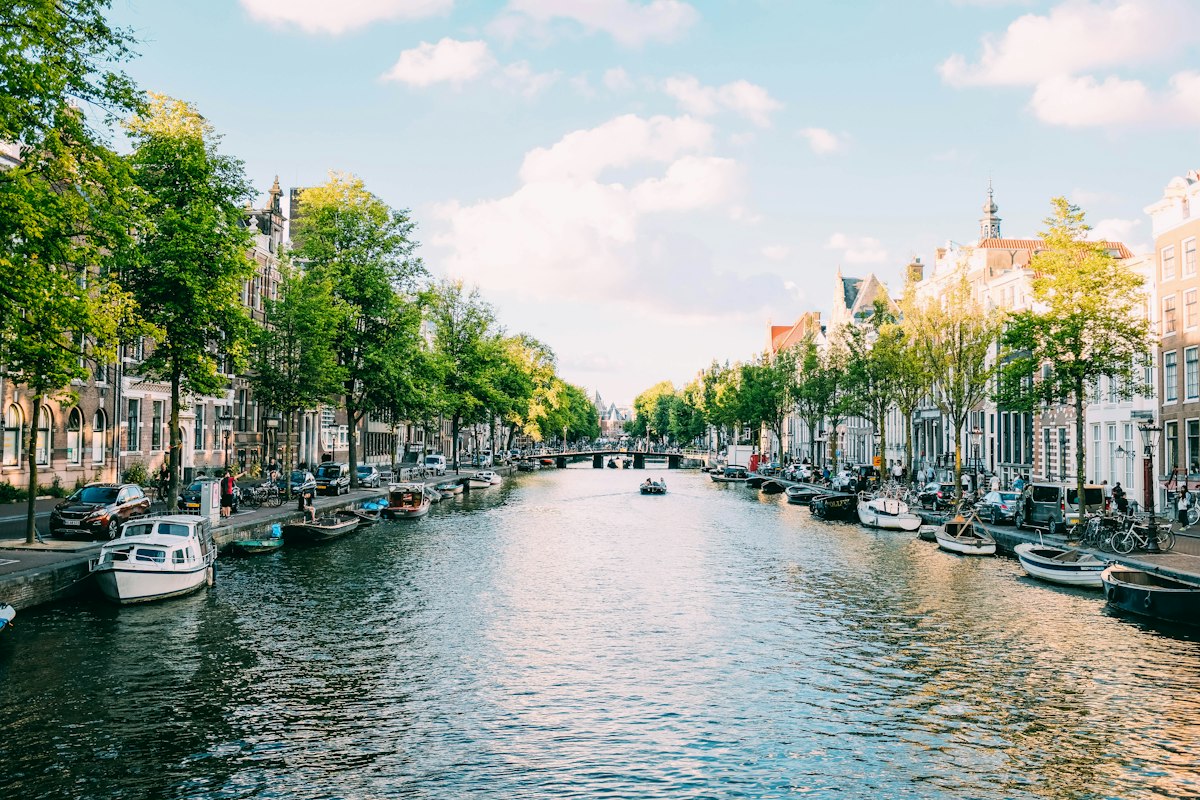


When travelers think of Belgium, they usually think of Brussels for business, or Bruges for medieval romance. But sitting perfectly between the two is Ghent—a city that boasts all the historical charm of Bruges, but with a vibrant, lived-in, university-town atmosphere.
Ghent is a city of canals, cobblestones, and castles, but it doesn't feel like a museum. It feels young, energetic, and wildly underrated.
Top Sights in Ghent
- Gravensteen (Castle of the Counts): A massive, imposing medieval fortress sitting right in the center of the city. The audio guide is famously hilarious and informative.
- Graslei and Korenlei: These two streets line the main canal in the city center and feature stunning guild houses. Sitting here with a Belgian beer on a summer evening is perfection.
- The Adoration of the Mystic Lamb: Housed in St. Bavo's Cathedral, this 15th-century masterpiece by the Van Eyck brothers is one of the most important paintings in European history.
- Patershol: The medieval culinary heart of the city. Its winding cobblestone streets are packed with incredible restaurants serving everything from traditional Flemish stew to high-end global cuisine.
- Saint Michael's Bridge: The single best view in Ghent, lining up the towers of St Bavo's, the Belfry and St Nicholas' Church in one row. Come back after dark, when the whole centre is deliberately and beautifully lit.
- Werregarenstraat (Graffiti Alley): A narrow lane where street art is explicitly legal and repainted constantly, so it looks different every few weeks.
The Ghent Altarpiece Deserves Its Own Visit
It's easy to treat the Adoration of the Mystic Lamb as one more cathedral stop, but it's arguably the most consequential painting in Northern European art — an early-15th-century work whose oil technique and realism changed what painting could do. It has also been stolen, dismantled, and fought over more than almost any artwork in history, seized during the French Revolution and again by the Nazis, and recovered from an Austrian salt mine at the end of the Second World War.
The panel that never came back
One panel, the Just Judges, was stolen in 1934 and has never been recovered. What hangs in its place today is a copy painted in the 1940s. The theft remains one of Europe's great unsolved art crimes, and the cathedral makes no attempt to hide the replacement — it's part of the story. Book your visit slot online in advance; entry is timed and it does sell out in summer.
Getting There
Ghent is remarkably easy to reach. Trains from Brussels take around 30 minutes, and from Bruges around 25, which means Ghent works as a day trip from either — though it's a better base than either for a longer stay. Trains arrive at Gent-Sint-Pieters station, which sits a little outside the historic centre; tram 1 covers the gap in about 10 minutes and runs frequently. The medieval core itself is compact, largely car-free, and best walked.
What to Eat and Drink
Ghent Specialities
- Gentse waterzooi: The city's signature dish — chicken or fish in a creamy broth with vegetables. Comfort food built for Belgian weather.
- Cuberdons (neuzekes): Cone-shaped purple sweets with a firm shell and a syrupy centre, sold from street carts. They don't travel or keep well, which is precisely why they're a local thing.
- Tierenteyn mustard: Sold from a shop near the Groentenmarkt that has been making it since 1790, ladled from a wooden barrel into a stoneware pot. Sharp enough to clear your sinuses.
- Vegetarian food: Ghent has an unusually strong meat-free scene for a Belgian city, dating to a municipal 'Veggie Thursday' campaign, and many restaurants keep genuinely good vegetarian options rather than an afterthought salad.
Frequently Asked Questions (FAQ) — Ghent
Is Ghent better than Bruges?
They offer different things. Bruges is more uniformly picture-perfect and better preserved as a set piece, but it receives enormous day-trip volumes and can feel staged. Ghent has comparable medieval architecture with a large student population living in it, so it stays a working city with real nightlife and restaurants. If you want postcard perfection, choose Bruges; if you want atmosphere without the crowds, choose Ghent. They're 25 minutes apart, so you don't strictly have to choose.
How many days do you need in Ghent?
One full day covers the main sights — Gravensteen, St Bavo's and the Altarpiece, the Graslei waterfront and Patershol for dinner. Two days lets you slow down, add the Belfry and a canal boat, and see the centre properly lit at night, which is when Ghent is at its best.
Can you visit Ghent as a day trip from Brussels?
Yes, comfortably — trains take about 30 minutes and run frequently throughout the day. That said, staying overnight is a meaningfully different experience, because the evening illumination of the historic centre and the Patershol restaurant scene are both things day-trippers miss.
When is the best time to visit Ghent?
May to September gives the best chance of sitting out on the Graslei, with long evenings and mild weather. The ten-day Gentse Feesten in July is one of Europe's largest city festivals and transforms the centre — brilliant if you want it, worth avoiding if you came for quiet medieval streets. December brings Christmas markets and the winter light displays.

Travel Guides Finder Editorial Team
Editorial Team
Articles on Travel Guides Finder are researched and written by our small editorial team. We check dates, prices and entry rules against official sources such as tourism boards, event organisers and government travel advice, and we update guides when those sources change. If you spot an error, please let us know through our contact page.