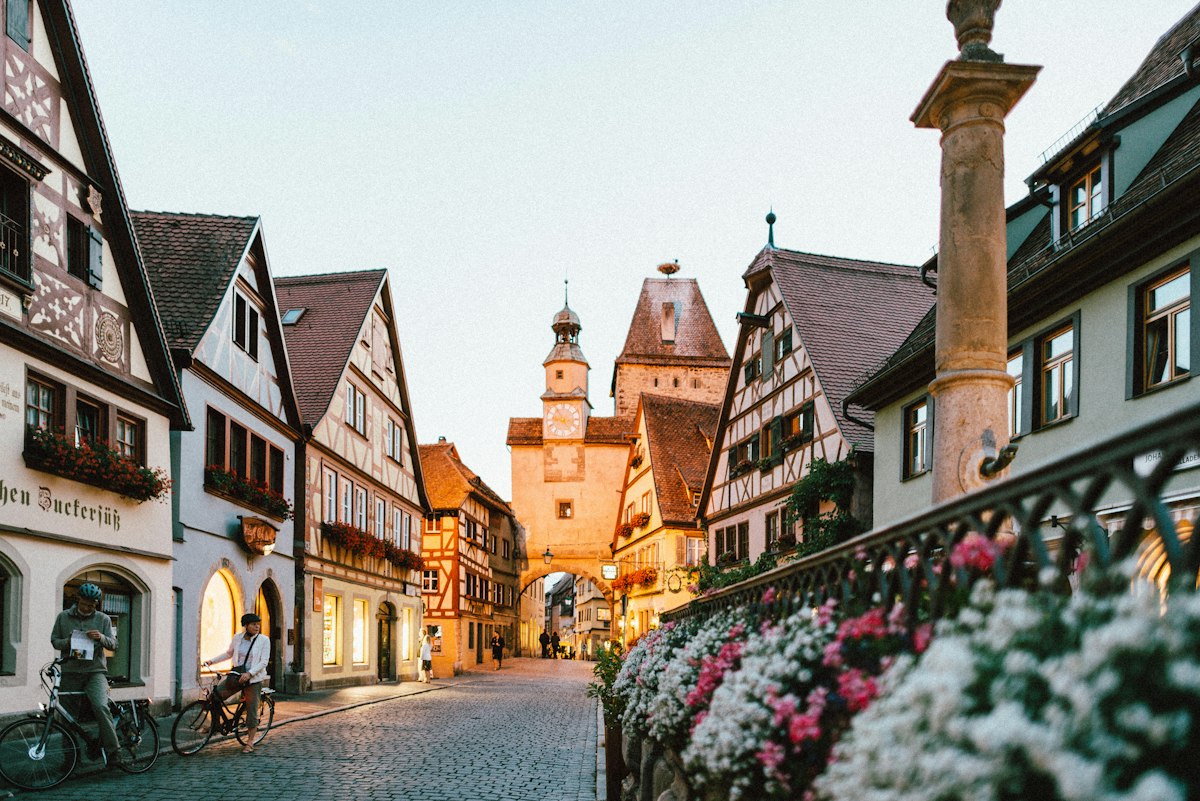
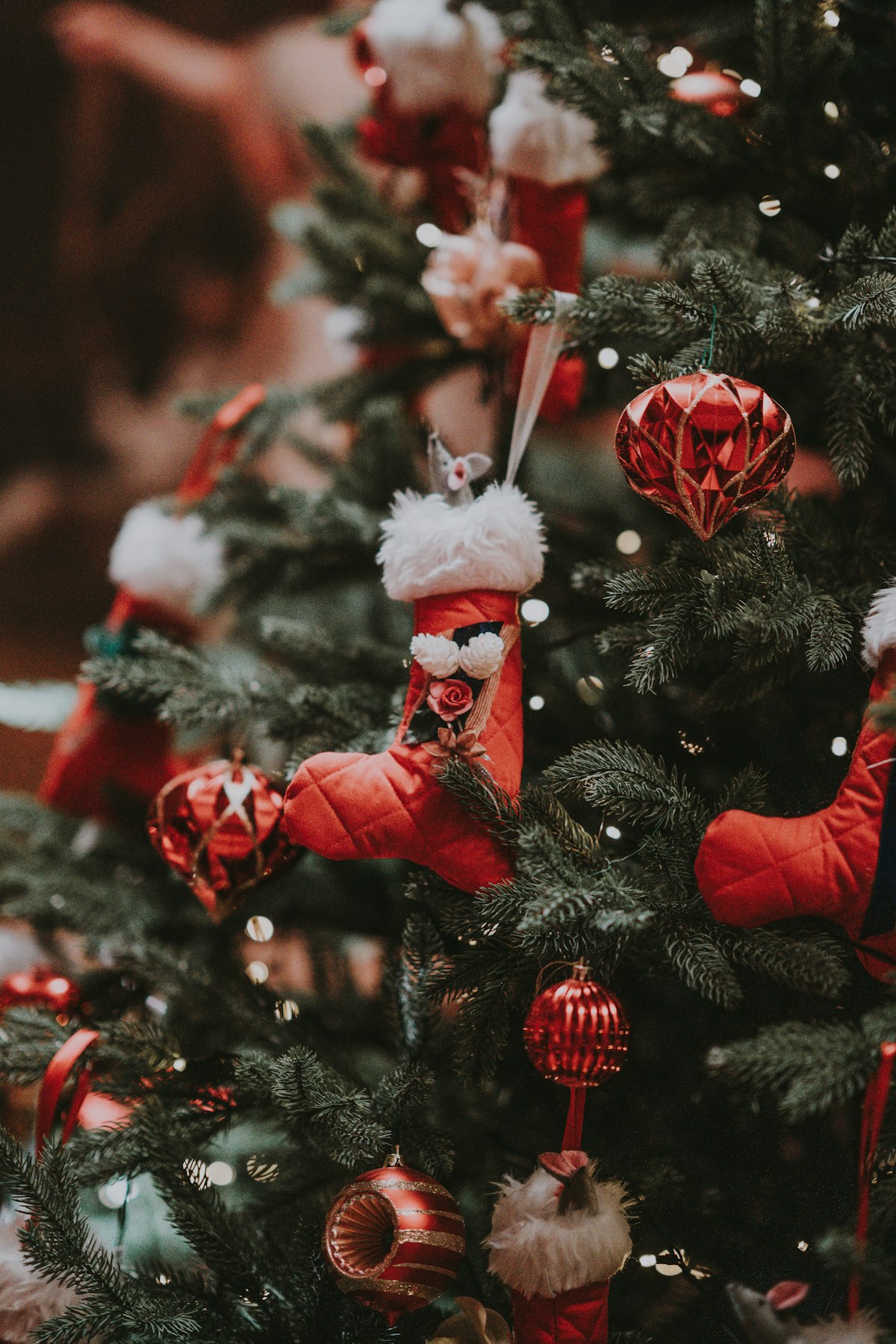
Wooden huts, mulled wine, gingerbread and carols under strings of lights — the Christmas market is now a fixture in cities from Strasbourg to Seoul. But the tradition began in the German-speaking world, and its earliest records are far more practical than romantic. If you are planning a trip for this December, October is the right time to book, because the most famous markets fill hotels months ahead.
Dresden 1434: A Market for the Christmas Meal
Dresden's Striezelmarkt is generally regarded as the oldest documented Christmas market, first mentioned in 1434 under Friedrich II, Elector of Saxony. It began as a single-day market on the Altmarkt square, held on the Monday before Christmas, where townspeople could buy meat for their Christmas meal after the Advent fast. Its name comes from Strüzel, an old word for the fruit loaf now known worldwide as Stollen — still the market's signature product.
Nuremberg and the Christkind
Nuremberg's Christkindlesmarkt is the other great name in Christmas market history. It is believed to date to the mid-16th century, although the earliest surviving written evidence comes from the 17th century. Its name refers to the Christkind, the gift-bringing Christ Child promoted after the Reformation as an alternative to St Nicholas. Today the market is opened each year by a young person chosen to play the Christkind, who gives a prologue from the balcony of the Frauenkirche. Nuremberg is also famous for Lebkuchen, its spiced gingerbread, and for small Nuremberg sausages.
From Local Markets to a European Tradition
For centuries, markets like these were local winter fairs selling food, toys and tools for the season. During the 19th and 20th centuries they became more festive and more central to Christmas in German-speaking countries, and after the Second World War many were revived as symbols of civic life. From the 1990s onwards, German-style markets spread rapidly across Europe and beyond — today cities such as Strasbourg, Vienna, Prague, Copenhagen and Manchester all host large markets.
What to Eat and Drink
- Glühwein: hot mulled red wine, served in a souvenir mug for which you usually pay a deposit (Pfand).
- Stollen: the dense fruit bread that gave Dresden's market its name.
- Lebkuchen: spiced gingerbread, Nuremberg's signature treat.
- Bratwurst: grilled sausages, with Nuremberg's small Rostbratwürste among the most famous.
- Gebrannte Mandeln: sugar-roasted almonds, cooked in copper kettles at the stalls.
- Kinderpunsch: a non-alcoholic spiced fruit punch for children and drivers.
Planning tip: Most German and Austrian Christmas markets open in late November, around the start of Advent, and close on or just before December 24. Exact dates are announced by each city, so confirm them on the official market or city tourism website before booking. Weekends are extremely crowded — go on a weekday afternoon for the best experience.
How to Plan a Christmas Market Trip
The easiest way to see several markets is by train. In Germany, Dresden pairs well with Leipzig, and Nuremberg is a short ride from Bamberg and Regensburg. Vienna has several distinct markets within the city, including the one in front of the Rathaus. Bring cash for small stalls, wear warm waterproof shoes, and book central accommodation early — in the most famous market cities, December hotels can fill up by early autumn.
Frequently Asked Questions
What is the oldest Christmas market in the world?
Dresden's Striezelmarkt is usually considered the oldest documented Christmas market, with its first recorded mention in 1434.
When do Christmas markets open?
Most open in late November around the beginning of Advent and run until shortly before Christmas. Some, especially in larger cities, continue past Christmas with a winter or New Year market.
What is the Glühwein mug deposit?
Many markets serve drinks in ceramic mugs and charge a refundable deposit. Return the mug to get your deposit back, or keep it as a souvenir.

Travel Guides Finder Editorial Team
Editorial Team
Articles on Travel Guides Finder are researched and written by our small editorial team. We check dates, prices and entry rules against official sources such as tourism boards, event organisers and government travel advice, and we update guides when those sources change. If you spot an error, please let us know through our contact page.