

Standing at the base of the Great Pyramid of Giza—the only surviving Wonder of the Ancient World—is a humbling experience that no photograph can prepare you for. For over 4,500 years, Egypt has captivated travelers with its colossal pharaonic temples, gold-filled royal tombs, and the life-giving waters of the Nile River.
In 2026, traveling to Egypt has entered a brand new era. The long-awaited Grand Egyptian Museum (GEM) in Giza is now fully accessible, showcasing the entire 5,000-piece Tutankhamun treasure collection under one roof for the very first time in history. Modernized domestic transport and luxury river cruisers make traveling between Cairo, Luxor, and Aswan smoother and more comfortable than ever.
However, independent travel in Egypt requires patience and savvy planning. Understanding how to handle persistent street vendors (*touts*), knowing what to tip (*baksheesh*), and booking the right Nile cruise can mean the difference between a frustrating trip and the adventure of a lifetime.
## Egypt Travel at a Glance
**Best trip length:** 9 to 12 days for Cairo, a classic 4-night Nile cruise, and Abu Simbel.
**Best time to visit:** October to April (pleasant winter weather across the country).
**Currency:** Egyptian Pound (EGP / ج.م). (US Dollars and Euros are also widely recognized for tours and hotels).
**Language:** Egyptian Arabic. English is widely spoken in tourist zones, hotels, and on cruise ships.
**Main airports:** Cairo International Airport (CAI), Hurghada (HRG), Sharm El Sheikh (SSH), Luxor (LXR).
**Typical daily budget:** $30–$50 USD (Budget) / $80–$160 USD (Mid-Range) / $250–$600+ USD (Luxury).
**Best regions:** Giza & Cairo, Luxor, Aswan & Abu Simbel, Red Sea Riviera (Hurghada / Dahab).
**Best for:** Ancient history, river cruises, world-class scuba diving, desert landscapes, archaeology.
---
Egypt Travel Facts
| Travel Factor | Information |
|---|---|
| Country | Arab Republic of Egypt |
| Capital | Cairo |
| Currency | Egyptian Pound (EGP / E£) |
| Time Zone | Eastern European Time (UTC +2) |
| Power Outlets | Type C and Type F (220V, European 2-pin plugs) |
| Recommended Trip Length | 10 to 12 days |
| Tap Water | Not safe to drink (always use sealed bottled or filtered water) |
---
How Much Does a Trip to Egypt Cost in 2026?
Due to favorable exchange rates, Egypt remains one of the most affordable bucket-list destinations in the world. Street food, five-star heritage hotels, and domestic travel are surprisingly budget-friendly compared to European or North American standards.
*(All estimates in USD, excluding international airfare.)*
Budget Traveler
Stays in clean budget guesthouses in downtown Cairo or Nubian homestays in Aswan ($15–$25/night). Eats *koshary*, falafel, and shawarma from local eateries ($2–$4 per meal). Travels between Cairo and Luxor on the overnight train or budget domestic flights, and takes public felucca sailboats instead of private luxury cruise ships.
Mid-Range Traveler
Stays in 4-star hotels with pyramid views or charming boutique hotels in Luxor ($60–$120/night). Books a standard 4-night 5-star Nile cruise between Luxor and Aswan with all meals and guided temple excursions included. Uses Uber for Cairo transit and flies domestic routes via EgyptAir.
Luxury Traveler
Stays in historic landmark hotels (like the Marriott Mena House overlooking the Pyramids or the Sofitel Legend Old Cataract in Aswan where Agatha Christie wrote *Death on the Nile*). Books ultra-luxury boutique dahabiya sailing yachts or Oberoi Nile cruisers, with private Egyptologist-led tours and VIP museum access.
| Expense (Per Person / Day) | Budget | Mid-Range | Luxury |
|---|---|---|---|
| Accommodation | $15 – $25 | $60 – $120 | $250 – $600+ |
| Food & Dining | $6 – $12 | $20 – $45 | $60 – $150+ |
| Local Transportation | $5 – $10 | $15 – $35 | $50 – $120+ |
| Sightseeing & Monument Entries | $10 – $20 | $25 – $55 | $80 – $180+ |
| Tips (Baksheesh) & Misc | $4 – $8 | $10 – $20 | $30 – $60+ |
| Total Daily Cost | $40 – $75 | $130 – $275 | $470 – $1,110+ |
Nile Cruise Pricing (2026 Overview)
- Standard 5-Star Cruise (4 nights Luxor to Aswan): $450 – $750 per cabin (includes full board and guided temple entries).
- Luxury Cruise (e.g., Mövenpick, Sonesta): $900 – $1,600 per cabin.
- Boutique Dahabiya (Traditional luxury sail yacht): $1,800 – $3,500+ per cabin (intimate 8–12 guests, unhurried stops).
---
Best Time to Visit Egypt in 2026
Egypt has a desert climate with scorching summer temperatures and mild, sunny winters.
| Season | Months | Climate & Conditions | Best For |
|---|---|---|---|
| Peak Season (Winter) | October – April | Pleasant 20–26°C days, cool evenings. Peak tourist crowds in Luxor and Giza. | Pyramids, Nile cruises, Valley of the Kings |
| Shoulder Season | May & September | Warming up (28–34°C). Lower hotel rates and manageable crowds. | Budget travelers, Red Sea diving |
| Low Season (Summer) | June – August | Extreme desert heat (38–45°C+ / 100–115°F+ in Luxor and Aswan). Sightseeing only possible at dawn. | Red Sea coastal resorts (Hurghada / El Gouna) |
---
4 Best Places to Visit in Egypt
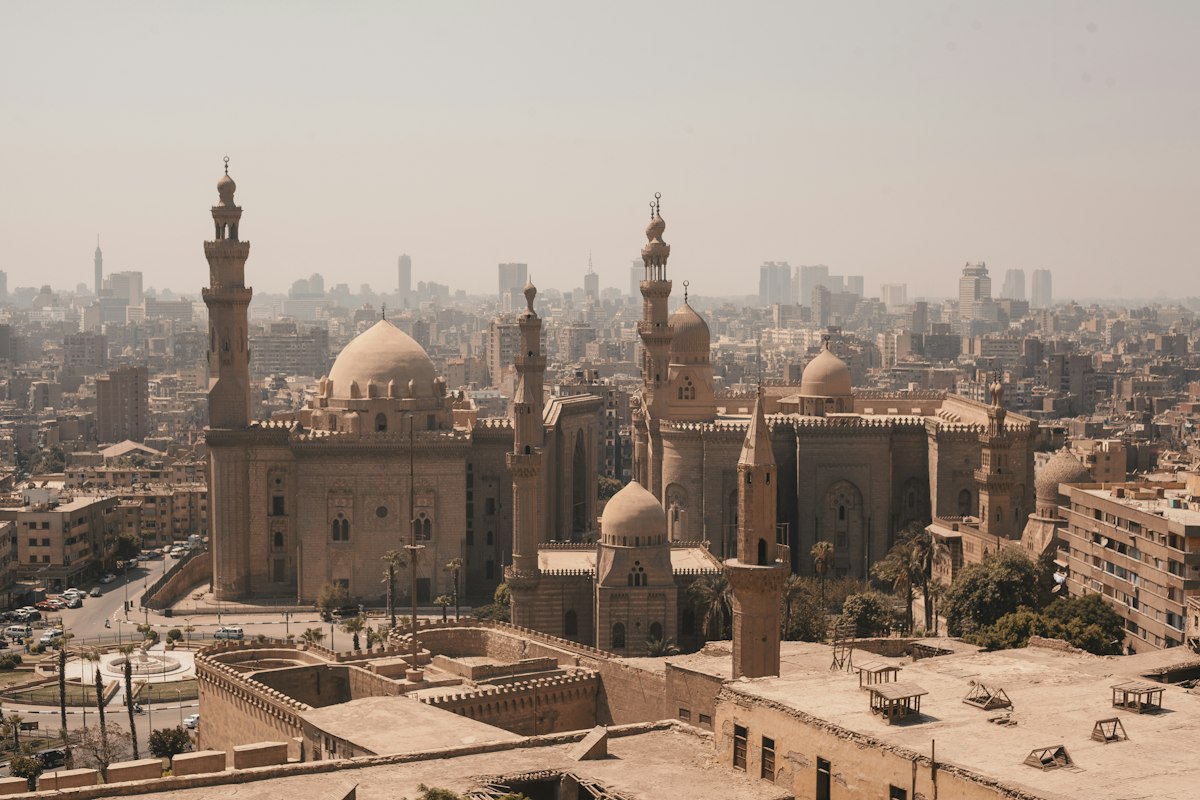
1. Cairo & Giza: The Pyramids & The Grand Egyptian Museum (GEM)
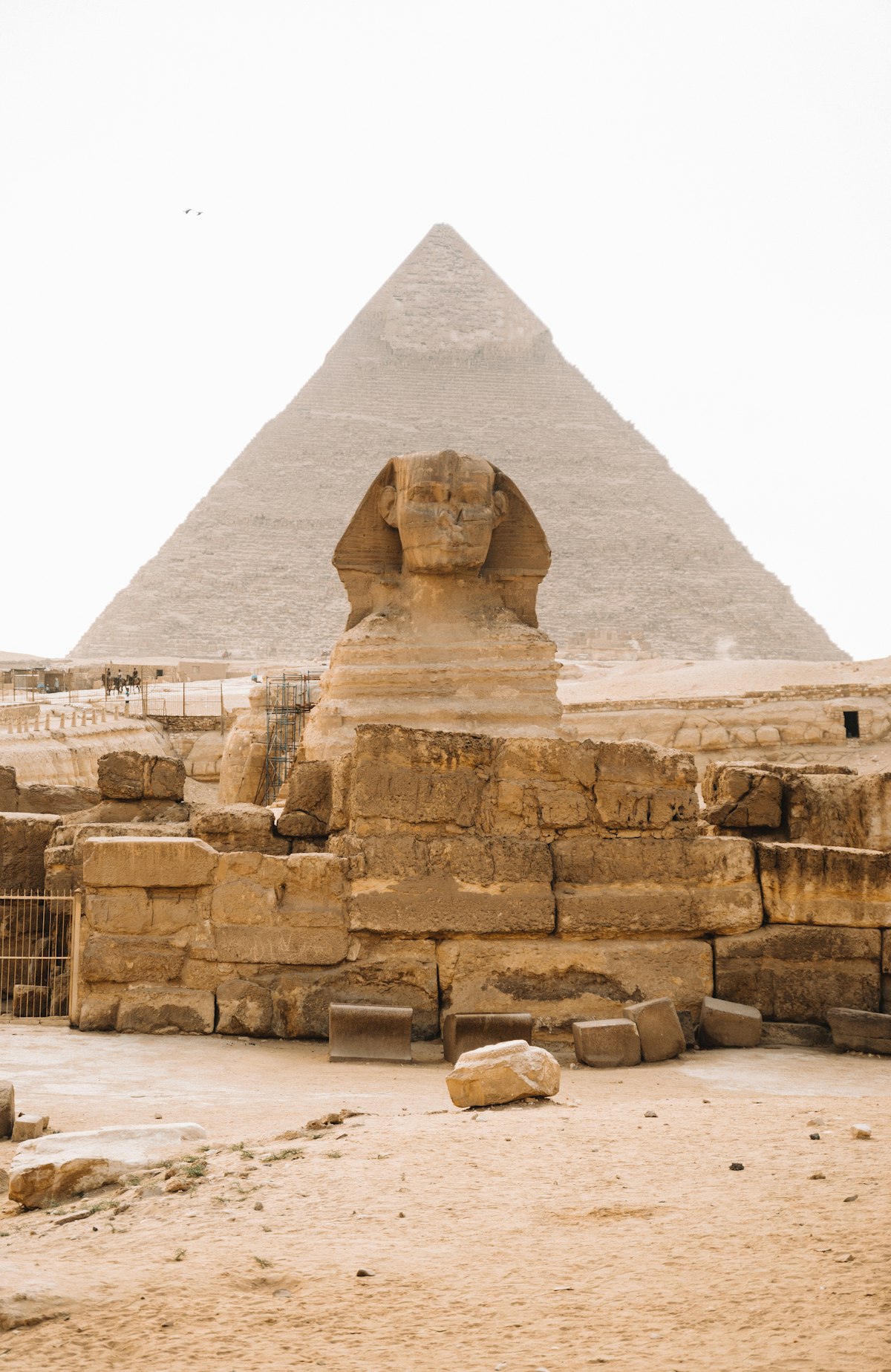
Why visit: The epicenter of ancient history. Marvel at the Pyramids of Cheops, Khafre, and Menkaure alongside the enigmatic Great Sphinx. In 2026, the newly inaugurated Grand Egyptian Museum (GEM) is a mandatory visit.
Top Attractions: Giza Plateau, Grand Egyptian Museum, Khan el-Khalili bazaar, National Museum of Egyptian Civilization (NMEC - Royal Mummies hall).
Recommended Stay: 3 days.
Practical Tip: Book a hotel in Giza with a direct rooftop view of the pyramids (such as Giza Pyramids View Inn or Marriott Mena House). Waking up to the pyramids outside your window is pure magic.
2. Luxor: The World's Greatest Open-Air Museum
Why visit: Ancient Thebes holds one-third of the world's ancient monuments. Divided by the Nile River into the East Bank (temples of the living: Karnak and Luxor Temple) and the West Bank (tombs of the dead).
Top Attractions: Valley of the Kings (King Tut's tomb and Seti I), Temple of Hatshepsut, Karnak Temple (the Hypostyle Hall with 134 towering stone pillars), Sunrise Hot Air Balloon flight.
Recommended Stay: 3 to 4 days (or part of a Nile cruise).
Practical Tip: For the West Bank, start your tour at 6:00 AM. By 10:00 AM, the desert sun is blazing and massive bus tour groups arrive.
3. Aswan & Abu Simbel: Nubian Culture & Colossal Temples
Why visit: The Nile River is at its most picturesque in Aswan, dotted with granite islands, felucca sailboats, and colorful Nubian villages. Aswan serves as the base for visiting Abu Simbel, the jaw-dropping rock-cut temples of Ramses II and Queen Nefertari.
Top Attractions: Abu Simbel Temples, Philae Temple (dedicated to the goddess Isis), Nubian Village on Elephantine Island, Unfinished Obelisk.
Recommended Stay: 2 to 3 days.
Practical Tip: You can reach Abu Simbel via a 3.5-hour shared minivan excursion across the desert or a short 45-minute domestic flight from Aswan Airport.
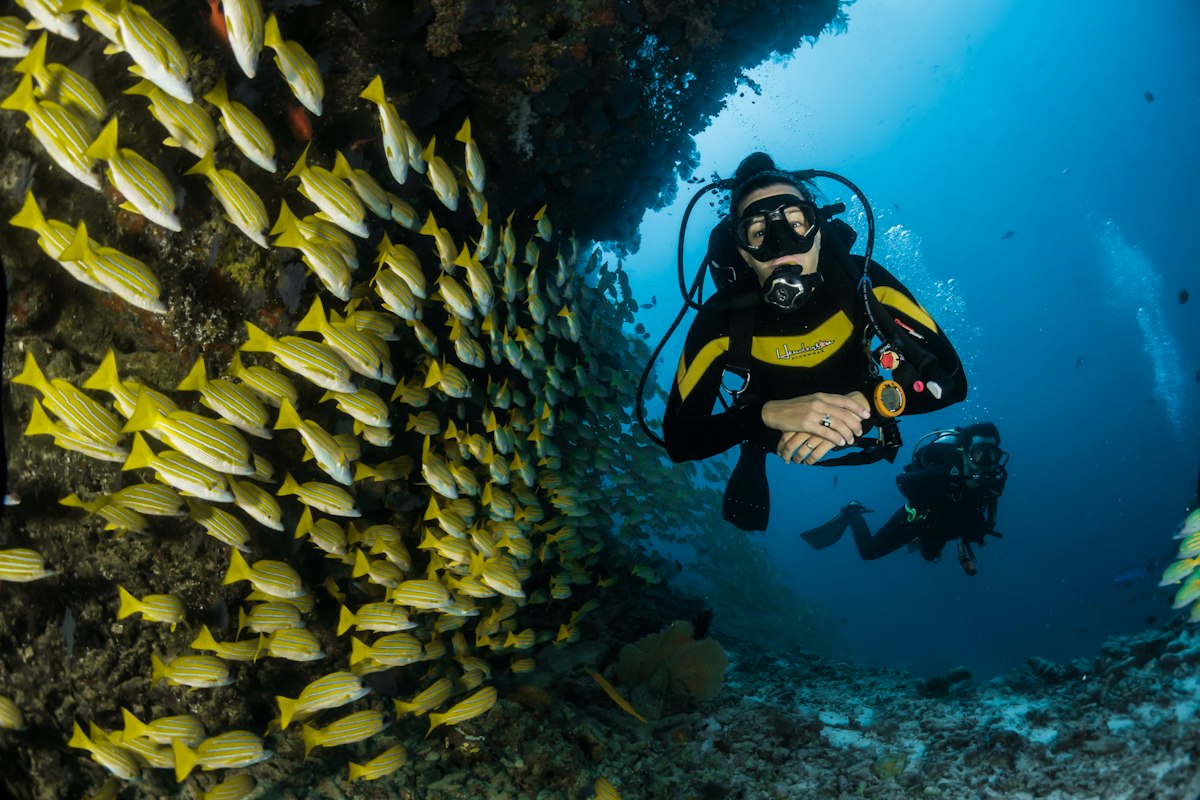
4. The Red Sea: Hurghada & Dahab
Why visit: After dusty days in the desert temples, the Red Sea offers crystalline turquoise waters, world-class coral reefs, and vibrant marine life (dolphins, sea turtles, and rays). Dahab is famous for bohemian vibes and the Blue Hole, while Hurghada and El Gouna offer luxury beach resorts.
Top Attractions: Scuba diving and snorkeling, kite surfing, quad biking in the Sinai desert, relaxing at private beach clubs.
Recommended Stay: 3 to 4 days.
Practical Tip: High-speed shuttle buses and domestic flights easily connect Luxor to Hurghada in just 4 hours, making it the perfect relaxing finale to an ancient history tour.
---
7 Egyptian Dishes You Must Try
Egyptian food is hearty, comforting, and heavily inspired by legumes, fresh herbs, aromatic spices, and flatbreads (*eish baladi*).
- Koshary: Egypt’s national street food dish. A delicious carbohydrate explosion of rice, macaroni, vermicelli, lentils, and chickpeas, topped with crispy fried onions and smothered in spicy tomato and garlic-vinegar sauce.
- Taameya (Egyptian Falafel): Unlike Levantine falafel made with chickpeas, Egyptian taameya is made from crushed dried fava beans, coriander, and fresh leeks, resulting in a lighter, emerald-green interior with a crunchy sesame crust.
- Ful Medames: Slow-cooked fava beans mashed with olive oil, garlic, lemon juice, and cumin. The quintessential Egyptian breakfast eaten with warm pita bread.
- Shawarma: Thinly shaved spiced beef or chicken roasted on a vertical spit, rolled in flatbread with tahini sauce, pickled turnips, and parsley.
- Mahshi: Tender vine leaves, zucchini, eggplants, or bell peppers stuffed with a flavorful mix of spiced rice, herbs, and tomatoes.
- Molokhia: A silky, aromatic green soup made from minced jute leaves simmered in garlic, coriander, and rich chicken or rabbit broth, served over rice.
- Om Ali: Egypt’s traditional dessert—a warm bread pudding made with flaky puff pastry, sweetened hot milk, cream, coconut flakes, raisins, and toasted pistachios.
---
How to Get Around Egypt in 2026
| Transport Mode | Best For | Speed & Comfort | Approximate Cost |
|---|---|---|---|
| Domestic Flights (EgyptAir, Air Cairo) | Cairo ↔ Luxor ↔ Aswan ↔ Hurghada | Fast (1 hr), AC, highly reliable | $50 – $110 USD one-way |
| Nile River Cruiser | Luxor to Aswan (4 nights) or Aswan to Luxor (3 nights) | All-inclusive floating hotel, scenic, relaxed | $100 – $250/night (includes meals & tours) |
| Uber / Careem | Cairo, Giza, and Alexandria | Safe, metered, avoids taxi haggling | $2 – $8 per ride |
| First-Class / Sleeper Train | Cairo to Luxor / Aswan | Overnight travel, private sleeping compartments | $40 – $90 USD |
| Go Bus (Private Intercity Coach) | Cairo to Hurghada / Alexandria / Dahab | Modern, clean, punctual AC buses | $8 – $18 USD |
---
Suggested 10-Day Classic Egypt Itinerary
This classic route covers the best of Cairo, a 4-night Nile cruise, Abu Simbel, and the Red Sea.
- Day 1: Arrive in Cairo. Transfer to your Giza hotel. Enjoy a sunset drink with views of the Pyramids.
- Day 2: Giza Plateau & Grand Egyptian Museum (GEM). Tour the Pyramids of Giza and the Sphinx in the morning. Spend the afternoon exploring the Grand Egyptian Museum.
- Day 3: Cairo to Luxor (East Bank). Morning flight to Luxor. Check into your Nile cruise boat. Visit the majestic Karnak Temple and Luxor Temple illuminated at night.
- Day 4: Luxor (West Bank). Sunrise hot air balloon ride over the Nile. Explore the Valley of the Kings (King Tut's tomb) and Hatshepsut Temple. Begin sailing upriver toward Edfu.
- Day 5: Edfu & Kom Ombo Temples. Visit the exceptionally preserved Temple of Horus at Edfu by horse carriage. Sail to Kom Ombo to explore the unique double-temple dedicated to the crocodile god Sobek.
- Day 6: Aswan & Philae Temple. Arrive in Aswan. Take a boat to the island temple of Philae. Afternoon felucca sailboat ride around Elephantine Island.
- Day 7: Abu Simbel Excursion & Red Sea. Early morning excursion to the colossal Abu Simbel temples. Return to Aswan and take private transport or flight to Hurghada on the Red Sea.
- Day 8: Red Sea (Hurghada / El Gouna). Full day of scuba diving, snorkeling on coral reefs, or relaxing on the beach.
- Day 9: Red Sea to Cairo. Morning beach relaxation. Afternoon flight back to Cairo. Explore the bustling Khan el-Khalili bazaar for souvenirs and mint tea at El Fishawy cafe.
- Day 10: Depart. Transfer to Cairo International Airport (CAI) for your flight home.
---
Egypt Visa & Entry Requirements (2026 Update)
- e-Visa & Visa on Arrival: Citizens of over 70 countries—including the United States, Canada, the United Kingdom, the European Union, Australia, and New Zealand—can obtain an e-Visa online prior to departure via the official portal (`visa2egypt.gov.eg`) or buy a Visa on Arrival at the airport bank kiosk for $25 USD in exact cash.
- Passport Validity: Your passport must be valid for at least 6 months from the date of arrival.
- Currency Regulations: You must declare amounts exceeding $10,000 USD or equivalent upon entry.
---
Safety, Tipping (Baksheesh) & Cultural Etiquette
- Baksheesh Culture: Tipping is not merely a bonus in Egypt; it is an economic way of life. Always carry a thick wad of 10, 20, and 50 EGP notes. Tip 10–20 EGP for bathroom attendants, 20–50 EGP for luggage porters, and 10%–15% in sit-down restaurants.
- Navigating Touts: At the Pyramids and temple gates, you will be approached by camel handlers, souvenir sellers, and unofficial "guides." A polite but firm *"La, Shukran"* (No, thank you) paired with maintaining eye contact and walking past will keep you hassle-free.
- Dress Code for Temples & Mosques: Modesty is valued. When visiting active mosques (like the Mosque of Muhammad Ali), women must cover hair, shoulders, and knees. In tourist temples, loose, breathable cotton clothing that covers shoulders is recommended for sun protection and cultural respect.
- Use Uber in Cairo: Avoid arguing with street taxi drivers over broken meters. Uber is cheap, trackable, and eliminates all pricing haggling in Cairo.
---
FAQ
1. Is Egypt safe for tourists in 2026?
Yes. Egypt's major tourist corridors (Cairo, Giza, Luxor, Aswan, Nile River, and Red Sea resorts) are heavily secured by specialized Tourism Police. Millions of international visitors travel across Egypt safely every year. Common common-sense precautions against petty theft in crowded markets apply.
2. How do I get tickets for the Grand Egyptian Museum (GEM)?
In 2026, GEM tickets can be booked online via the official museum portal or purchased at the on-site ticketing building. Guided tours and audio guides are available in English and major languages.
3. Is a Nile cruise worth it?
Absolutely. A Nile cruise between Luxor and Aswan is the quintessential Egyptian experience. It combines comfortable accommodation, all-inclusive dining, and effortless transport directly to temple docks along the riverbanks.
4. Can I drink tap water in Egypt?
No. Tap water in Egypt is not safe for international travelers to drink. Use bottled water for drinking and brushing teeth. Reputable hotels and cruise ships provide complimentary bottled water daily.
5. Should I pay in US Dollars or Egyptian Pounds?
Pay for official monuments, street food, local markets, and taxis in Egyptian Pounds (EGP). Major hotels, international tour operators, and Nile cruise extras often accept or quote in USD or EUR.
6. Do I need to hire a licensed Egyptologist guide?
Hiring a private licensed Egyptologist guide (or taking guided excursions included in your Nile cruise) transforms the experience. Without a guide to decipher hieroglyphics and explain historical context, ancient temples can quickly look like repetitive piles of stones.
7. Can I fly a drone in Egypt?
No. Bringing or flying drones in Egypt without specialized Ministry of Defense permits is strictly illegal. Drones will be confiscated at airport customs and may lead to legal penalties.
---
James Harrow
Verified ExpertTravel Writer & Expert
Sheraz is a passionate world traveler and the founder of Travel Guides Finder. With years of experience exploring diverse cultures, tasting authentic cuisines, and navigating complex visa requirements, he curates expert guides to help you travel smarter and safer.


