

Spanning an entire continent between the Indian and Pacific Oceans, Australia is a land of staggering scale, ancient geological wonders, and laid-back sun-kissed culture. Where else can you surf legendary Pacific ocean swells at dawn, snorkel through vibrant coral gardens in the world's largest living organism, and watch the setting sun ignite the sacred crimson sandstone monolith of Uluru in the silent desert heart of the continent?
In 2026, traveling to Australia is more accessible and seamless than ever. Modernized electronic visa processing (ETA and eVisitor apps), expanding low-cost domestic flight networks, and a flourishing campervan infrastructure make it straightforward to explore. While Australia has a reputation for high living costs and vast driving distances, smart planning, seasonal awareness, and self-drive road trips allow you to experience world-class natural beauty on a sensible budget.
Whether you are exploring the hidden laneways of Melbourne, road-tripping past the Twelve Apostles on the Great Ocean Road, or swimming alongside wild sea turtles on the Great Barrier Reef, this comprehensive 2026 guide gives you exact costs, seasonal strategies, and day-by-day itineraries.
## Australia Travel at a Glance
**Best trip length:** 2 to 3 weeks (essential to cover Sydney, Melbourne, the Reef, and the Red Centre without rushing).
**Best time to visit:** September to November (Spring) & March to May (Autumn) for comfortable weather nationwide; May to October for the tropical North and Great Barrier Reef.
**Currency:** Australian Dollar (AUD / A$). (Roughly $1 USD ≈ 1.52 AUD / €1 EUR ≈ 1.65 AUD).
**Language:** English (Universal). Spoken with a friendly, distinctive Australian accent and colorful local slang.
**Main airports:** Sydney Kingsford Smith (SYD), Melbourne Tullamarine (MEL), Brisbane (BNE), Perth (PER), Cairns (CNS).
**Typical daily budget:** $65–$100 USD (Backpacker / Campervan) / $170–$320 USD (Mid-Range Car & Hotels) / $550–$1,400+ USD (Luxury Resorts & Tours).
**Best regions:** New South Wales (Sydney & Blue Mountains), Queensland (Great Barrier Reef & Whitsundays), Victoria (Melbourne & Great Ocean Road), Northern Territory (Uluru & Red Centre).
**Best for:** Coastal road trips, scuba diving, unique endemic wildlife (kangaroos, koalas, wombats), Aboriginal culture, cafe culture.
---
Australia Travel Facts
| Travel Factor | Information |
|---|---|
| Country | Commonwealth of Australia |
| National Capital | Canberra (Largest cities: Sydney, Melbourne, Brisbane, Perth) |
| Currency | Australian Dollar (AUD / A$) |
| Time Zone | Multiple zones from UTC +8 (Western) to UTC +10 (Eastern) |
| Power Outlets | Type I (Three flat pins in a triangular pattern, 230V) |
| Recommended Trip Length | 14 to 21 days |
| Tap Water | 100% pure and safe to drink nationwide (Bring a reusable bottle) |
---
How Much Does a Trip to Australia Cost in 2026?
Australia has a high standard of living, but favorable exchange rates against the US Dollar and Euro make eating out, national parks, and road trips far more affordable than many travelers expect.
*(All estimates in USD, based on $1 USD ≈ 1.50 AUD exchange rate.)*
Budget Traveler
Stays in social backpacker hostels or rents a budget campervan that doubles as lodging and transport ($25–$45/night for dorm beds or $15–$25/night for holiday park campsites). Cooks meals using camp kitchens or buys groceries at *Woolworths* and *Coles* ($12–$20/day). Takes public coastal buses, enjoys free public gas BBQs in beach parks, and hikes national parks (which are mostly free to enter).
Mid-Range Traveler
Stays in modern boutique hotels, serviced apartments, or coastal beach cabins ($110–$200/night). Dines at trendy brunch cafes and seaside pub bistros enjoying fresh barramundi, burgers, and craft beers ($25–$50 per meal). Rents a standard automatic sedan or SUV for road trips, flies domestic routes (Jetstar, Virgin Australia), and books 1–2 premium excursions (e.g., outer Great Barrier Reef catamaran tour).
Luxury Traveler
Stays in world-renowned five-star luxury lodges (such as Longitude 131° overlooking Uluru, Qualia on Hamilton Island, or Crown Towers Sydney at $700–$2,200+/night). Dines at award-winning waterfront restaurants (Quay, Bennelong), takes private helicopter scenic flights over Heart Reef, and books private Aboriginal guided outback safaris.
| Expense (Per Person / Day) | Budget (Campervan / Hostel) | Mid-Range (Hotels & Car) | Luxury (Five-Star) |
|---|---|---|---|
| Accommodation | $25 – $45 | $110 – $200 | $400 – $1,200+ |
| Food & Dining | $15 – $28 | $45 – $85 | $140 – $350+ |
| Domestic Flights & Transit (Averaged) | $12 – $25 | $35 – $70 | $100 – $250+ |
| Excursions & Reef Tours | $15 – $35 | $45 – $95 | $150 – $450+ |
| Incidentals & Park Fees | $5 – $10 | $10 – $20 | $30 – $60+ |
| Total Daily Cost | $72 – $143 | $245 – $470 | $820 – $2,310+ |
---
Best Time to Visit Australia in 2026
Because Australia is in the Southern Hemisphere, its seasons are reversed compared to North America and Europe. Furthermore, its massive landmass spans tropical, desert, and temperate zones.
| Season | Months | Climate & Conditions | Best For |
|---|---|---|---|
| Spring (Shoulder) | September – November | Mild sunny weather (20–25°C), blooming wildflowers, low rainfall, comfortable travel nationwide. | Sydney, Melbourne, Great Ocean Road, wildlife |
| Summer (Peak South) | December – February | Hot and sunny in the South (26–35°C), lively beach culture, festive holiday crowds. Wet tropical monsoon season in the North (Cairns/Darwin). | Sydney beaches, Melbourne, Tasmania hiking |
| Autumn (Shoulder) | March – May | Crisp sunny days (18–24°C), golden autumn foliage in Victoria, calm ocean conditions. | Food & wine festivals, Great Barrier Reef |
| Winter (Dry North) | June – August | Mild in the South (12–17°C, snow in Snowy Mountains). Warm, dry, and sunny in the Tropical North (25–29°C, no stingers). | Cairns, Great Barrier Reef, Uluru & Outback |
---
4 Best Places to Visit in Australia
1. Sydney: Coastal Glamour & Iconic Landmarks
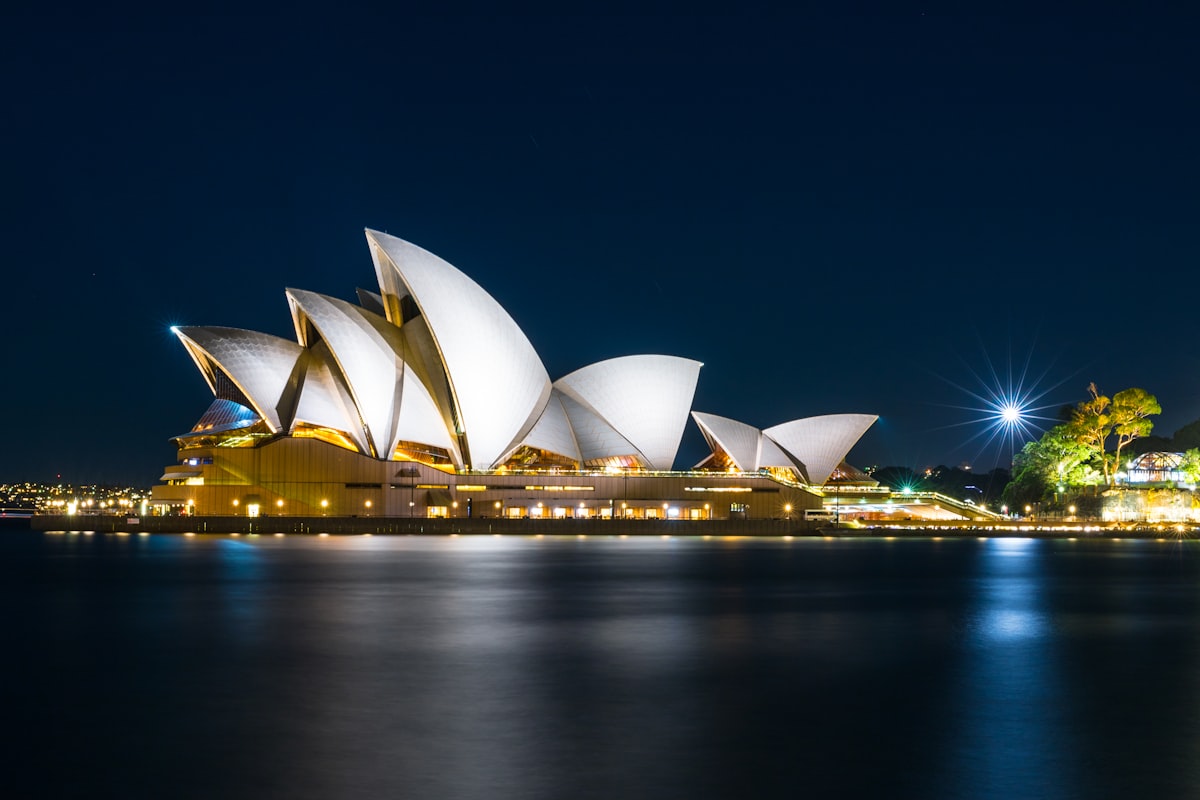
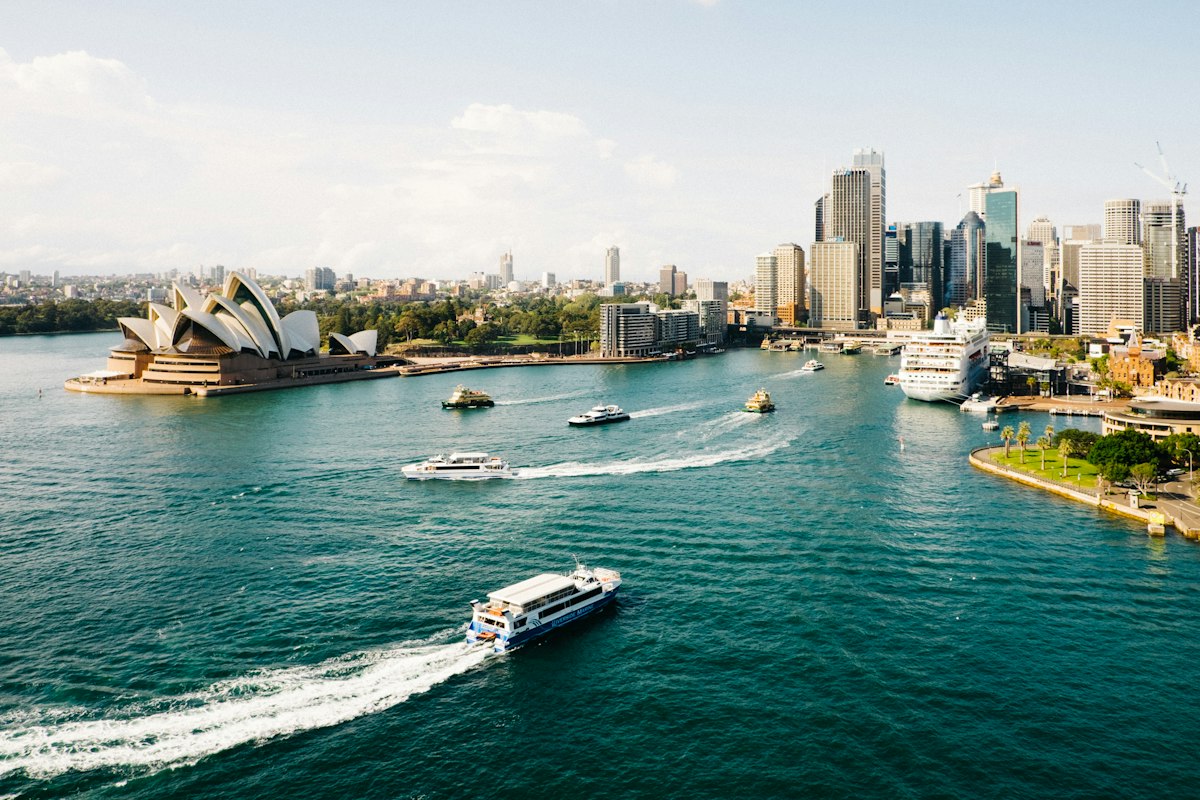
Why visit: Blessed with one of the most stunning natural harbours on Earth, Sydney effortlessly combines glamorous urban living with world-famous golden surf beaches.
Top Attractions: Sydney Opera House, Sydney Harbour Bridge (walk across for free or book the BridgeClimb), Bondi to Coogee coastal walk (6 km scenic cliff trail), ferry ride to Manly Beach, historic The Rocks neighborhood.
Recommended Stay: 4 to 5 days.
Practical Tip: Never pay for an expensive harbour cruise tour. Tap on with your contactless credit card and take the public F1 ferry from Circular Quay to Manly ($6 USD). It offers the exact same million-dollar views of the Opera House and Harbour Bridge at a tiny fraction of the cost.
2. The Great Barrier Reef & The Whitsundays
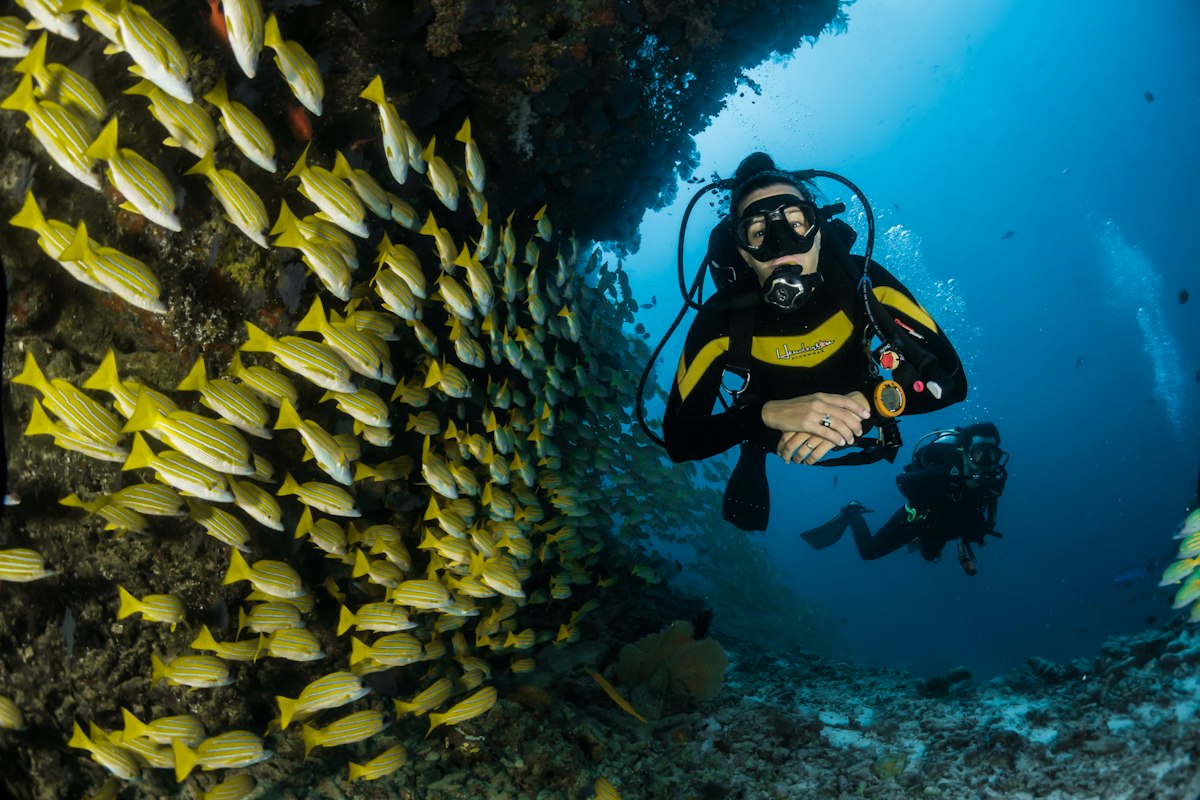
Why visit: The planet's greatest natural masterpiece. Spanning over 2,300 kilometers along the Queensland coast, this UNESCO World Heritage marine wonderland is home to thousands of vibrant coral species, sea turtles, manta rays, reef sharks, and tropical fish.
Top Attractions: Outer reef scuba diving and snorkeling from Cairns or Port Douglas, flying over Heart Reef, sailing the Whitsunday Islands to Whitehaven Beach (famed for pure 98% white silica sand).
Recommended Stay: 4 to 5 days.
Practical Tip: Book an excursion that takes you to the Outer Barrier Reef (such as Agincourt or Moore Reef) on a high-speed catamaran rather than the inner islands. The outer reef has significantly healthier, clearer, and more colorful living coral formations.
3. Melbourne & The Great Ocean Road
Why visit: Melbourne is Australia's cultural, sporting, and culinary capital, famous for graffitied bluestone laneways, world-leading specialty coffee roasters, and European flair. It is also the starting gateway to the Great Ocean Road, one of the world's most dramatic coastal road trips.
Top Attractions: Melbourne laneways & coffee culture, Royal Botanic Gardens, Twelve Apostles limestone sea stacks, Loch Ard Gorge, spotting wild koalas in the eucalyptus trees of Kennett River.
Recommended Stay: 4 to 5 days (including a 2-day road trip).
Practical Tip: Don't do the Great Ocean Road as a rushed 12-hour day bus tour. Rent a car and stay overnight in Apollo Bay or Port Campbell. You will arrive at the Twelve Apostles for sunset and sunrise completely free of tour bus crowds.
4. The Red Centre: Uluru-Kata Tjuta National Park
Why visit: The spiritual and cultural heart of Australia. Rising 348 meters above the flat desert plains, the ancient red sandstone monolith of Uluru (*Ayers Rock*) is sacred to the local Anangu Aboriginal people and shifts dramatically from terracotta to burning crimson at dawn and dusk.
Top Attractions: Uluru base walk (10 km loop), Uluru sunset and sunrise viewing areas, Valley of the Winds hike through the colossal domes of Kata Tjuta (*The Olgas*), Field of Light art installation.
Recommended Stay: 2 to 3 days.
Practical Tip: Climbing Uluru has been permanently prohibited since 2019 out of cultural respect for the Anangu traditional owners. Instead, join a ranger-led Mala Walk around the base to discover ancient rock art and sacred creation stories.
---
6 Australian Foods & Drinks You Must Try
Australian culinary culture is an exciting fusion of fresh local seafood, multicultural Asian influences, farm-to-table produce, and world-class specialty coffee.
- Flat White & Specialty Coffee: Melbourne and Sydney have the most refined coffee culture on Earth. Order a "flat white"—expertly pulled double espresso topped with velvety, micro-steamed whole milk. Never order from international coffee chains; independent Australian cafes reign supreme.
- Meat Pie with "Sauce": The ultimate Aussie staple. Flaky puff pastry crust stuffed with slow-cooked minced beef and rich savoury gravy, topped with tomato sauce (ketchup). Grab one at a local country bakery.
- Barramundi: A prized native Australian white fish found in northern estuaries. Pan-seared with crispy skin and served with lemon-butter sauce and sea salt.
- Chicken Parmigiana ("The Parmi"): The king of Australian pub food. A giant breaded chicken schnitzel smothered in rich tomato marinara sauce, melted mozzarella cheese, and ham, served with hot chips (fries) and a crisp side salad.
- Tim Tams: Australia’s beloved chocolate biscuit. Do the "Tim Tam Slam": bite off opposite diagonal corners of the biscuit, use it as a straw to sip hot coffee or tea, and eat the melting chocolate bomb before it collapses!
- Lamingtons & Pavlova: Lamingtons are fluffy squares of sponge cake dipped in chocolate icing and coated in desiccated coconut. Pavlova is a crisp meringue dessert with a soft marshmallow center, piled high with fresh whipped cream, passionfruit, and strawberries.
---
How to Get Around Australia in 2026
Australia is roughly the same geographic size as the continental United States. Planning your transport strategy is vital to avoid spending your entire holiday driving.
| Transport Mode | Best For | Speed & Notes | Typical Cost |
|---|---|---|---|
| Domestic Flights (Qantas, Virgin, Jetstar) | Long intercity hops (e.g., Sydney ↔ Cairns or Melbourne ↔ Uluru) | Fast (1.5 to 3.5 hrs), essential for covering vast distances | $60 – $160 USD one-way |
| Campervan / Motorhome | East Coast (Sydney to Cairns) or Great Ocean Road | Combines vehicle and bed; freedom to sleep at beach parks | $65 – $140/day (Plus fuel) |
| Rental Car (Automatic) | Regional exploration (Great Ocean Road, Blue Mountains) | Driving on the left; well-maintained highways | $30 – $60/day |
| Public Transit (Opal / Myki cards) | Sydney & Melbourne urban travel | Trains, ferries, light rail, and trams; tap with credit card | $5 – $12 USD daily cap |
---
Suggested 14-Day Classic Australia Itinerary
This classic first-timer route covers Sydney, Melbourne, the Great Ocean Road, and the tropical Great Barrier Reef.
- Day 1: Arrive in Sydney. Transfer to your hotel near Circular Quay. Walk past the Sydney Opera House and enjoy dinner in The Rocks.
- Day 2: Sydney Coastal Highlights. Walk the scenic 6 km cliff path from Bondi to Coogee. Take the public ferry to Manly Beach for sunset.
- Day 3: Sydney to Blue Mountains. Day trip by scenic train to Katoomba. Explore the Three Sisters rock formation and hike through ancient temperate rainforests.
- Day 4: Fly Sydney to Melbourne. 1.5-hour domestic flight. Check into your hotel. Explore the famous street-art laneways (Hosier Lane) and enjoy Melbourne specialty coffee.
- Day 5: Melbourne Culture & Dining. Visit Queen Victoria Market, explore the Royal Botanic Gardens, and dine in Southbank along the Yarra River.
- Day 6: Great Ocean Road (Day 1). Pick up your rental car. Drive past Torquay surf beaches, spot wild koalas at Kennett River, and stay overnight in Apollo Bay.
- Day 7: Great Ocean Road (Day 2). Explore the Twelve Apostles and Loch Ard Gorge before the tour buses arrive. Return rental car to Melbourne Airport.
- Day 8: Fly Melbourne to Cairns. 3.5-hour flight to tropical North Queensland. Transfer to your resort in Cairns or picturesque Port Douglas.
- Day 9: Great Barrier Reef Diving & Snorkeling. Full-day luxury catamaran cruise to the Outer Barrier Reef. Snorkel alongside sea turtles and giant clams.
- Day 10: Daintree Rainforest & Cape Tribulation. Explore the world's oldest living tropical rainforest (180 million years old). Spot wild crocodiles on a Daintree River boat cruise.
- Day 11: Fly Cairns to Uluru (The Red Centre). Land at Ayers Rock Airport (AYQ). Watch the sunset transform Uluru from ochre to fiery crimson.
- Day 12: Uluru & Kata Tjuta. Sunrise walk around the base of Uluru. Afternoon hike through the soaring red domes of the Valley of the Winds in Kata Tjuta.
- Day 13: Uluru to Sydney. Morning visit to the Field of Light. Afternoon flight back to Sydney. Farewell dinner at a waterfront harbour restaurant.
- Day 14: Depart. Fly home from Sydney Kingsford Smith Airport (SYD).
---
Safety, Wildlife Realities & Travel Etiquette
- The Wildlife Myth vs Reality: While Australia is home to venomous snakes, spiders, and saltwater crocodiles, encounters in cities and tourist areas are virtually non-existent. In the Outback, wear closed shoes when hiking in tall grass. In Northern Queensland (Cairns to Darwin), never swim in murky rivers or unpatrolled beaches between November and May due to saltwater crocodiles and marine stingers (*box jellyfish*). Always swim between the red-and-yellow flags on patrolled surf beaches.
- Sun Protection is Mandatory: The ozone layer over the Southern Hemisphere is thinner, meaning the Australian sun burns skin in as little as 12 minutes. Always wear SPF 50+ sunscreen, a wide-brim hat, and sunglasses (*"Slip, Slop, Slap"*).
- Drive on the Left: Australians drive on the left side of the road. On country highways, avoid driving between dusk and dawn when kangaroos and wallabies frequently jump onto the road.
- Tipping is Not Expected: Australia has one of the highest minimum wages in the world. Tipping is never required or expected. Rounding up the bill or leaving 5% to 10% for exceptional fine-dining service is entirely optional.
---
FAQ
1. Do I need a visa to visit Australia in 2026?
Yes. Nearly all international visitors (except New Zealand citizens) must obtain an electronic visa prior to boarding their flight. US, Canadian, and European travelers can apply for the Electronic Travel Authority (ETA) or eVisitor visa using the official Australian Immigration mobile app for just $20 AUD ($13 USD). It is usually approved within minutes.
2. How many weeks do you need for a trip to Australia?
You need at least 2 weeks (14 days) for a first trip. Given the flight times and 14-hour domestic road trips, a 2-week itinerary allows you to see Sydney, Melbourne, and the Great Barrier Reef without extreme fatigue. For a broader trip including Uluru and Western Australia, 3 to 4 weeks is ideal.
3. Is Australia expensive for tourists?
Australia is moderately expensive, on par with the United Kingdom or Canada. However, public transit is cheap, water is free, beaches and national parks have zero entry fees, and using contactless debit cards with zero foreign transaction fees saves money. Daily budgets average $70 to $140 USD for budget travelers and $240 to $450 USD for mid-range comfort.
4. Do I need cash in Australia?
No. Australia is almost completely cashless. Credit and debit cards, Apple Pay, and Google Pay are accepted universally, from urban subway gates to outback gas stations and beach cafes. You do not need to exchange paper Australian dollars.
5. When is the best time to see the Great Barrier Reef?
The best time is during the dry winter and spring season (May to October). During these months, rainfall is minimal, underwater visibility is at its peak, and you avoid the summer marine stinger (jellyfish) season.
6. Are sharks dangerous on Australian beaches?
Shark incidents are exceedingly rare. Millions of Australians swim in the ocean every day. Major beaches in Sydney, the Gold Coast, and Melbourne are monitored by lifeguards, aerial drones, and shark netting. Always swim between the red and yellow flags on patrolled beaches.
7. Can you drive across the Australian Outback alone?
Driving the major paved highways (such as between Alice Springs and Uluru) in a standard rental car is safe and straightforward. If venturing onto remote, unpaved dirt tracks, you need a high-clearance 4x4, spare fuel, satellite communications, and at least 10 liters of drinking water per person.
---
Sarah Mitchell
Verified ExpertTravel Writer & Expert
Sheraz is a passionate world traveler and the founder of Travel Guides Finder. With years of experience exploring diverse cultures, tasting authentic cuisines, and navigating complex visa requirements, he curates expert guides to help you travel smarter and safer.


